
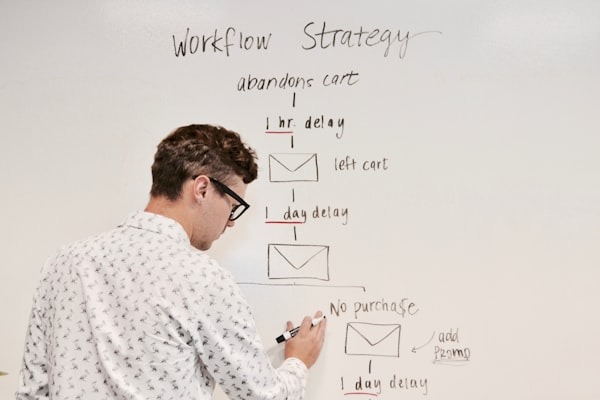
Marketing is crucial to your company’s success. It is the engine that drives growth, attracts new customers, and helps you stand out in a crowded market. When sales slow down or visibility feels off, the pressure to “fix marketing” shows up fast. At that point, many business owners face a familiar question. Should external help come from a consultant or a full-service agency?
Both options are valid, and both can deliver strong results when used well. The challenge lies in knowing which one fits your goals, budget, and working style. This article breaks the decision down in a clear, practical way. It explores how consultants and agencies work, where each shines, and how to choose what supports your business best right now.
Keep reading!
Understanding Marketing Consultants
Marketing consultants usually work as independent experts or as part of carefully curated talent networks. Their role is to bring focused experience into a business without the cost or complexity of building a full internal team. Some step in to shape strategy, others help solve specific problems, and many do a mix of both. What often sets them apart is proximity. These experts tend to work closely with founders and internal teams, learning how the business truly operates.
In practice, this might look like reviewing current marketing efforts, identifying what is slowing growth, and outlining a clearer direction. Some consultants stay involved longer to guide execution, support internal staff, or manage key channels during critical periods. This model works well for businesses that want expert input without committing to permanent hires.
Another important difference is flexibility. Instead of forcing a fixed structure, marketing consultants adapt to how a business operates and what it needs at the moment. For example, Cemoh, a well-known platform in this space, connects businesses with seasoned experts who can step in through different engagement models, including:
- Full-time support for a defined period
- Part-time involvement alongside an internal team
- Short-term help for specific projects or campaigns
This approach keeps the focus on quality, flexibility, and practical outcomes, rather than long-term contracts or polished promises.
A Closer Look at Marketing Agencies
Marketing agencies operate in a more structured and team-based way. Rather than working with a single specialist, businesses gain access to a group of professionals that may include strategists, designers, copywriters, and media buyers. Each role is typically responsible for a specific part of the marketing process, allowing work to move forward across multiple areas at the same time.
Agencies usually work on retainers or clearly defined campaigns. They manage marketing activity from planning through execution, often following established workflows and timelines, carefully tracking the days between dates to ensure each task stays on schedule.
This approach is designed to handle ongoing activity and larger volumes of work, with teams coordinating key elements behind the scenes, such as:
- Creative assets like visuals, copy, and design
- Messaging consistency across campaigns
- Execution across multiple marketing channels
The structure allows agencies to keep work moving in parallel while maintaining productivity across different parts of a campaign. However, because agencies rely on defined processes, communication often runs through account managers who act as the main point of contact.
This creates a more organized and predictable working relationship, though it can also feel less direct. The structure supports consistency and scale, but it may come with less flexibility and higher fixed costs compared to more adaptable models.
A Quick Chart Highlighting The Key Differences
Choosing between a consultant and an agency becomes easier when the differences are clear. At a high level, the contrast often looks like this:
| AREA | CONSULTANTS | AGENCIES |
| Cost structure | Flexible, often hourly or part-time | Fixed retainers or project fees |
| Working style | Direct, embedded, collaborative | Structured, team-based |
| Speed to start | Usually fast | Can involve longer onboarding |
| Control | High visibility and involvement | More outsourced |
| Best for | Strategy, specialist needs, and agility | Scale, production, large campaigns |
Beyond the table, the real difference is how work feels day to day. Consultants adapt quickly and focus deeply. Agencies bring breadth and systems. Neither is better by default. It depends on what the business needs right now.
Choosing the Right Fit for Your Business Goals
The right marketing setup depends on what the business is trying to achieve right now. When the goal is to clarify direction, refine strategy, or address specific gaps, working with a consultant often provides focused support without long-term commitment. On the other hand, businesses running ongoing campaigns or managing multiple channels may benefit from a more structured agency model.
Considering the following questions can help guide the decision:
- Is the primary issue related to strategy, execution, or both?
- How much flexibility is required in terms of cost and time commitment?
- What level of support does the internal team currently need?
When the decision is based on these factors, the right choice becomes clearer. The goal is not to select a better option, but to choose an approach that aligns with current needs and future plans.
Closing Lines
Deciding between a marketing consultant and an agency is not about choosing the “better” option. It is about choosing the right one for your current goals. Consultants offer focus, flexibility, and close collaboration. Agencies provide scale, systems, and broad execution power. When the decision is grounded in clarity rather than pressure, marketing support becomes a growth partner instead of a cost.