
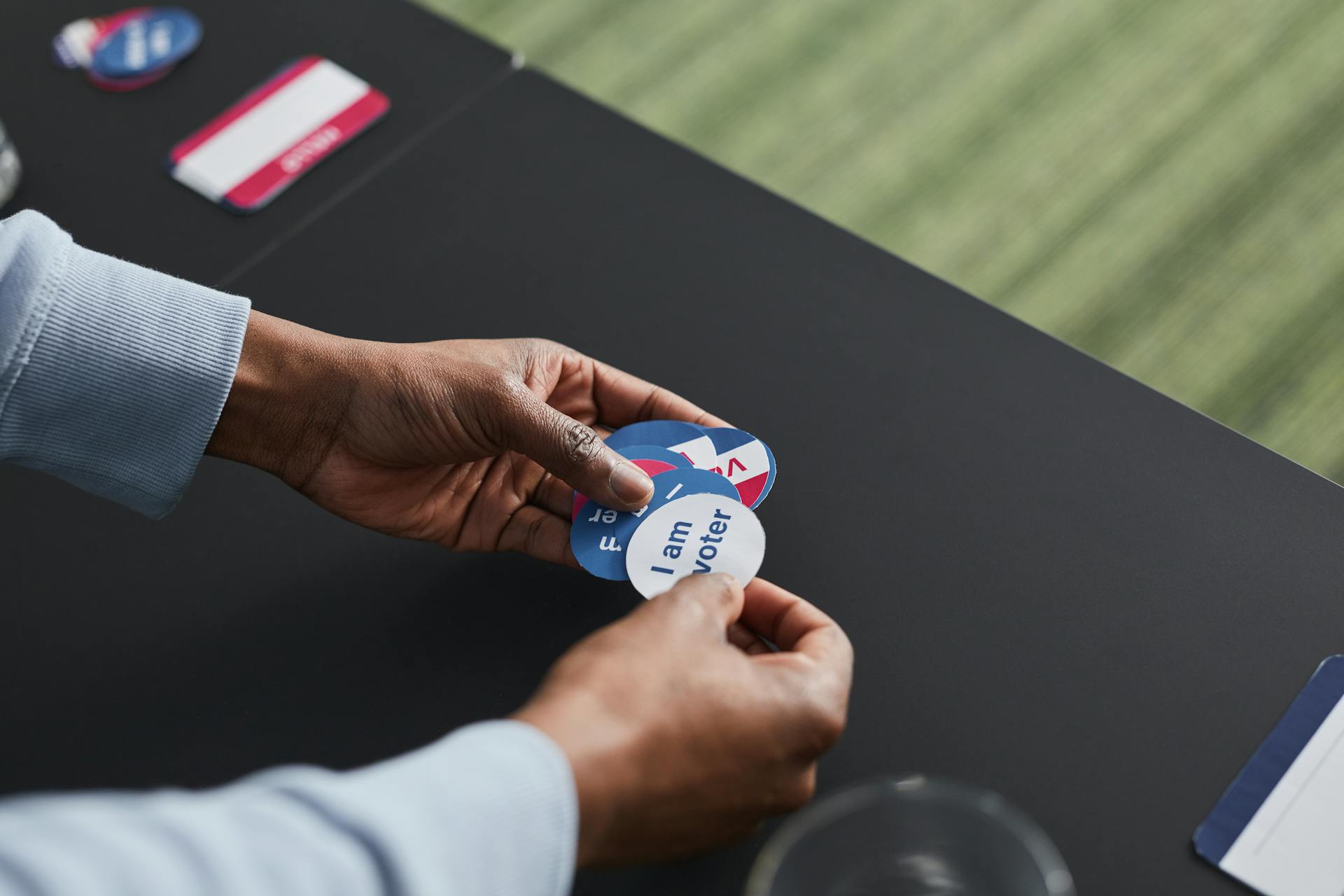
Running for governor requires a strategy to reach voters across the entire state. A candidate needs a clear message and a strong ground game.
Success depends on how well the campaign connects with different groups. Every interaction should build trust and encourage participation in the democratic process.
Establish Measurable Marketing Goals
A campaign needs to know what it wants to achieve before spending any money. Setting specific targets helps the team stay focused on the most effective tasks.
One academic study suggests that candidates should define clear objectives, like increasing website traffic by 20%. Having these metrics allows staff to track progress throughout the election cycle.
These goals provide a roadmap for every social media post and television ad. If a tactic does not help reach the target, the campaign can shift its budget to other areas.
Growing Support Through Personal Networks
Asking supporters to reach out to their own networks is a powerful way to grow the campaign. This method turns every donor into a vocal advocate for the candidate’s platform.
It helps campaigns expand their message through trusted personal connections. Campaigns often track their peer-to-peer fundraising results, since this data shows which networks are most active. This information shows which volunteers are best at recruiting new donors and spreading the word.
A strong network of personal connections can raise more money than a traditional direct mail flyer. It builds a sense of community that lasts through the entire election.
Identify Your Target Voter Base
Understanding who will vote for the candidate is the foundation of a winning campaign. Campaign managers look at data to find where their supporters live.
Messaging should speak directly to the concerns of these specific neighborhoods and communities. This focus prevents wasting resources on groups that are unlikely to change their minds.
Volunteers can use this information to prioritize their door-knocking efforts and phone calls. Speaking to the right people at the right time makes a huge difference.
Leverage Digital Communication Channels
Modern campaigns live on the internet, where most voters get their news. A professional website serves as the central hub for all official information and volunteer sign-ups.
Email lists and social media profiles help the candidate share their vision instantly with thousands of followers. Frequent updates keep the base energized and ready to act on short notice.
The digital space offers ways to test different messages to see what resonates. Constant feedback helps the team refine the candidate’s public image and policy positions.
Track Fundraising Revenue Trends
Monitoring the flow of donations is necessary for maintaining a healthy campaign budget. Recent industry reports show that the top 30 fundraising programs saw a 3.4% increase in revenue during 2025.
This growth indicates that supporters are still willing to contribute to causes they believe in. Staying aware of these national trends helps a gubernatorial team set realistic financial expectations.
Tracking every dollar makes sure that the candidate has enough funds for the final weeks of the race. Proper accounting builds confidence with the public and oversight boards.
Build Donor Loyalty Through Recurring Programs
Securing a single donation is good, but building a base of regular supporters is better. Many political organizations are moving toward models that encourage small monthly contributions.
A report on nonprofit giving found that 57% of donors now participate in recurring gift programs. This steady stream of income allows a campaign to plan for future expenses without constant stress.
Communicating the impact of these gifts keeps donors feeling connected to the campaign’s mission. Regular updates on how the funds are used help maintain high retention rates.
Utilize Data for Campaign Decisions
Numbers tell a story that helps a campaign manager make the right choices. Analysis of past voting patterns can reveal which districts are likely to flip.
Strategic data points include:
- Voter turnout rates from previous midterm elections.
- Average donation amounts per zip code.
- Engagement levels on different video platforms.
Using these figures allows the team to allocate resources where they will have the most impact. Decisions based on facts rather than feelings lead to more efficient operations.
Testing different headlines and images can improve the performance of digital ads. Small adjustments often result in much higher click rates and conversions.
Integrate Traditional Media Outreach
Traditional media still plays a role in reaching older voters. Television ads and radio spots remain effective ways to build broad name recognition.
Local newspapers provide an opportunity for the candidate to explain complex policies in detail. Opinion pieces and letters to the editor can influence the local conversation significantly.
Combining these old-school methods with modern digital tactics creates a comprehensive marketing approach. A visible presence across all media helps the candidate stay top of mind.
Winning a race for governor is a complex task that requires constant attention to detail. Every marketing choice contributes to the perception of the candidate.
By staying focused on clear goals and voter connection, a campaign can navigate the challenges of the trail. The right strategy will lead to a successful outcome on election day.