
Last Updated on August 4, 2026 by Click Raven
If you have ever tried running a creator program off spreadsheets and DMs, you already know the problem. One tab tracks who you contacted. Another tracks who actually posted. A third tracks who still needs to get paid. Somewhere in between, you lose track of what is working and what is just noise.
That is usually the point where a brand starts looking for software to hold all of this together. The good news is there are quite a few solid options built specifically for creator and affiliate marketing, each with a slightly different focus. Some lean into discovery, some lean into payments, and some try to do the whole thing end to end.
Here is a practical look at eight tools worth knowing about, starting with a platform built around handling the entire workflow in one place.
1. Upfluence
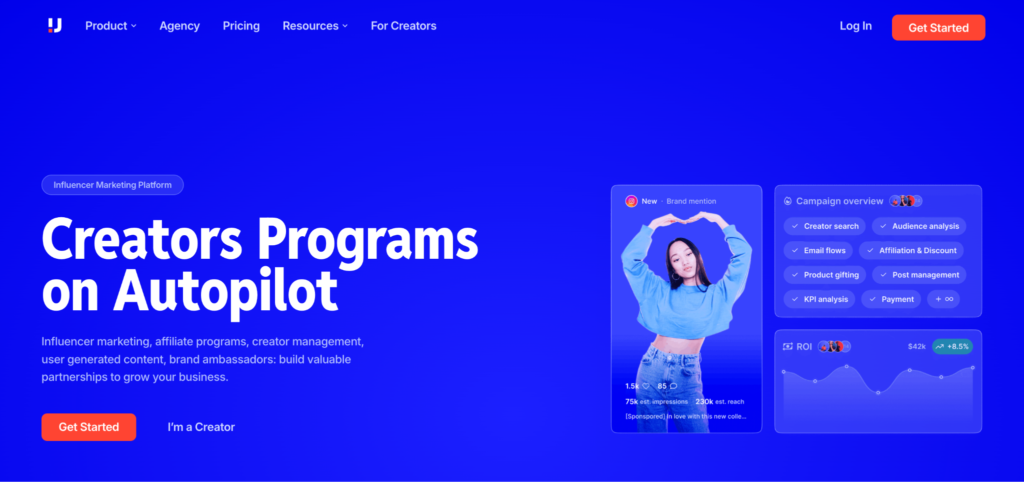
Upfluence is built for brands that want discovery, outreach, campaign management, and payments handled inside a single system instead of stitched together from three or four separate tools. What stands out is how it pulls existing customer data into the mix.
Instead of only searching for creators cold, it can surface people who already buy from your store, which tends to shorten the trust-building step of outreach considerably.
It also leans on an AI layer to help with the busywork side of campaigns, things like shortlisting creators based on audience fit and drafting the first outreach message so you are not starting from a blank inbox every time.
On the payment side, it handles global payouts along with the tax and compliance paperwork that usually slows brands down once a program grows past a handful of creators. For teams running affiliate and Amazon-attribution campaigns alongside traditional sponsored content, having all of that connected to Shopify or WooCommerce data is genuinely useful rather than a nice-to-have.
2. GRIN
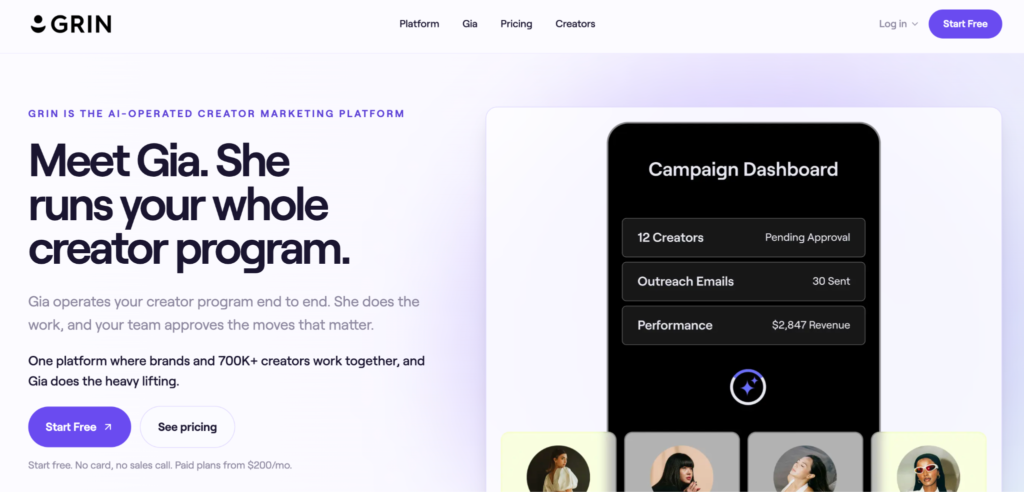
GRIN is often mentioned in the same breath as end-to-end platforms, and for good reason. It focuses heavily on treating creators like an extension of your marketing team rather than a one-off transaction. Product seeding, relationship tracking, and content collection are all built around long-term partnerships instead of single campaigns.
Where GRIN tends to shine is in its ecommerce integrations, giving teams visibility into how much revenue a creator relationship is actually driving over time. Brands with an existing customer base to activate as ambassadors often find this approach fits naturally, though newer or smaller teams sometimes find the setup takes a bit more ramp-up time.
3. Aspire
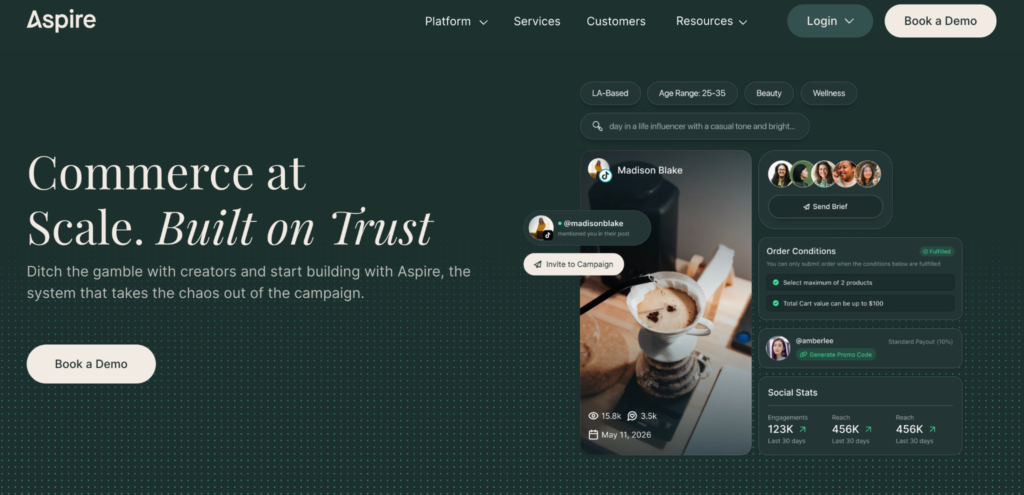
Aspire (formerly AspireIQ) is another platform aimed at brands managing larger creator rosters. It covers discovery, collaboration, and payments, with a particular emphasis on making it easy for creators to apply to campaigns directly rather than only being cold-pitched.
The marketplace-style application flow can be a real time-saver once you have a recognizable brand that creators want to work with.
For newer brands still building that pull, the outbound discovery and search tools carry more of the weight, so it is worth checking how strong that side of the platform feels for your specific niche before committing.
4. CreatorIQ
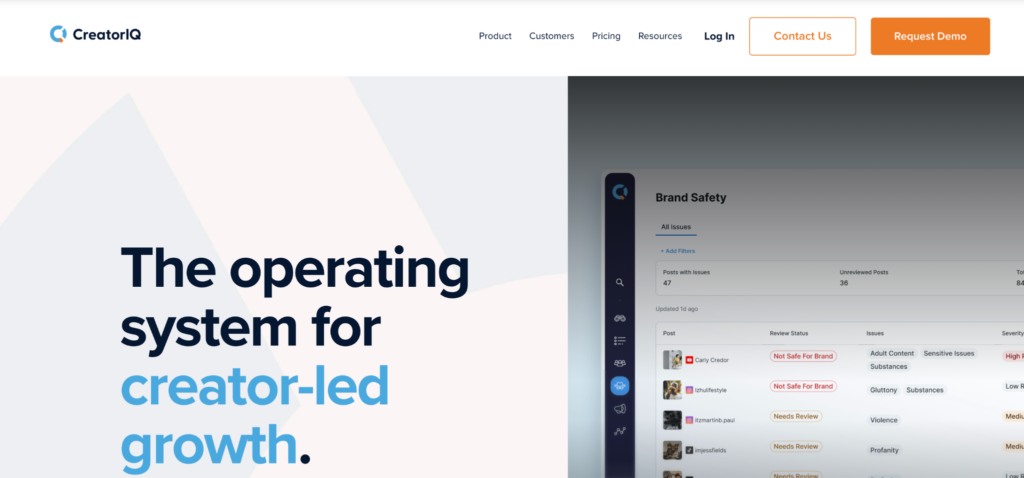
CreatorIQ is generally positioned toward larger organizations and enterprise marketing teams, particularly those running influencer programs across multiple regions or business units. It offers deep reporting, workflow automation, and integrations with broader marketing stacks.
This depth comes with a learning curve, and pricing tends to reflect the enterprise focus. For a smaller DTC brand running a handful of campaigns a quarter, it can feel like more infrastructure than necessary.
For a global team managing dozens of markets and needing consistent reporting across all of them, that same depth becomes the selling point.
5. Modash
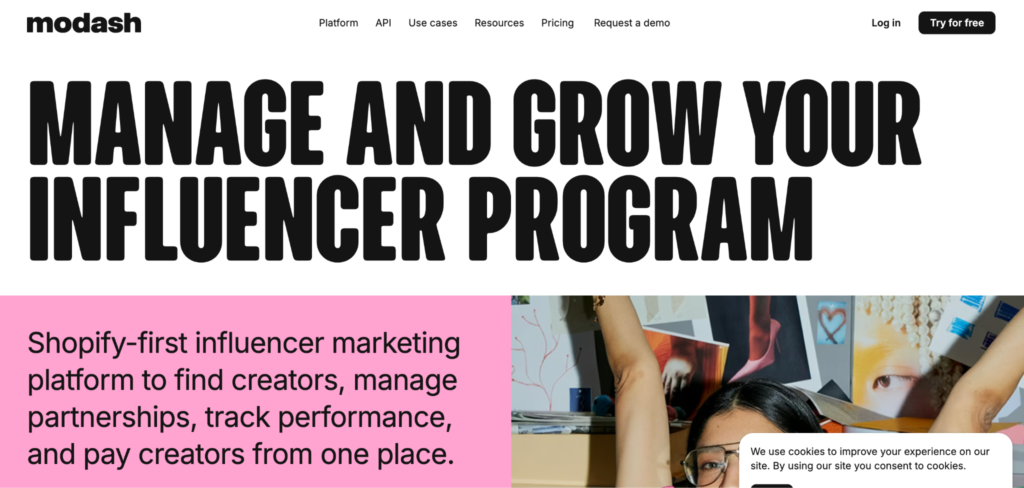
Modash takes a lighter, more search-first approach. It is built around a large creator database with filters for audience demographics, engagement rates, and content categories, making it a solid fit for teams that mostly need to find and vet creators quickly.
It is worth noting that Modash is more of a discovery and analytics tool than a full campaign management suite. Brands that already have their own outreach and payment processes in place, and just need better data on who to reach out to, tend to get the most out of it.
6. Traackr
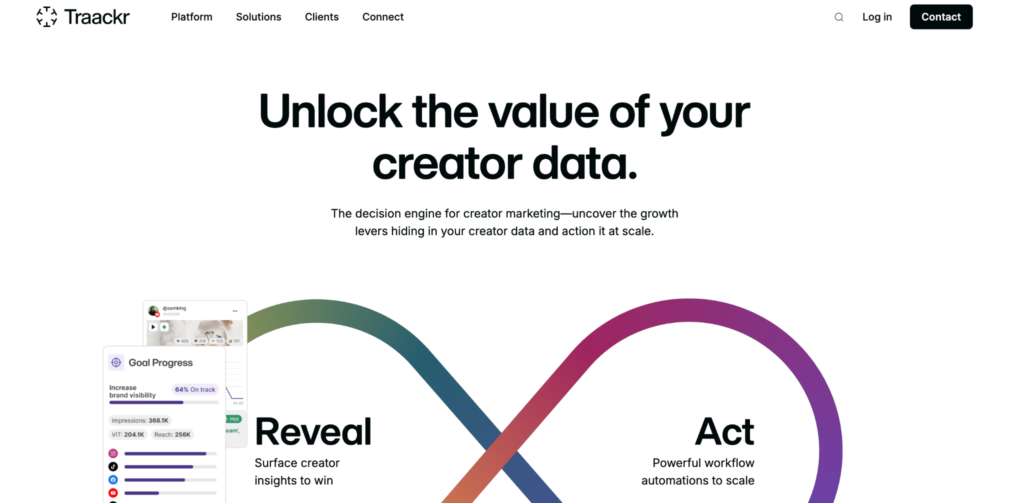
Traackr leans into influencer relationship management with a strong emphasis on measurement.
Brands that care deeply about brand safety, compliance, and long-term reporting across many markets often gravitate here, particularly in beauty, wellness, and other regulated or reputation-sensitive categories.
Its analytics can get quite granular, tracking things like content sentiment and audience overlap across creators. That level of detail is valuable for teams built around data-driven decision-making, though it may be more than a smaller team needs day to day.
7. Heepsy
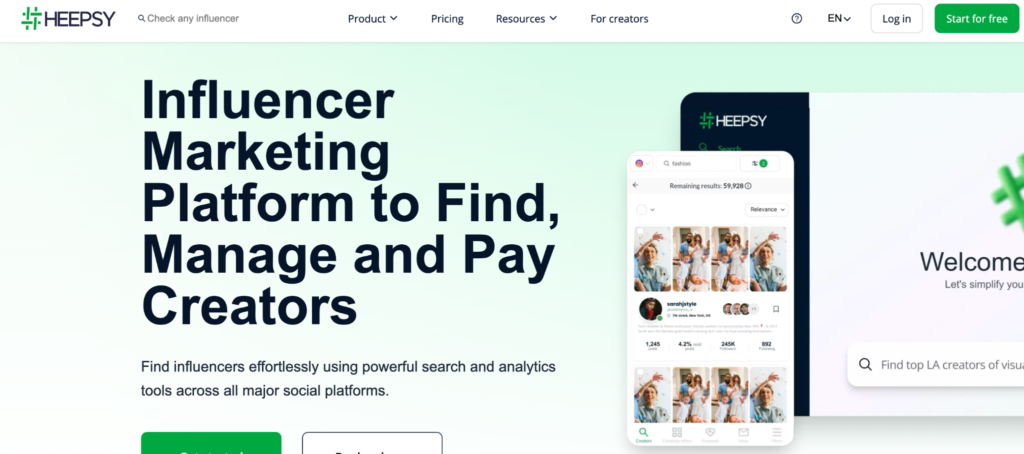
Heepsy is a more budget-friendly option aimed at smaller brands and solo marketers who need creator search and basic vetting tools without a large monthly commitment. It covers audience authenticity checks and engagement analysis across major platforms.
It does not offer the same depth in campaign management or payments as some of the larger platforms on this list, so brands tend to pair it with separate tools for outreach and payouts once their program grows past the early stage.
How to Actually Choose Between These
Rather than picking based on name recognition, it helps to start with what is actually breaking in your current process. If outreach is the bottleneck, prioritize platforms with strong discovery and AI-assisted messaging.
If payments and compliance are the headache, look closely at how each platform handles global payouts and tax documentation. If reporting to leadership is the real pain point, weigh the analytics depth more heavily than the size of the creator database.
It is also worth testing how each platform handles your specific store setup, whether that is Shopify, WooCommerce, or Amazon, since integration quality varies a lot between these tools even when the feature list looks similar on paper.
Wrapping Up
There is no single right answer here, since the right tool really depends on the size of your program and which part of the process is currently eating up the most time. Smaller teams often do fine with a lighter discovery tool paired with manual outreach, while brands scaling past a few dozen active creators usually benefit from something that handles discovery, communication, and payments together.
Whatever you land on, the goal is the same: spend less time chasing spreadsheets and more time actually building relationships with creators who genuinely fit your brand.
FAQs
1. Do I need an enterprise-level platform if I am just starting out? Not usually. Most brands starting out do fine with a lighter discovery tool and manual outreach. Enterprise platforms make more sense once you are managing dozens of active creators across multiple campaigns at once.
2. What is the biggest difference between an influencer platform and an affiliate platform? Influencer platforms are generally built around finding creators and managing content campaigns, while affiliate platforms focus on tracking links and paying commissions. Many modern tools now blend both, letting creators earn a flat fee and a commission from the same partnership.
3. How much time can creator management software actually save? It varies by team size, but brands running programs manually often spend hours a week just on outreach, tracking, and manual payments. Consolidating that into one system can meaningfully cut down on admin work, freeing time for actual relationship-building and strategy.
4. Should pricing be the main factor in choosing a platform? Pricing matters, but it should not be the only factor. A cheaper tool that does not integrate with your store or handle payments properly can end up costing more time and money than a slightly pricier platform that fits your workflow end to end.