Author: Click Raven

  • Best Niches for Affiliate Marketing: Profitable Ideas for Your Online Blog

    The first step towards defining your future success in affiliate marketing is mastering the skill of selecting the ideal niche.

    This is because not all niches are made equally. If you’re looking for a straightforward way to make money, choose one of the most lucrative niches for affiliate marketing.

    Finding the ideal niche can help you turn your passion into a successful business and provide you with both financial gains and the great satisfaction of witnessing your audience interact with and take advantage of your recommendations. No matter how good your content or advertising skills are, it will be fruitless if no one is looking for that product or service.


    In this article, I have compiled a list of the top ten most profitable affiliate marketing niches, as well as advice on selecting the one that best fits your interests and style.

    Top 10 best niches for affiliate marketing

    1. Fashion

    The global fashion market is estimated to reach 758.4 billion USD by 2025, with affiliate marketing emerging as the main source of sales in this industry. With so many brands and products available, people require guidance on what to buy and how to use them successfully.

    This presents a wonderful opportunity for fashion bloggers and other affiliates to monetize their content by marketing their preferred brands, from everyday apparel to highly sought-after Pandora charms and accessories. The most appealing element is that people who like fashion can explore your content not because they need something right now, but because they love it.

    Even if they don’t buy from every product you share, they’ll keep coming back for fresh ideas and consider you when they need fashion supplies.

    This is also one of the niches where popular products will sell again and again. Furthermore, this sector is not confined to females; of late, males are mindful of their appearance. This is why the fashion and beauty industry is so appealing for affiliate marketing. However, you need to do thorough research as this field is quite competitive.

    2. Travel

    As more people use the internet to plan their trips, affiliate marketers can gain potential clients in the travel sector. The travel sector is estimated to generate US$7 trillion per year. Fortunately, you do not need to visit every location you recommend to succeed in this field. Simply focus on providing high-quality content that connects with the destinations you market and your target audience. For corporate travelers, efficient business travel management can streamline this process. Recommending practical tools like Simify for affordable connectivity abroad can add real value to your travel guides and increase affiliate conversions.

    However, the travel niche’s stability remains skeptical. It depends on how quickly and successfully the present situation is addressed in the short term.

    3. Fitness

    As much as we want to be wealthy, we also need to be healthy. People will pay ridiculous sums of money to keep fit, which makes the niche profitable and timeless. In 2020, the global wellness market was estimated to be worth 4.37 trillion USD. This figure is predicted to rise to approximately $7 trillion by 2025.

    In the fitness niche, you can promote a wide range of products and services. Some of them are Infrared saunas, cryotherapy chambers, cold tubs, yoga accessories or recommend your audience to join fitness programs. You could also focus on essential home gym gear, guiding your readers toward high-quality free weights like a GoFit kettlebell to enhance their daily workout routines.

    4. E-commerce

    This niche entails the promotion of several online-sold products and services.

    Sub-niche types include dropshipping, print on demand products, home goods retailers, fashion eCommerce, and tech gadget stores.

    For instance, an affiliate might choose to focus on high-ticket outdoor recreation by targeting specific regional queries for 14ft trampolines Canada to capture a localized buying audience. Online shopping is expanding steadily and is probably here to stay. Furthermore, if you wish, you can combine e-commerce affiliate marketing with real e-commerce. 

    You can earn by promoting e-commerce platforms, apps, plugins, and solutions that assist users in expanding their e-commerce businesses.

    5. Supplements

    There is a strong demand for supplements in the wellness sector. They are essential to a lot of exercise routines. There are a ton of products on the market that claim to boost fitness and improve health.

    At least US$120 billion is made in this industry annually, and in the next ten years, it is expected to double in size.

    Not to mention that there are health supplements for pets as well, which would double the market once more.

    6. Online Education

    There are a lot of products and services to be promoted in the education niche, including online courses, e-learning platforms, test preparation services, language learning apps, student loans, textbooks, and others. The growing popularity of remote learning increases the earning chances in this sector.

    Previously, education was limited to regular classrooms. It is now a vast, online environment in which learning is available to everyone, anywhere  Your suggestions will assist your audiences in their educational journeys while earning you commissions as an affiliate marketer.

    The expansion of digital education has created opportunities not only for affiliate marketers but also for businesses investing in elearning software development, which powers the custom learning management systems, interactive course platforms, and AI-driven educational tools that are reshaping how knowledge is delivered and consumed globally.

    And with so many alternatives, you’re bound to find a specialty that suits you. It can be a profitable affiliate marketing field if you select suitable courses to promote.

    7. Finance  

    This niche revolves around promoting financial products and services that help people manage their money wisely. You can recommend a diverse range of high-value products and services, such as credit cards, investing tools, and insurance, which often generate larger commissions. Using Currency Conversion APIs are also helpful in this niche, since they help users compare international rates and make smarter financial decisions. Furthermore, financial topics attract a diverse and interested audience looking for expert advice and solutions, assuring ongoing demand and long-term profitability. You need to be updated to succeed in this sector as an affiliate marketer, offer valuable financial advice, and emphasize the necessity of careful financial management.

    If you have a financial background or a thorough understanding of the industry, you already have the biggest advantage as you can easily earn trust.

    For example, fintech tools that help businesses verify the identity of clients and employees — such as SSN verification services — are increasingly popular affiliate offers in the compliance and HR technology sub-niches.

    More so, this niche is rewarding because many people are looking to improve their financial standing.

    8. Skincare  

    We’ve been using beauty and skincare products for at least 7,000 years.

    The skincare sector is expected to be worth over $190 billion by 2025. This niche focuses on products that improve people’s appearance and self-esteem. Ideas for beauty and skincare niches include DIY beauty, hair type, budget-friendly beauty, skincare, nails, and makeup tutorials.

    The sector is continually evolving since consumers are always looking for the latest and greatest items, particularly those that are environmentally friendly. As a result, it is a fantastic place for affiliates to promote and sell products because there is always something new to talk about, and many people are eager to buy these products.

    9. Software  

    This niche involves promoting Software as a Service (SaaS) products, tech devices, software programs, and related services to a technologically knowledgeable audience. The technology and SaaS industries have shown constant growth. It is estimated that the market will be valued at 232 billion USD by 2024.  When a new technology or software is released, it typically motivates individuals to create even more new products. You can create videos on the newest technological and product developments or publish reviews on your website. You could also consider working with a software technology firm.

    Furthermore, technology is continually evolving and never goes out of trend, making this a somewhat evergreen niche. If you don’t want to confine yourself to specific sub-niches in the tech industry, you can blog about tech items from a variety of industries.

    However, casting a wide net in affiliate marketing is not the most effective strategy to produce consistent passive revenue. To achieve better outcomes as a tech affiliate, focus on a specific tech sub-niche.

    10. Web Hosting 

    With 547,000 new websites generated every day, web hosting is still a popular marketing platform among business owners. Web hosting is a service that lets you launch an online presence. Every website has a host, and it’s very likely that the user registered for their account through an affiliate link.

    Web hosting includes different types such as shared hosting, VPS hosting, cloud hosting, and dedicated hosting, depending on the performance, control, and scalability needs of the website owner.

    However, the most recent statistics by small company data show that 27% of SMBs still do not have a website. In other words, there are still plenty of undiscovered customers in the web hosting industry. Though competitive, it is one of the most profitable affiliate programs.

    How To Pick Your Niche In Affiliate Marketing: 5 Important Tips

    Passion and Interest

    Building your affiliate business will most likely require a large amount of time. So it will be challenging if you cannot stand the niche. Creating content and promoting products becomes more natural and appealing when you are passionate about it. Your passion for the topic will come out in your writing, which will enhance the authenticity and appeal of your marketing campaigns. Most essential, you will write about and promote products and services that you believe in.

    Evergreen

    You should choose an evergreen niche. Evergreen themes generate consistent affiliate income due to high demand. Don’t choose a niche that requires you to continuously update current pages instead of generating new ones. This will make it hard to grow a larger site. The durability of your affiliate marketing efforts can be increased by selecting a niche with room for growth over time.

    Identify Your Target Audience

    A well-defined niche allows you to target a specialized audience who are more likely to be interested in the products you recommend. It reveals what material will appeal to them and what products or services they are most likely to buy. Always keep in mind that the most lucrative niches are those that serve specific, engaged audiences.

    Understanding your target audience’s demands and interests will improve your chances of converting them into loyal consumers.

    Research Competition

    Competition is common in profitable niches. But you shouldn’t let this discourage you. Rather, make the most of it. Examine your possible competitors’ websites, advertising campaigns, and products they promote.

    By researching your competitors, you can identify a market niche in which you may surpass them. This will assist you in finding ways to set yourself apart from the competition and locating areas where you can be more valuable. Finding this balance is difficult. Low-competition niches typically lack offers or demand, whereas high-competition niches have both.

    Explore Monetization Option

    If you’re interested in finding out what percentage of sales you could potentially make for product kinds related to your expertise, several affiliate marketing companies show commission payments broken down by product category. Look for niches offering a minimum of thirty affiliate programs covering a range of goods and services.

    After your selection is more manageable, review industry projections for the market to gauge an affiliate marketing niche’s potential for long-term growth.

    Since there isn’t much of a difference in how to sell an expensive or cheap product, it is best to promote higher-priced products. Expensive products will give you a higher profit margin that you will use to invest in your promotion.

    Conclusion

    Your ability to succeed with affiliate marketing is mostly dependent on the niche you select. Every niche has its chances and difficulties, but with the right strategy, you can identify the very best affiliate marketing niche and make good money in any of them. The best thing about affiliate marketing is that you may test out a certain niche and move on to the next if it doesn’t work out. Don’t rest until you find the one that helps you reach your goals.

  • Draft page – don’t touch

  • Google’s Search Quality Rater Guidelines: How Does the Google Algorithm Perceive Quality

    In 2026, Google’s algorithm perceives “quality” through signals that align with its public Search Quality Rater Guidelines (QRG): content that demonstrates E‑E‑A‑T (Experience, Expertise, Authoritativeness, Trustworthiness), satisfies the user’s intent, is original and helpful, and is delivered on a technically sound, safe, and transparent site. Raters do not change rankings directly; instead, their Page Quality (PQ) and Needs Met (NM) labels help Google validate and refine ranking systems so that, over time, higher‑quality content consistently surfaces above thin, misleading, or unhelpful pages.

    Hundreds of ranking signals evaluate relevance, usefulness, and trust, while human raters supply labeled feedback used to assess updates before launch.

    What the Search Quality Rater Guidelines are in 2026

    The QRG is a public, 100+ page handbook that instructs thousands of contracted evaluators how to judge search results using consistent criteria such as Page Quality and Needs Met. The document does not disclose ranking weights; it operationalizes how “quality” should look to real people across queries, devices, and locales.

    More than 10,000 quality raters worldwide review queries and results to help Google evaluate proposed ranking changes.

    Key QRG elements include:

    1. Clear definitions of page purpose and user intent types (know, do, website, visit-in-person).
    2. PQ ratings from Lowest to Highest that reflect E‑E‑A‑T, content depth, and site reputation.
    3. NM ratings that score how completely a result satisfies a specific query on a specific device.
    4. Elevated scrutiny for YMYL (Your Money or Your Life) topics such as health, finance, safety, and civic information.

    How Google’s algorithm uses “quality” concepts from the QRG

    Google’s ranking systems use machine learning models and rules that correlate with QRG concepts rather than the rater scores themselves. Signals emphasize intent matching, originality, depth, page experience, safety, and trustworthy provenance.

    Core ranking systems optimize for usefulness and trust; rater labels verify that updates improve result quality before broad rollout.

    Signals that commonly align with QRG expectations

    1. E‑E‑A‑T indicators: clear author identity, credentials, real‑world experience, and corroborated reputation.
    2. Helpfulness: original insights, first‑hand details, problem‑solving steps, and coverage proportionate to the query.
    3. Content integrity: citations, external references, publication dates, and transparent corrections.
    4. Technical quality: secure delivery (HTTPS), fast rendering, mobile responsiveness, structured data, and safe ads.
    5. Site reputation: consistent brand entities, reviews, and references from authoritative publishers.

    According to Google’s public guidance, raters cannot lower or raise an individual site’s rankings; they provide evaluation data at scale that is compared before and after ranking changes to ensure better quality results in aggregate.

    E‑E‑A‑T in 2026: what it means to show “quality”

    E‑E‑A‑T is the QRG’s rubric for trust: demonstrate real‑world experience, recognized expertise, authoritative presence, and trustworthy practices on every page.

    E‑E‑A‑T was expanded in December 2022 to add “Experience,” strengthening expectations for first‑hand perspectives on many queries.

    Practical E‑E‑A‑T checkpoints

    1. Experience: add first‑hand photos, data logs, or test results; cite how many products tested or hours invested (for example, “120 hours of field use”).
    2. Expertise: show author degrees, certifications, or specialized roles; list at least 1–3 verifiable credentials.
    3. Authoritativeness: earn third‑party mentions and links from relevant publications; showcase awards or accreditations.
    4. Trust: display clear ownership, contact options, privacy terms, and refund/complaint processes; use HTTPS and visible policies.

    YMYL pages: the higher bar and what to prove

    For health, finance, legal, safety, and civic topics, the QRG expects rigorous sourcing, expert oversight, and user protections. Pages lacking credentials, citations, or safeguards are prone to Lowest PQ ratings in rater tests and poor organic performance.

    YMYL topics carry the strictest expectations: inaccurate advice can cause financial loss, health harm, or safety risks.

    1. Include expert-written or expert-reviewed content (name, credentials, affiliations).
    2. Cite primary sources, academic references, and official standards with dates.
    3. Provide transparent about, contact, and complaint resolution paths.
    4. Avoid aggressive ads or affiliate placements that obscure or bias advice.

    Quality Raters vs. the Ranking Algorithm (comparison)

    Quality raters evaluate results; the algorithm ranks results. The table summarizes how each contributes to search quality in 2026.

    Raters supply labeled judgments; ranking systems learn patterns across hundreds of signals.

    Aspect Quality Raters (QRG) Ranking Systems (Algorithm)
    Who/What Human evaluators (10,000+ globally) Automated systems using hundreds of signals
    Purpose Assess quality and usefulness of results Compute rankings at query time
    Inputs QRG rubric: PQ and NM scales, E‑E‑A‑T, YMYL Content, links, user context, site signals, structured data
    Outputs Labels for evaluation datasets Ordered search results
    Effect on Your Site No direct ranking impact Direct ranking impact
    Update Cycle Ongoing tasks to test proposed changes Core and system updates rolled out after testing

    What “helpful content” means in 2026

    “Helpful content” is people‑first, demonstrating clear value beyond what’s already ranking. Google integrated helpful‑content signals into core systems, so unhelpful patterns can suppress sitewide visibility until quality improves across a meaningful share of pages.

    Originality, first‑hand detail, and problem‑solving depth are the top differentiators of helpful content in competitive SERPs.

    1. Add unique data (surveys, tests, comparisons), not summaries of other pages.
    2. Answer the query in the first screen; expand with structured, scannable depth.
    3. Include why/when/which guidance, not just what/how steps.

    How to align your site with the QRG (step‑by‑step)

    The fastest path to alignment is a repeatable audit and implementation workflow focused on E‑E‑A‑T, helpfulness, and technical quality.

    Target Core Web Vitals thresholds in 2026: LCP ≤ 2.5 s, INP ≤ 200 ms, CLS ≤ 0.1.

    1. Define page purpose and search intent for top 100–1,000 URLs; map queries to “needs met” outcomes.
    2. Elevate authorship: add bios, credentials, and external profile links to 100% of editorial content.
    3. Increase originality: add at least 2–3 first‑party data points, images, or test results per key page.
    4. Strengthen transparency: publish About, Contact, Privacy, Terms, and editorial policy pages; link them sitewide.
    5. Improve evidence: add citations with dates and outbound links to standards, research, and official documents.
    6. Optimize UX: compress media, lazy‑load below‑the‑fold assets, and prune intrusive interstitials.
    7. Implement structured data: Article, Product, Organization, FAQ, and Review schema where appropriate.
    8. Consolidate thin pages: merge or canonicalize duplicates; remove low‑value URLs from indexation.
    9. Reputation building: seek 3rd‑party mentions and reviews; respond to feedback on at least 2 platforms.
    10. Measure and iterate: review Search Console and analytics weekly; ship improvements in two‑week sprints.

    Implementation examples by page type

    Different pages prove quality in different ways; tailor your signals to the page’s purpose.

    Match evidence to purpose: reviews need first‑hand tests; YMYL needs credentials and citations.

    Blog and thought leadership

    1. Publish author bios with 2–5 credentials and 3+ third‑party references.
    2. Embed original charts or data tables; link to raw data.

    Product and ecommerce

    1. First‑hand product photos/videos, measurements, and pros/cons based on tests.
    2. Clear policies: shipping, returns, warranties; verified reviews with timestamps.

    Local service pages

    1. NAP consistency, license numbers, insurance, and permits.
    2. Case studies with before/after photos and quantified outcomes.

    Health/finance (YMYL)

    1. Expert reviewed content; references to clinical trials, regulations, or financial disclosures.
    2. Risk disclosures and when to seek professional help.

    Costs and ROI of quality improvements in 2026

    Budgets vary by scope, but teams should plan for editorial, technical, and reputation investments that compound over 6–12 months.

    Common ranges: $0.15–$0.60 per word for expert content; $2k–$10k per content audit; $5k–$50k for technical/UX sprints.

    1. Content production with subject‑matter experts: $600–$2,500 per long‑form page (1,200–2,500 words).
    2. Expert review (YMYL): $200–$800 per page for credentialed review and sign‑off.
    3. Schema and data integrations: $500–$5,000 per template.
    4. Digital PR/reputation: $3,000–$20,000 per campaign.

    Estimate ROI using a conservative CTR curve and current CPC benchmarks. If a page gains 1,000 additional clicks/month and your blended CPC is $2.00, the media value is roughly $2,000/month, excluding conversion value.

    How to measure “quality” lift after changes

    Quality is measured by outcomes: better rankings, higher satisfaction signals, and fewer rater‑style failure patterns.

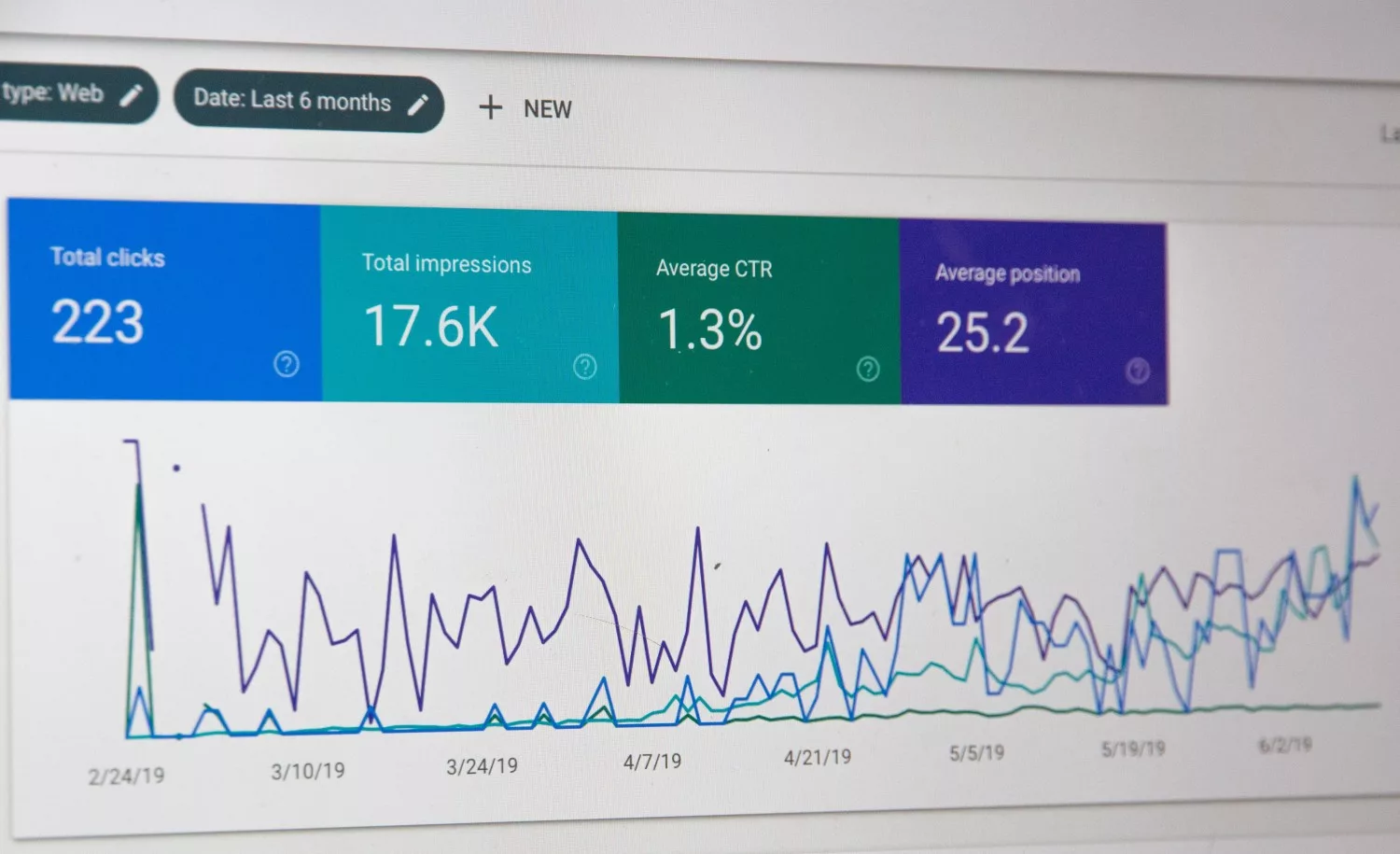
    Track leading indicators weekly for 8–12 weeks: impressions, average position, CTR, conversions, and Core Web Vitals.

    1. Google Search Console: impressions, average position, CTR by query and page.
    2. Analytics: engaged sessions, scroll depth, form starts, conversion rate.
    3. Page experience: LCP, INP, CLS from field data (Chrome UX Report).
    4. Reputation: new referring domains and brand mentions per month.
    5. Content integrity: percentage of pages with citations, bios, and last‑updated timestamps.

    Common mistakes that trigger Low PQ or Fails to Meet

    Most failures stem from misaligned intent, missing trust signals, or thin/duplicative content.

    Three repeat offenders: thin summaries, hidden or misleading ownership, and aggressive ads that block content.

    1. No clear author or organization ownership, especially on YMYL topics.
    2. Affiliate‑only pages lacking first‑hand testing or clear added value.
    3. Clickbait titles with answers buried or absent on the page.
    4. Uncited medical/financial claims or outdated references.
    5. Interfering ads, deceptive UI, or auto‑playing media above the fold.

    How we evaluated this guidance

    This article synthesizes Google’s public QRG concepts with 2026 best practices observed across high‑performing sites, cross‑checked against public commentary such as SISTRIX’s explainer and Search Engine Journal’s E‑E‑A‑T coverage. We prioritized verifiable, repeatable actions, cited thresholds (for example, Core Web Vitals), and conservative budget ranges drawn from current market rates.

    Methodology emphasizes reproducible actions, measurable KPIs, and alignment with published Google guidance in 2026.

    Sources and further reading

    Review these resources to deepen your understanding and keep current in 2026:

    Start with Google’s public documentation, then compare expert summaries for practical implementation tips.

    1. SISTRIX: Google Quality Evaluator Guidelines (overview)
    2. Search Engine Journal: E‑E‑A‑T and the Quality Raters’ Guidelines
    3. More from Click Raven on SEO

    FAQs: Google’s Search Quality Rater Guidelines in 2026

    Answers below focus on how the QRG intersects with practical SEO work this year.

    Raters inform evaluation; systems determine rankings. Optimize for both human expectations and machine signals.

    Do quality raters affect my site’s rankings directly?

    No. Raters label sample results to help Google evaluate changes; they cannot boost or penalize individual sites.

    What is E‑E‑A‑T, and how do I show it?

    E‑E‑A‑T means Experience, Expertise, Authoritativeness, and Trustworthiness. Show first‑hand use, credentials, authoritative references, and transparent policies on every page.

    Are backlinks still part of “quality” in 2026?

    Yes, but emphasis is on relevance and reputation. Mentions and links from topical, high‑quality sources reinforce authoritativeness more than raw counts.

    How does “helpful content” relate to the QRG?

    Helpful content is a core system concept that aligns with QRG expectations. Sites with unhelpful patterns can see widespread ranking headwinds until issues are fixed across a meaningful portion of pages.

    What matters most for YMYL pages?

    Verifiable expertise, rigorous sourcing, clear ownership, and user protections. Uncredentialed advice or vague sourcing risks Lowest PQ assessments.

    Can AI‑generated content rank under the QRG?

    Yes, if it delivers original value, is fact‑checked, discloses authorship, and meets E‑E‑A‑T expectations. The bar for YMYL topics is significantly higher.

    How soon can I expect results after a quality overhaul?

    Technical fixes can show improvements within 2–8 weeks; broad content and reputation improvements commonly take 3–6 months, depending on crawl cycles and competition.

    Where should I start if I have limited resources?

    Prioritize your top 20–50 pages by traffic potential. Add author bios, citations, and unique value, then improve speed and mobile UX on those URLs.

  • An Infographic on Infographics

    2010 has often been called “the year of the infographic” due to the exploding popularity of infographics on the web. However, it seems very few people are actually quantifying this popularity, or sharing stats on infographics themselves. There is a plethora of information out there on how to design them, and thousands upon thousands of infographics on every subject from Facebook to cats. But after hours of research, we found that very few people are putting numbers or charts against this infographic growth.

    As marketers, we’ve always recognized the value of portraying content in a visual manner and, as a result, we thought we’d take our first step into the infographic world. Below we have a few of the stats on the growth of this phenomnon, and some reasoning behind why they are so popular. Check it out and feel free to share any infographic stats you may have in the comments.

    An infographic on infographics:

  • How to build a Facebook fan page

    I love Facebook. I mean really, it is my lifeline. And now, thanks to the extreme popularity of Facebook fan pages, I have a great way to help clients get involved on Facebook too.

    The fan page, like everything in social media, can be built and done in a matter of minutes. That is, if you are not planning on having anyone look at it, connect to it, or like it. If you are, in fact, trying to give personality to your brand and connect with your customers, your Facebook fan page will take you substantially longer to create and will need to be maintained regularly.

    * UPDATE – Before you build your page, you’ll want to know about the new changes to Facebook fan pages that will launch in January of 2010. They will have a direct impact on any company with a fan page.

    Here’s how to get started.

    1. Facebook appears to have hidden the “create a fan page” link on your home page. (If anyone knows where that is, feel free to let me know). So instead, you can go to an existing fan page, any fan page, and scroll down. On the left hand column at the bottom, it says “create a page for my business”. That’s the one you want.

    2. You then have to select what kind of business you are, sign that you are authorized to be representing that business, and then create the page.

    3. First things first, you’ll want to get your basic info on there. Click “edit the page” and scroll down to the information section. Click on the pencil and hit “edit”. They don’t give you a whole lot of room to be creative with this basic info. You’ll just enter info such as: website, address, and hours you are open. Nothing exciting.

    4. Now you need a profile image. Yes, you can use your logo, but if your logo is a little boring and/or corporate, I’d recommend against it. Instead, I’d choose an image that represents your company, product or service. It’ll make the page a little more user friendly.

    5. Add apps. Apps are the best way you can show your company’s personality. I’d start with the extended info app, as this allows you to create categories ie : favorite food, favorite TV shows, interests, travel, etc and then fill out your answers. What’s neat about this is that you can customize your categories to fit your business and your goals. If you are a tech company perhaps you’d use: favorite tech inventions of all time. If you are an apartment complex, maybe you make the category, best local places to eat. It’s up to you, but feel free to get creative and/or funny. People like funny.

    There are many many other apps you can use, although depending on the type of business you are, there are some that may not be available. A couple that I really like are: the “You Tube Box” where you can showcase your favorite You Tube videos, the “Favorite Pages” where you can show other Facebook fan pages that you like, and “Networked Blogs“, where you can feed in your latest blog posts into your fan page.

    6. Check your publishing settings. Some people may disagree with me on this, but I don’t think you should send an update to all of your fans every time you do anything on Facebook. True, that’s a good way to get your name repeatedly in front of them, but it’s also a good way to annoy them and, possibly, have them un-fan you. Again, look at your goals for the page and choose the updates that you think are most relevant to your fans. Do your fans care if you made an update to your extended info app. Probably not. What about a new event? Yes, maybe.

    7. Add photos. I wouldn’t recommend doing a whole bunch of product shots, or building shots, or logos. If you want to have one “about us album” go for it. But since this is Facebook and it’s all about people and interacting, I’d recommend your pictures be people too. Whip out the camera at an event, take pictures of your employees, or pictures with your clients. Best of all, if you are able to have an event that your fans would come to, take pictures of your fans and then tag them. It will give your fan page added value.

    8. Once you’ve gotten all this set up, go ahead and hit “publish” (it’ll be at the very top).  Keep in mind that for the page to be effective, publishing it doesn’t mean your done. You are going to want to make status updates, upkeep event info, add new images when they become available, start discussion threads, respond to people who comment on your wall, suggest your fan page to your friends, and plenty more. It’s all fun though. I promise.
    Let me know if you think I’m missing anything and check back in next week. I’ll be sharing with you some pages that I think are doing it right.