Category: SEO

  • First Page SEO Guarantee: Does it Work? 

    First Page SEO Guarantee: Does it Work? 

    In the sprawling landscape of online business, navigating Search Engine Optimization (SEO) services can feel like traversing a labyrinth. Most online businesses use search engine optimization (SEO) services to optimize the website content to rank better on search engine results pages. However, selecting an SEO agency can be challenging since many choices exist. Each one of them provides a unique justification for choosing them.

    Some SEO firms offer SEO guarantees, such as a first-page ranking guarantee or your money back. While an SEO guarantee is a compelling offer, any guarantee is a red flag that you should seek other SEO services. Read on to learn why you should avoid SEO companies that guarantee first-page ranking results and what to look for instead.

    What Are Guaranteed SEO Services?

    At first glance, guaranteed SEO services seem like a lifeline in the turbulent seas of digital. Who wouldn’t be enticed by the promise of skyrocketing to the top of search engine results? They often promise first-page rankings for particular keywords, an exact timeline for when you will see results and even a money-back guarantee.

    Remembering that such first-page SEO guarantees come with several additional risks would be best. For instance, in most cases, any guaranteed SEO services use unethical SEO techniques to improve rankings. These techniques may include black hat strategies instead of acceptable SEO strategies like white hat link building.

    In that case, aggressively using black hat SEO techniques to guarantee first-page results will be more detrimental to your company than beneficial.

    Why Are First-Page SEO Guarantee Services Unreliable?

    As we’ve already discussed, an SEO guarantee is reasonable. Businesses would be tempted to cooperate with SEO firms that guarantee first-page SEO.
    However, selecting an SEO firm that advertises guaranteed SEO services carries many risks. It frequently results in subpar results over the long term or even significant harm to your rankings and business permanently.

    Let’s talk about why such services are unreliable.

    1. The First-Page SEO Guarantee Is Impossible

    Simply put, you can’t guarantee what you can’t control. Although aggressive SEO techniques may raise your rankings, it is hard to say how much a specific strategy will boost your rankings and how high. This is mainly because SEO demands producing relevant and quality content and engaging with Google algorithms.

    This first-page SEO guarantee is also unattainable because various factors outside the SEO agency’s control affect search engine results. These factors may include your brand’s online reputation, the intense rivalry with other companies, the time factor, and the ever-changing search engines’ ranking algorithms.

    2. A First-Page SEO Guarantee Firm Will Use Black-Hat SEO Techniques

    Guaranteed SEO services employ black-hat strategies. Black-hat tactics are essentially a set of actions that violate Google’s policies. These unethical SEO techniques deceive Google’s ranking algorithms into giving your website a higher rating.

    Because it is intended entirely to target search engines rather than consumers, this SEO technique is against Google’s Webmaster Guidelines. Some famous black hat SEO tactics include:

    • Engaging in link exchange schemes
    • Concealing keywords
    • Producing redundant content
    • Leaving spammy comments on other blogs

    Black-hat tactics are used by agencies that guarantee results because they are quick. They may get away with it for a few weeks, just long enough to meet their SEO KPIs and get paid, but your website will eventually be exposed.

    If Google discovers that you are utilizing these SEO techniques, your website may be penalized or banned from Google. Imagine spending all that time and money to have it vanish into thin air.

    3. Your Website Will Appear in Search Results for Irrelevant Keywords

    If you’re working with an agency that guarantees results, they will often choose the keywords themselves. Their priority isn’t relevance — it’s speed and ease of ranking.

    This means you could end up ranking on page one for keywords that:

    • Have little to no search volume
    • Are unrelated to your business
    • Don’t attract customers who are ready to convert

    For example, you might rank for multiple keywords and still see zero leads or sales because the traffic has no real intent behind it.

    This becomes even more critical in specialized industries. For instance, a rehab center or mental health provider needs highly targeted traffic to reach individuals actively seeking care , not just general visitors. That’s why working with a behavioral health marketing agency can help ensure your SEO strategy is aligned with real patient intent rather than vanity rankings.

    Effective SEO is not just about rankings but about attracting the right audience. If the keywords don’t align with your product or service, the traffic becomes meaningless, and your investment delivers no real return.

    4. A First-Page SEO Guarantee Firm Endangers Your Business

    Most first-page guaranteed SEO services might cost you a lot of time and money. Not just that, though. They will do more harm than good as well. Even if you choose to work with a different SEO agency later, you will still have to deal with the penalties and poor rankings you accrued while working with the guaranteed SEO services.

    Authority is crucial to rank higher in search engine results. It will take some time for your site to recover if you used first-page guaranteed SEO services and they interfered with the authority you had gotten before. The best and only option is to avoid these first-page SEO guarantee companies from the start.

    5. Limited Services

    The fact that these organizations frequently offer very few services is another factor to consider. They often have contract clauses that allow them to avoid responsibility if they don’t deliver results or if your website rankings decline rather than rise.

    Again, these companies frequently emphasize quick rankings and neglect other aspects of the SEO process, like great content, high-quality backlinks and niche edits, and technical SEO factors, among other things.

    6. A First-Page SEO Guarantee Service Offers a One-Size-Fits-All Approach

    Good SEO is particularly customized and tailored to your company and your niche. Therefore, it would be wise to be cautious of any company offering you an SEO approach employed on numerous other businesses they’ve worked with.

    A good SEO agency will take the time to research your brand, dive deep into it, do an SEO audit, and develop a cutting-edge SEO plan to win the game.

    7. A First-Page SEO Guarantee Firm Provides Low ROI

    Any efficient SEO technique aims to gain more relevant traffic to your website. You have a better chance of generating leads and closing sales when you drive qualified traffic to your website. As a result, you will notice an increase in your SEO return on investment (ROI).

    Read Also: Crucial Metrics for Measuring Your Content Marketing ROI

    The opposite occurs with guaranteed SEO services. The emphasis moves from quality to quantity.

    For instance, if you pay an SEO service $6,000 to grow your traffic by a predetermined number, let’s say 100% in 30 days, even if your traffic doubles, it will only matter once you also experience an increase in leads and sales.

    Instead, you’re merely spending money on vanity metrics that don’t affect your financial situation. You get the traffic but not sales or leads of any kind.

    How to Choose a Good SEO Agency

    Now that we understand why you should avoid first-page SEO guarantees let’s look at the criteria for selecting a reputable SEO agency.

    1. Experience

    The first and most crucial factor to consider is an agency’s experience. A modest amount of experience will say a lot about the company’s methods of operation and principles. Furthermore, if a company has an established track record in its field, it is easier to trust it.

    It would be best if you were alert to whether or not they have experience in your specific field of expertise. This does not, however, indicate that you should not have faith in a newly founded company. Of course, you can, but you must be sure they can deliver results.

    2. Approach

    Trustworthy agencies also offer a unique content strategy specific to your target market, business objectives, and industry. A competent agency will pay close attention to your demands and want to know exactly what you’re having trouble with. Avoid companies that provide generic solutions to your site’s problems and are cookie-cutter in their approach.

    3. White Hat Techniques

    Any reliable SEO agency knows that using white hat techniques is the best approach to ranking a website. These include creating unique, high-quality content, adjusting your website’s SEO, and using social networking platforms like Facebook and LinkedIn to disseminate material.

    Given that they know they can neither control nor circumvent search engine algorithms, white-hat SEO businesses will never provide first-page SEO guarantees. They prefer to adopt natural and legitimate methods to increase your website’s authority; rankings will come from this type of effort.

    Google’s E-A-T provides a detailed understanding of this methodology.

    4. Transparent

    Furthermore, you want an SEO agency that is open and honest about its interactions with previous clients, their achievements, and their statistics. Trustworthy agencies support their promises with facts and previous client experiences. Ensure they can provide evidence to support their claims of expertise that they are willing to share. Avoid the agency if they are unable to do this.

    Again, good agencies should also give regular updates on their progress and provide data on the effectiveness of their campaigns. Ensure the agency you select keeps you informed and explains the information it sends you. SEO is a long game, so weekly to monthly updates are good for knowing that the SEO agency is still working on your campaigns.

    5. Reviews and References

    Reviews and testimonials show a company’s dedication and effort. If you need help deciding between multiple businesses, check out their web reviews and client endorsements first.

    Additionally, you can contact previous customers and inquire specifically about their interactions with the agency. Any honor or recognition the agency receives for its work is an extra feather in its cap.

    6. Are They Willing to Teach You?

    An SEO agency is likely reliable if it is eager to share its expertise and assist you in becoming familiar with SEO tactics. They demonstrate their knowledge and good intentions by being forthright, open-minded, and willing to respond to inquiries regarding their procedure.

    Before partnering with any firm, you can ask them questions about SEO in general and how they approach it. It is a scam if they appear distant or unwilling to provide information.

    What Can You Expect From a Reliable SEO Company?

    What will a professional SEO provider deliver if they don’t guarantee you results?

    Any reliable SEO agency should assist you in achieving a few goals as part of your continuing SEO campaigns. Here are a few things to expect:

    1. Attract Qualified Leads

    A competent SEO agency should raise your page rankings for keywords related to your industry. This results in more qualified traffic visiting your website over time. Additionally, more qualified traffic translates into high-quality leads subscribing to your email and expressing interest in your goods or services.

    2. Long-Term Results

    Any long-term SEO strategy aims to get you on top and keep you there. While getting page-one rankings within 30 days sounds impressive, it’s a far-fetched dream in most cases. It can take between 3 and 12 months to see benefits from a top-notch SEO campaign.

    On the other hand, white-hat SEO strategies increase the likelihood that you’ll remain at the top, where you’ll receive targeted visitors and make money for years to come.

    3. Quantify Results

    Every step of the SEO process should be data-driven, from creating results to measuring them and leveraging these metrics to produce additional results. The most powerful SEO tools are used to make SEO and content decisions. This allows for setting realistic, reachable goals and real-time progress tracking.

    Reputable services often analyze your customers’ site navigation, pinpoint your precise problem areas, and determine how much of your income improvements are directly linked to SEO using a range of indicators, such as rankings, traffic, and average session time.

    4. Credibility and Authority

    With an excellent, personalized approach, you earn more than just high rankings. You will increase your authority and trustworthiness with your target audience. Consequently, you gain many high-quality backlinks and boost your Google rankings.

    If you consistently show up when clients are looking for information about your product or service, eventually, they will come to view you as the authoritative source in your field.

    5. Quality Backlinks

    Building backlinks is a crucial component of SEO and digital marketing in general. Quality contextual backlinks prevail over quantity.

    Using strategies like blogger outreach, a trustworthy service provider will promote links to your website on high-quality, pertinent websites, like media websites or websites with high authority. These types of backlinks benefit your website in two ways:

    • They raise your website’s authority and online exposure.
    • They also bring in targeted internet visitors relevant to your business.

    Conclusion: First Page SEO Guarantee

    Guaranteed SEO is something that ought to be avoided at all costs. Even the best SEO companies cannot guarantee traffic growth or results for a specific number of keywords. They will be focused on what is essential: utilizing white hat SEO tactics to assist you in exceeding your business objectives and fostering commercial success.

  • Process Mapping for SEO and Digital Marketing Success

    Process Mapping for SEO and Digital Marketing Success

    Marketing success often feels like a puzzle with too many pieces. You have keywords, technical audits, and content schedules all fighting for your time. Trying to manage these moving parts without a clear plan leads to wasted effort. Visualizing your workflow changes how you see your goals. It helps you see where things get stuck and how to fix them. When you see the big picture, you make better choices for your brand. Digital growth requires a clear path that every team member can follow.

    Visualizing Your Marketing Workflow

    Planning starts with a clear view of the steps you need to take. You cannot reach a goal if you do not know the path to get there. Visual tools make it easier to see how tasks connect. Planning helps everyone stay on the same page during a busy campaign. Using a process mapping guide helps clarify who is responsible for each specific task. Clear roles prevent double work and keep the project moving forward at a steady pace.

    Team members can see where their work starts and where it ends. This clarity builds trust within the group. It makes the daily grind feel more like a coordinated effort. You can spot gaps in your strategy before they become expensive problems.

    Organizing Content for Better Crawling

    Search engines need to understand how your website functions. If your pages are a mess, search bots will struggle to index your content correctly. A clear structure helps these bots find your most valuable pages.

    A digital marketing blog mentioned that search engine crawlers prefer an organized approach to content since it clarifies how everything fits together. This means that a visual map of your site structure helps more than just your human visitors. It gives a roadmap to the software that decides where you rank.

    When you map out your topics, you create a web of information. This website shows the search engine that you are an expert in your field. It builds authority over time. You should aim for a logic that a child could understand.

    The Strategy of Keyword Placement

    Picking the right words is only half the battle. You have to know where those words live on your site. Using the same words on every page creates confusion for search engines.

    One enterprise SEO services expert suggested that keyword mapping is the strategic method of assigning specific target phrases to individual pages on a site preventing your own pages from competing against each other – what is called keyword cannibalization.

    It keeps your message clear and focused for every visitor.

    • Select a primary keyword for each page.
    • Identify 3 or 4 secondary phrases that support the topic.
    • Check that no two pages target the same main term.
    • Map out the internal links between these related pages.

    Following this structure helps you build a solid foundation. You can see which areas of your site need more content. You can also see which pages are already doing the heavy lifting.

    Mapping the Path of Your Customers

    A customer does not usually buy something the first time they see it. They go through a series of steps from learning about you to making a choice. Understanding this path helps you create the right content for the right time.

    A guide on digital execution recommends outlining the path your customers take from their first moment of awareness through to the final purchase. This visual path helps you see where people might drop off. You can then create content to keep them moving forward.

    Each step in the journey needs a different type of information. Someone just starting their search needs a different answer than someone ready to pay. Visualizing this flow helps you meet those needs. It turns a cold lead into a happy buyer.

    Aligning Content with User Intent

    Keywords are just symbols for what people actually want. If you only look at the words, you miss the meaning. You have to think about why someone is searching in the first place.

    Industry experts point out that successful search optimization aligns your content with what the user wants to find – rather than just focusing on the words themselves. This distinction is what separates good marketing from great marketing. You must solve the user’s problem to win their trust.

    If someone searches for a tutorial, they want to learn. If they search for a price, they want to buy. Mapping these intents helps you organize your content strategy. It makes your site a more helpful resource.

    Reducing Friction in Team Workflows

    Large marketing teams often struggle with communication. One person might be writing a blog while another is building a landing page. Without a map, these two people might not know they are working on the same goal.

    Visualizing workflows helps remove confusion and improves how teams work together by making every step easy to understand. This was noted in a recent article about site planning and collaboration. When the process is visual, anyone can look at the chart and see the status of the project.

    This transparency reduces the need for long meetings. It cuts down on the number of emails sent back and forth. When meetings are unavoidable, an AI note taker can automatically capture action items and decisions — so your team walks away aligned without spending time writing up notes. Teams can move faster and hit their deadlines with less stress.

    Navigating Through Operational Chaos

    Business operations can quickly become a tangled mess of spreadsheets and notes. This chaos slows down your growth and frustrates your staff. You need a way to bring order to the madness.

    One technical guide describes visual mapping as a GPS for your operations that draws a clear path from chaos to coordinated action. Think of it as a tool that shows you the fastest route to your destination. It points out the roadblocks before you hit them.

    • Identify the start and end points of a process.
    • List every action that happens in between.
    • Highlight the points where a decision must be made.
    • Mark the people involved in each specific action.

    Using these steps helps you clean up your internal systems. You can stop doing things that do not add value. Your team will thank you for the clear direction.

    Success in marketing is about the details and the big picture. You need to handle both to stay ahead of the competition. Start with a simple chart and build it out as your needs change. Your future self will be glad you took the time to map things out today. Clear goals lead to clear results for every business.

  • How Electricians Can Use SEO to Get More Leads Without Relying on Word of Mouth

    How Electricians Can Use SEO to Get More Leads Without Relying on Word of Mouth

    Referrals are reliable, but they’re also unpredictable. An electrician who depends entirely on word of mouth is essentially waiting for the phone to ring, with no real control over when or how often that happens. Local SEO changes that dynamic by putting a business in front of homeowners at the exact moment they’re searching

    When someone types “electrician near me” into Google, they’re not browsing casually. That’s urgent, high-intent demand, and industry research shows that home service searches increasingly begin online rather than through personal recommendations. The electricians who show up in the Google Map Pack, the Google Business Profile results, and organic search listings are the ones capturing those leads.

    Unlike referrals, which arrive on someone else’s timeline, SEO creates a consistent pipeline tied directly to what people are already looking for.

    Where SEO Brings Leads Faster Than Referrals

    The contrast between passive referral dependence and active search demand becomes clear when you consider buyer intent. A homeowner dealing with a tripped breaker or a failed outlet isn’t asking a neighbor for a recommendation; they’re reaching for their phone and searching. That moment of urgency is where local SEO earns its value.

    Appearing in the Google Map Pack, the Google Business Profile results, and organic search listings means an electrician is present precisely when purchase-ready intent is highest. Emergency electrical needs and local service queries don’t wait for a referral to come through, and neither should a lead generation strategy.

    Build Pages That Rank for the Jobs You Want

    A well-structured website is the foundation of any effective SEO effort. When pages are built around specific services and locations, they give search engines clear signals about what the business offers and where it operates. Working with an Electrician Marketing Agency can help prioritize which services and locations to target first, particularly when separating service intent from location intent across many pages becomes too complex to manage in-house.

    Service Pages for High-Intent Jobs

    A common mistake electricians make is putting every service on a single page, which dilutes the relevance of each offering and makes it harder to rank for anything specific.

    Instead, each core service should have its own dedicated page. Panel upgrades, EV charger installation, whole-home rewiring, and outdoor lighting all represent distinct searches with distinct buyer intent. A standalone service page gives each one room to target the right keyword, carry a focused title tag and meta description, and speak directly to what that customer actually needs.

    Proper on-page SEO starts with matching page content to how real customers phrase their searches, and that requires keyword research tied to actual job types rather than assumptions.

    Location Pages That Expand Your Service Area

    Service pages answer what an electrician does. Location pages answer where they do it, and that distinction matters for reaching customers beyond a tight referral radius.

    A location page built around a specific city or neighborhood signals to Google that the business is relevant for searches in that area. An electrician serving multiple suburbs can build a page for each one, targeting searches like “electrician in [city]” rather than competing broadly. Spreading thin across too many weak pages achieves less than building a smaller number of focused, well-structured ones.

    Win More Local Searches Before Visitors Hit Your Site

    For electricians, local visibility often functions as the first lead touchpoint, appearing before a website visit ever takes place. That makes the assets covered in this section some of the most valuable to get right.

    Turn Your Google Business Profile into a Lead Source

    For most local searches, a Google Business Profile appears before the website ever does. That makes it one of the highest-value assets an electrician can control, and one of the most commonly left half-finished.

    A complete, optimized profile includes accurate service categories, a detailed business description, photos of real work, and clearly listed service areas. These details directly influence whether a business appears in the Google Map Pack, the three-listing block that captures a significant share of local search clicks.

    Keeping this profile active matters too. Posting updates, answering questions, and adding photos regularly signals to Google that the business is current and engaged, which supports visibility over time.

    Clean Up Citations, NAP, and Reviews

    Beyond the Google Business Profile, local SEO visibility depends on consistency across the broader web. NAP consistency, meaning the business name, address, and phone number appearing identically across every directory and listing, is a foundational trust signal for local search algorithms.

    Local citations on platforms like Yelp, Angi, and the Better Business Bureau reinforce that consistency. Conflicting information across these sources can quietly suppress rankings without any obvious cause.

    Customer reviews play a parallel role. A steady stream of recent, positive reviews improves both search visibility and the likelihood that a prospect chooses one electrician over another. Asking satisfied customers to leave a review after each job, and responding to every review that comes in, keeps this signal strong without requiring extra ad spend.

    Fix the Website Issues That Block Conversions

    Ranking well and converting visitors are two separate problems, and technical issues can undermine both. Once the profile and citation work from the previous section is in place, the website itself needs to hold up under scrutiny.

    Mobile-friendliness is non-negotiable for electricians. Urgent searches happen on phones, and a site that loads slowly or displays poorly on a small screen loses the visit before it begins. Website speed matters equally, since Google factors load time into both rankings and user experience signals.

    On the technical SEO side, the basics include clean URL structures, crawlable page architecture, proper title tags, and no broken links. These aren’t advanced tactics but foundational conditions that allow search engines to understand and index the site correctly.

    Schema markup adds another layer of clarity. Structured data helps Google surface business information like hours, service types, and location directly in search results, which can improve click-through rates before a visitor even lands on the site. Contact paths deserve equal attention, as phone numbers, contact forms, and service request buttons should be visible on every key page without requiring the visitor to search for them.

    Electricians who want to explore tools built for local search growth alongside these fixes will find that on-page SEO and technical health work best when treated together.

    Create Content That Captures Non-Emergency Jobs

    Not every homeowner searching for electrical information is ready to book a job right now. Some are researching, comparing options, or trying to understand a problem before they call anyone. Content marketing captures that earlier stage of the journey and builds familiarity that often converts later.

    Answering common homeowner questions through blog posts or guides targets informational searches that referrals and service pages never reach. Questions like “how long does a panel upgrade take” or “is flickering lighting a safety issue” attract organic traffic from people who will eventually need an electrician.

    This kind of educational content works best when it supports service pages rather than competing with them. A blog post explaining when to upgrade an electrical panel, for example, can link internally to a dedicated panel upgrade service page, moving a curious reader closer to a conversion without any hard sell. Keyword research helps identify which questions homeowners are actually asking, so the content being created connects to real search behavior rather than guesswork.

    Track Whether SEO Is Beating Word of Mouth

    Putting SEO tactics in place is only part of the work. Knowing whether those tactics are actually outperforming referrals requires consistent measurement, and two free tools make that straightforward.

    Google Search Console shows which search queries are bringing traffic, how often pages appear in results, and whether local visibility is growing over time. Google Analytics complements that by revealing what visitors do once they arrive, how long they stay, and which pages lead to contact actions.

    The most useful data point, however, is lead source. Tracking whether inquiries came through organic traffic, a phone call from a search result, a form fill, or a booked job allows a direct comparison with referral volume. If organic leads are rising while referral volume stays flat, that gap represents real business growth tied to search. Monitoring the local visibility metrics worth tracking alongside call and form data gives a clearer picture of where local SEO is gaining ground and where it still needs attention.

    SEO Mistakes That Waste an Electrician’s Time

    Even well-intentioned SEO efforts can stall when a few common errors go uncorrected. One of the most frequent is chasing broad keywords with no local intent. Ranking for “electrician” nationally means nothing if the business only serves a specific metro area. Keyword research should always be filtered through geography and job type.

    Thin location pages that repeat the same generic paragraph across every city are another pattern that consistently underperforms. Search engines recognize low-effort duplication, and those pages rarely rank. Ignoring customer reviews and local citations compounds the problem quietly, as outdated NAP data or a dormant review profile can suppress rankings without any obvious warning sign.

    Skipping technical SEO fundamentals or expecting results within weeks rounds out the list. SEO builds gradually, and measuring outcomes consistently is what separates electricians who stick with it from those who abandon it too early.

    A Steadier Lead Flow Starts with Search Visibility

    Referrals will always have a place in how electricians win work, but they function best as a supplement rather than a strategy. A business that relies on word of mouth alone has no reliable way to influence how many leads arrive or when.

    Local SEO provides that control. A well-optimized Google Business Profile, focused service pages, and consistent local citation signals create a lead channel that grows with effort and can be measured over time. The highest-impact work rarely requires doing everything at once. Starting with the fundamentals covered throughout this guide and building from there is enough to shift the balance toward a more predictable, measurable source of new business.

  • How to Map Search Console Data to Sales Stages

    How to Map Search Console Data to Sales Stages

    There are over 16 billion searches every day on Google, and a significant portion of those in the B2B space are buyers performing independent research long before they ever talk to your sales team. Mapping Google Search Console (GSC) data to your sales stages is the fastest way to stop guessing which content actually moves the needle and start treating your organic traffic like a predictable pipeline.

    Most marketers look at clicks and impressions as vanity metrics, but for a seasoned pro, every query in GSC is a digital fingerprint of a buyer’s mindset. By exporting your query data and clustering it by intent, you can align specific landing pages with your CRM stages to identify where you are losing prospects. If you aren’t mapping these queries to your funnel, you are essentially flying blind while your competitors pick off the high-intent traffic.

    Identifying The Intent Behind The Query

    The first step in this workflow is moving past the “top 10” obsession. You need to export your performance data from GSC and look at the “Queries” tab, specifically by filtering for keywords that indicate “commercial investigation” or “transactional” intent.

    Queries like “best [software category]” or “[competitor] vs [your product]” aren’t just traffic drivers; they are clear indicators of a buyer in the Consideration or Decision stage. When you map these to your sales stages, you create a feedback loop that tells your sales team exactly what questions their prospects are asking before they jump on a discovery call.

    Modern AI sales enablement software helps bridge this gap by automating how these insights reach your reps, but the foundational work starts with your search data. If you see a spike in queries related to “implementation time” or “API documentation,” you’ve found a pocket of prospects who are deep in the Decision phase and need reassurance on technical feasibility.

    Clustering Queries Into Funnel Buckets

    Once you have your data, you have to bucket it into Awareness, Consideration, and Decision stages to make it actionable. This isn’t about being academic; it’s about prioritizing where you spend your content budget.

    Awareness queries are typically broad “how-to” or “what is” questions. These are your top-of-funnel (TOFU) builders that introduce your brand but rarely result in an immediate demo request. Consideration queries involve comparisons, listicles, and category-level searches where the buyer is weighing options. Decision queries are the gold mine, featuring your brand name plus terms like “pricing,” “reviews,” or “demo.”

    To effectively manage this flow, high-performing teams often use a specific set of criteria:

    • Queries containing “vs” or “alternative” are mapped to the consideration stage
    • Branded searches involving “pricing” or “login” are moved to the Decision or Customer Retention buckets
    • Broad industry terms with high volume but low conversion are tagged as Awareness

    This simple scoring for opportunity size allows you to see where your “BOFU gap” exists. If you have massive traffic for Awareness terms but almost nothing for Decision terms, your SEO strategy is effectively a leaky bucket. You are educating the market for your competitors to close.

    Bridging The Gap Between Search And CRM

    The real magic happens when you align your landing pages to your CRM-defined sales stages. Every URL on your site should have a designated “stage” assigned to it in your tracking spreadsheet.

    When a prospect clicks through a “Decision” stage query and lands on a page designed for “Awareness,” you create friction that kills the deal. By mapping GSC data to these stages, you can ensure the call-to-action (CTA) on the page matches the intent of the search. A visitor searching for “enterprise pricing” shouldn’t be met with a generic newsletter sign-up; they should see a “Get a Quote” button or a direct link to a sales calendar.

    According to recent benchmarks, 75% of B2B buyers now prefer independent research over early sales rep engagement. This means your website is doing the heavy lifting of the sales process while your reps are still waiting for the lead to “qualify” themselves. If your GSC data shows people are looking for specific integration details, and that page doesn’t exist or isn’t optimized, you are disqualifying yourself before the race even starts.

    Prioritizing Quick Wins With Position Data

    Not all queries are created equal, and you don’t always need to target the highest volume terms to see a revenue lift. Look for “quick-win” opportunities where you are ranking in positions 4 through 15 for high-intent terms.

    These are keywords where you are already on the radar but haven’t quite cracked the top of the page. Moving a “Decision” stage keyword from position 8 to position 2 can result in a massive increase in high-quality leads without launching a new campaign. This is where specificity and depth win over vague generalities.

    Instead of writing another “ultimate guide,” create a highly specific comparison page that addresses the exact technical objections found in your GSC data. This authoritative opinion signals to both the search engine and the human reader that you understand the nuances of their problem. You aren’t just trying to rank; you are trying to be the most helpful resource for a buyer who is ready to spend money.

    Maximizing Pipeline Through Intent Alignment

    The process of mapping search data to sales stages is never truly finished because buyer behavior is constantly evolving. Regularly auditing your “Queries” report for new technical questions or competitor comparisons keeps your content fresh and your sales team armed with the latest market sentiment.

    Focusing on the heart and soul of what your customers are actually searching for ensures that your site remains a destination for answers, not just a brochure for your services. If you want more insights into optimizing search visibility and sales, our site has ample coverage of all sorts of associated topics, so read more posts and you’ll soon send your clicks and conversions soaring.

  • 6 Types of Tools to Help Run Your SEO Business Efficiently

    6 Types of Tools to Help Run Your SEO Business Efficiently

    Running an SEO business demands a massive amount of mental energy. You must manage technical audits, content creation, and link building all at once. Success depends on how well you handle your daily workflow.

    Many owners find themselves swamped by repetitive tasks that eat up their time. To grow your business, find the right balance between manual work and software. These systems help you focus on high-level strategy instead of getting lost in spreadsheets.

    Smart Automation For Client Reporting

    Agencies spend far too many hours building manual reports every month. You have to pull data from different sources and format it for every individual client. Using automated reporting software lets you create live dashboards that update in real time.

    Marketing agencies need reliable systems to keep their budgets in check. If you want to keep your operations in check, you can click here to find tools that help with billing and invoicing. Reliable software keeps your cash flow steady as you focus on ranking your clients. Keep your clients informed without you having to lift a finger.

    Your team can spend more time analyzing data rather than just moving it around. Clients appreciate having access to their numbers whenever they want to see them. The transparency it offers that keeps people paying for your services long term.

    Artificial Intelligence In Keyword Research

    Modern tools now use complex algorithms to group keywords into logical clusters for you. Using software to categorize intent saves your team from days of manual sorting. Experts save about 12.5 hours every week by using AI support.

    AI can scan thousands of pages to see what your competitors are doing right now. You can see exactly which topics will bring in the most traffic with very little effort. Your content team will have clear instructions on what to write for the best results.

    Automation in research allows you to spot trends before they become too competitive. Get ahead of the curve and target phrases that are just starting to grow. It gives your clients a major advantage in their specific markets.

    Streamlining Project Management

    Managing a team of writers and developers is a struggle without a central hub. You need a place where everyone can see their tasks and deadlines clearly. Project management tools allow you to assign work and track progress across dozens of sites. Here are some features to watch for:

    • Assign specific tasks with clear due dates to every team member
    • Track the total billable hours spent on every project for accurate billing
    • Store all client communication in a single thread to avoid confusion
    • Set up recurring tasks for monthly maintenance work and technical checks

    Clear communication prevents errors that can cost you money and reputation. Your team stays organized even when the workload gets heavy during peak seasons. Clients feel more confident when they see a structured approach to their marketing. You can onboard new employees much faster when your processes are documented in one place.

    Local Search Optimization Strategies

    Helping a local business rank in its own city is a specialized task. Focus on different factors than you would for a global e-commerce site. Local search requires a heavy focus on maps and directory listings.

    A Google Business Profile is the top-ranking factor for local brands. Managing these profiles for twenty or thirty clients is impossible without specific software. You need a way to update business hours and post updates across many accounts.

    Automated tools can sync your business details to hundreds of different websites. Accurate information builds trust with search engines and potential customers. If your address is wrong on just one site, it can hurt your rankings. Local SEO is a profitable service once you have the right tools to manage it.

    Link Building And Outreach Efficiency

    Acquiring backlinks is the most frustrating part of search engine optimization. Find quality sites and convince them to mention your content. Doing this manually takes hours of searching and writing individual emails.

    Efficiency comes from using outreach tools that find contact info and send messages. Those using automation see 120% higher profit ratios. Firms managed to close over $8M in contracts by improving their outreach systems.

    • Search for relevant blogs based on your target keywords and niche
    • Verify every email address to make sure it is active and correct
    • Create personalized templates that do not look like automated spam
    • Schedule follow-up messages to increase your reply rate from editors

    High-quality links are what move the needle for most competitive terms. Software lets you scale this process without losing the personal touch. Monitor which subject lines get the best results over time. Success in outreach is a numbers game that requires a great system and turns a difficult task into a predictable part of your monthly workflow.

    Financial Management For Agencies

    Keep track of payments and expenses as you would for ranking sites. Many search pros ignore the business side of things until it becomes a mess. You need software that handles recurring billing for your monthly retainers and saves you from having to send manual invoices every single month.

    Accurate tracking shows you which clients are profitable for your firm. Some projects take up too much time for the money they bring in. Professional tools help you manage contracts and proposals with very little friction, and you can see exactly when a client opens your proposal and signs the deal.

    Fast signatures mean you can start the work and get paid much sooner. Manage your taxes and business expenses in one place. Your business should run like a well-oiled machine on the back end. Clear financial data allows you to make better decisions about hiring and expansion.

    Improving your daily workflow is the best way to grow your revenue. Prioritize the tasks that only you can do. Let software handle the data entry and the repetitive clicks.

    Every hour you save is an hour you can spend on a new client or a better strategy. Your business will become more stable, and your stress levels will drop. Start by picking one area to automate today. The results will show in your rankings and your bank account.

  • How to Outsource Link Building Successfully in 2026

    How to Outsource Link Building Successfully in 2026

    In the ever-evolving digital landscape, you cannot overstate the importance of link-building within search engine optimization (SEO) strategies. Yet, executing a successful link-building campaign demands time, expertise, and resources that some businesses do not possess. Outsourcing link-building steps are a valuable solution. It taps into the skills and resources of external professionals, allowing companies to enhance their website’s visibility, authority, and organic traffic. In this blog post, we delve into the intricacies of outsourcing link-building and provide practical tips for achieving success in 2026.

    What is Outsourced Link Building?

    Outsourced linkbuilding refers to enlisting external professionals or agencies to manage and acquire backlinks for a website. It entails entrusting experts with specialized knowledge and resources to identify, prospect, and secure high-quality backlinks.

    The advantage is clear: businesses can leverage the expertise of professionals well-versed in SEO strategies with established relationships with relevant websites. The ultimate goal is to enhance the website’s search engine rankings, authority, and organic traffic.

    How to Successfully Outsource Link Building: Actionable Steps

    1. Define Your Objectives and Budget

    Before embarking on outsourcing link building, it’s crucial to articulate your objectives. Determine your aim, whether it’s higher search engine rankings, increased organic traffic, or enhanced brand visibility. Set a budget that aligns with your goals, ensuring a reasonable investment in outsourcing services. Clear objectives and a well-defined budget serve as guiding principles in decision-making.

    2. Research Potential Providers

    Conduct thorough keyword research to identify potential link-building service providers. Look for companies with a strong reputation, a proven track record, and positive client testimonials. Consider factors such as industry experience, expertise, and the types of clients they have worked with.

    Delve into their website, case studies, and client portfolio to gauge their capabilities and the quality of their work. This research phase is critical to identifying reliable outsourcing partners aligned with your requirements and goals.

    3. Assess Strategies and Techniques

    During the evaluation process, inquire about the link-building strategies and techniques the outsourcing provider employs. Ensure their methods align with ethical practices and comply with search engine guidelines. Steer clear of providers that resort to black-hat tactics, as these can lead to penalties and harm your website’s reputation.

    Ask about their approach to prospecting, outreach, content creation, and relationship building. Understanding their strategies helps gauge their effectiveness and alignment with your brand values and goals.

    4. Request Sample Work

    Request samples or case studies showcasing the outsourcing provider’s previous campaigns. Examine the acquired backlinks, their sources, and their impact on SEO rankings and organic traffic. Look for a diverse range of high-quality backlinks from reputable websites within your industry. These samples offer valuable insights into the provider’s ability to deliver results and generate positive client outcomes.

    5. Communication and Transparency

    Establish clear and open lines of communication with the outsourcing provider. Effective communication ensures aligned expectations, tracks progress, and prompts addressing concerns or questions. Ensure the provider maintains transparency in reporting and performance metrics.

    Regularly provide updates and reports on the progress of the website and link-building campaign. This transparency aids in monitoring the effectiveness of the efforts and making informed decisions.

    6. Set Clear Expectations

    Communicate your expectations regarding the quality of backlinks, target websites, anchor texts, and any specific requirements you may have. Outline your preferred link-building strategies, the types of websites you want to be associated with, and the relevance of the backlinks to your industry or niche. Clear guidelines ensure the outsourcing provider understands your needs and delivers outcomes aligned with your brand and objectives.

    7. Monitor Progress and Results

    Monitor the progress and outcomes of the link-building campaign regularly. Request regular reports from the outsourcing provider, including details of acquired backlinks, their sources, and their impact on search engine rankings and traffic.

    Utilize analytics SEO audit tools to help you track your website’s performance and assess the effectiveness of link-building efforts. Monitoring progress allows for identifying areas for improvement, making data-driven decisions, and assurance that the campaign stays on track to achieve its objectives.

    8. Build Long-term Relationships

    Consider cultivating long-term relationships with outsourcing providers, consistently delivering quality results. Link-building is an ongoing process, and maintaining a robust partnership ensures continuity and an improved understanding of your brand and goals over time.

    Long-term collaborations foster better communication, enhanced knowledge sharing, and increased efficiency in link-building efforts.

    Building relations based on trust and mutual understanding can lead to highly effective and sustainable outcomes for your  SEO and modern link-building strategies.

    Types of Companies That Commonly Outsource Link Building

    1. Small and Medium-Sized Businesses (SMBs)

    SMBs often require more resources and expertise than they have in-house. Outsourcing allows them to access specialized services and leverage the knowledge and experience of professionals without needing a dedicated in-house team.

    2. Startups

    Startups, including those validating rental business ideas or those in highly competitive industries, may outsource link building to establish their online presence and boost visibility quickly. Outsourcing helps startups leverage the expertise of professionals and acquire valuable backlinks from authoritative sources.

    3. E-commerce Businesses

    E-commerce businesses rely heavily on organic search traffic to drive sales. Outsourcing link building enables them to enhance their website’s search engine rankings, increase brand visibility, and attract more potential clients to their online stores.

    4. Digital Marketing Agencies

    Digital marketing agencies often outsource link building to streamline their services and expand their capabilities. Outsourcing permits them to focus on their core competencies while partnering with specialized link-building providers to deliver comprehensive SEO solutions to their clients.

    5. Professional Service Providers

    Outsourcing link-building can benefit companies offering professional services like law firms, marketing firms, accounting firms, consulting agencies, and medical practices. By acquiring high-quality backlinks, they can establish themselves as industry experts and attract clients who value their expertise.

    6. Content Publishers and Media Websites

    Content publishers, news websites, and media outlets often outsource link building to increase their website’s authority, reach, and visibility. Acquiring backlinks from reputable sources can help them attract more readers and improve their online presence.

    7. Marketers

    Marketers who rely on website traffic to generate revenue often outsource link building to enhance their website’s visibility and attract a larger audience. They use the best content planner for more visibility, leading to higher conversions and increased earnings.

    8. International Companies

    Companies operating globally or targeting international markets may outsource link-building to local experts who deeply understand the target market’s preferences, trends, and authoritative websites.

    Outsourcing Link Building Mistakes to Avoid

    1. Not Conducting Proper Research

    One of the biggest mistakes is not conducting thorough research when selecting an outsourcing provider. Failing to research their reputation, track record, and expertise can lead to partnering with an unreliable or inexperienced provider, resulting in ineffective link-building efforts.

    2. Ignoring Relevance and Context

    To increase your SEO rankings, backlinks should be relevant to your industry or niche. Outsourcing providers must understand your brand and target audience to acquire relevant backlinks. Failing to prioritize relevance and context can lead to backlinks that do not contribute to your website’s authority or generate targeted traffic.

    3. Not Monitoring Progress and Results

    Outsourcing link-building doesn’t mean relinquishing all responsibility. Failing to monitor the progress and results of the campaign can result in missed opportunities and an inability to make data-driven decisions. Regularly review reports, track key metrics, and assess the impact of the acquired backlinks.

    4. Relying Solely on Quantity

    Quantity should always be within the quality of link building. Some outsourcing providers may focus on acquiring a high volume of backlinks without considering their quality or relevance. Prioritize acquiring an average number of high-quality backlinks rather than many low-quality ones.

    5. Not Establishing Clear Expectations

    Clear expectations and guidelines are essential when outsourcing link building. Failing to communicate your objectives, target websites, preferred anchor texts, and other specific requirements can lead to misalignment and subpar results. Ensure that the outsourcing provider understands and adheres to your expectations.

    Pros Of Outsourced Link Building

    1. Expertise

    Outsourcing link-building allows you to tap into the specialized expertise of professionals well-versed in SEO strategies, link-building techniques, and industry best practices.

    2. Time and Resource Efficiency

    Outsourcing frees up your website’s internal resources, allowing your team to focus on core business activities while external experts handle link-building tasks. It saves you time and effort in keyword researching, prospecting, and outreach.

    3. Access to Networks and Relationships

    Reputable outsourcing providers have established networks and relationships with authoritative websites, bloggers, and influencers. This provides valuable opportunities for acquiring high-quality backlinks from trusted sources.

    4. Scalability and Flexibility

    Outsourcing link building offers scalability, allowing you to adjust the level of outsourcing based on your needs. Whether you require more support during peak periods or want to scale down during slower times, outsourcing allows flexibility in managing your link-building efforts.

    5. Cost-effectiveness

    Outsourcing link-building can be more cost-effective than building and maintaining an in-house team. You save on recruitment, training, salaries, benefits (including really novel ones like phantom stock), and overhead costs associated with having dedicated employees.

    6. Continuous Adaptation and Learning

    Outsourcing to professionals ensures that your link-building efforts stay current with the evolving SEO practices. They adapt to changes in search engine algorithms, industry trends, and best practices, allowing your website to maintain its competitive edge.

    7. Reduced Risk and Increased Security

    Outsourcing link building to reputable providers reduces the risk of employing unethical or spam links that could harm your website’s reputation. Trustworthy outsourcing partners adhere to ethical practices and prioritize the long-term success of your SEO efforts.

    Cons Of Outsourced Link Building

    1. Quality Control

    Outsourcing link-building means giving up some control over the quality of acquired backlinks. Not all outsourcing providers may adhere to the same quality standards, potentially resulting in low-quality or spammy backlinks that could harm your website’s reputation and search engine rankings.

    2. Lack of Brand Understanding

    External link-building providers may not fully grasp your brand, industry, or target audience as intimately as an in-house team would. This can impact the relevance and effectiveness of the acquired backlinks, as they may need to align better with your brand’s positioning and goals.

    3. Communication Challenges

    When working with an external team, communication can sometimes be challenging. Misunderstandings or delays in communication may lead to inefficiencies, missed opportunities, or misalignment of expectations. Establishing clear communication channels and maintaining open lines of communication is crucial to mitigate these challenges.

    4. Dependency on External Providers

    Businesses depend on external providers when outsourcing link-building efforts. If the relationship with the outsourcing partner becomes strained or the provider’s performance declines, it can disrupt the continuity and effectiveness of the link-building campaign.

    5. Limited Control over Strategies

    Outsourcing link-building may limit your ability to have direct control over the strategies and approaches used. You must trust the expertise of the outsourced team and hope that their methods align with your expectations and ethical standards.

    Conclusion on How to Outsource Link Building

    Outsourcing SEO link-building emerges as a valuable strategy for businesses aiming to enhance their online presence and improve search engine rankings. By leveraging the expertise and resources of external professionals, companies can benefit from specialized knowledge, time efficiency, and access to networks. However, it is crucial to carefully select reputable outsourcing partners, communicate effectively, monitor progress, and prioritize quality. With the right approach, outsourcing link-building can contribute positively to the success of an SEO campaign.

  • Best Practices for Transforming Data into SEO Insights

    Best Practices for Transforming Data into SEO Insights

    Most SEO data never gets used properly. Marketers pull reports, glance at the numbers, and move on without making any real changes. That gap between collecting data and doing something with it directly costs rankings and traffic.

    Turning raw data into something visual helps you spot patterns faster. Tools like an AI word cloud generator let you paste in keyword lists, content drafts, or competitor copy and see which terms dominate right away. That kind of visual snapshot often reveals gaps or overused phrases that a plain spreadsheet never would.

    Start with the Right Data Sources

    Strong SEO insights come from clean, focused data. Pulling from too many sources at once creates noise and makes it harder to act on anything.

    The most reliable starting points are Google Search Console for impressions, clicks, and average position by query, site crawl exports for on-page issues and meta descriptions, page speed reports to see how load performance affects user behaviour and rankings, and competitor content audits to compare keyword coverage and content depth.

    Each source answers a different question. Search Console shows what people searched for. Crawl data shows what search engines see. Speed data shows how well your site performs once someone lands on it. Using all three together gives you a fuller picture than relying on any single report.

    Page speed deserves its own attention here. A slow page loses both users and crawl budget. Checking load performance before publishing gives you a baseline to work from rather than a number to explain later.

    Turn Keyword Data into Visual Patterns

    Keyword data is only useful when you can read it clearly. Raw exports from research tools and content audits can run into the hundreds of terms, and finding meaningful patterns without a visual layer is slow and unreliable. The sections below cover why that matters and how to fix it.

    Why Raw Lists Fall Short

    Raw keyword lists are hard to read at scale. When you have hundreds of terms from a content audit or research export, finding themes by eye takes a long time and you often miss things.

    Pasting that list into a word cloud tool changes that quickly. Bigger words appear more often, smaller ones appear less. That frequency map helps you answer practical questions without digging through rows of data.

    How to Use Word Clouds in an SEO Workflow

    Word cloud tools work well at several points in a content process. Here is a simple way to use them regularly.

    1. Audit existing content by pasting page copy into the tool and checking which words appear most. If filler words are large and your target keyword is small, the content needs rebalancing.
    2. Analyse competitor pages by copying their content and running the same check. Seeing their dominant terms shows you topics you have not covered yet.
    3. Review keyword lists after exporting from a research tool. Word clouds group similar terms visually, which makes building topic clusters much easier.
    4. Check anchor text distributions from backlink reports to spot over-optimised patterns before they become a ranking issue.

    The AI layer in newer word cloud tools goes a step further. Instead of just showing frequency, it groups related terms and surfaces semantic connections. That makes it useful for planning content that covers a topic thoroughly rather than just targeting one phrase.

    Make Page Performance Part of Your SEO Analysis

    Page performance is one of the most overlooked areas in SEO analysis. Most audits focus on content and miss the technical signals that search engines factor into rankings. A dedicated SEO agency is capable of finding any technical errors or mistakes and fixing them for better SEO performance.

    The following sections break down what SEO audits miss and how to fix it.

    The Performance Gap in Most Audits

    Many SEO audits focus entirely on content and keywords while skipping technical performance. Load time, time to first byte, and layout stability all affect how search engines evaluate a page. A page with strong content but poor performance often gets outranked by a technically cleaner competitor.

    According to Google’s Search Central documentation, Core Web Vitals are a confirmed ranking factor. That means performance data belongs in your regular SEO analysis, not treated as a separate technical concern.

    Connecting Speed to Traffic Data

    Running a speed check before and after publishing content gives you real data to act on. If your page takes more than three seconds to load on mobile, that is worth fixing before spending more time optimising the copy.

    Performance analysis also connects to your broader SEO picture. When you combine speed scores with traffic and engagement data, you can see whether slow pages are also high-bounce pages. That connection helps you prioritise which technical fixes will have the biggest impact on results.

    Build a Repeatable Analysis Process

    One-off audits produce one-off insights. The teams that get the most from their SEO data run consistent checks on a regular schedule rather than reacting when something breaks.

    A repeatable monthly process keeps you on top of changes without requiring hours of work each time. Here is a straightforward workflow that covers the main areas.

    • Pull Search Console data for the previous 30 days and check for drops in impressions or clicks on key pages.
    • Run a speed check on your top-traffic pages and flag any that have slowed down since last month.
    • Paste new and updated content into a word cloud tool to confirm keyword focus before and after edits.
    • Compare your content visuals against competitor pages targeting the same terms.
    • Update or consolidate pages where performance or keyword focus has slipped based on what the data shows.

    Consistency here beats complexity. Running the same checks each month gives you trend data rather than isolated snapshots. You can see whether a fix worked, whether a new page is gaining traction, and whether issues are returning over time.

    Research from Moz’s on-site SEO resource consistently shows that on-page relevance and technical health work together. Improving one without the other tends to produce limited gains.

    Putting Your SEO Data to Work

    The best SEO insights come from combining data types rather than treating them separately. Speed data, keyword frequency, content audits, and search performance all tell parts of the same story, and reading them together is what makes the difference.

    When you visualise your keyword data, benchmark your page performance, and review both on a consistent schedule, the decisions become much clearer. You stop guessing about what to fix and start working from evidence.

    Pick one data source this week and run a proper analysis on it. Use what you find to make one concrete change, whether that is rebalancing content, fixing a slow page, or closing a keyword gap. That habit, repeated monthly, adds up to real and measurable progress over time.

  • Best SEO Audit Tool For Technical Website Analysis

    Best SEO Audit Tool For Technical Website Analysis

    Every digital marketer venturing into marketing should grasp the ins and outs of conducting a site audit, no matter their proficiency in search engine optimization (SEO). However, manually carrying out these audits is incredibly time-consuming and monotonous. Hence, relying on top-notch SEO audit tools has become essential to efficiently identify and tackle website issues.

    The market offers many audit tools, making the selection process daunting. To aid you in choosing the optimal tool, we’ve curated a list of top-tier SEO audit tools for your consideration. But first, let’s delve into what exactly an SEO audit entails.

    What is an SEO Audit? 

    Image credit: webomaze.com

    SEO auditing involves scrutinizing how effectively a web presence aligns with the industry’s best practices. In simpler terms, these audits assess various factors that impact your website’s ability to rank well in search engine result pages (SERPs).

    The primary goal of an audit is to pinpoint any hindrances to your organic search performance. Audit tools can assist in identifying a range of issues, such as:

    1. Technical SEO issues
    2. On- and off-page SEO issues
    3. Website structure issues
    4. Potential off-site issues
    5. Content gaps and opportunities
    6. Competitive marketplace insights

    Best SEO Audit Tools You Can Use to Analyse Websites

    1. Google Search Console

    Google Search Console is the world’s most trusted and powerful SEO audit tool that will allow web developers or marketers to monitor their Google presence. It helps you to analyze different aspects of your website to see how you can upgrade them and improve your SEO.

    Google Search Console offers tools and reports to help you diagnose the most common technical SEO problems. This will provide a fair amount of insights and give you a vital summary, such as page load speed, indexed web pages, broken links, HTML markups, etc.

    Furthermore, with this tool, you can also identify the position of your site, such as the number of impressions and clicks in SERP results. It might lack a complete picture of your website, but it is a perfect tool for an initial website analysis.

    Pricing: Free

    2. Ahrefs SEO Audit Tool

    Ahrefs is the second SEO tool that provides one of the most comprehensive and user-friendly website audits. This tool can help recognize hundreds of technical issues, from critical errors to less-pressing issues that could affect your rankings in the SERPs. 

    It will provide all the computing resources important to execute your audits and other services. So whatever there is to harm your website’s rankings, be it broken links, redirects, images, or entire CSS and JavaScript files, the Aherfs will identify them quickly and help fix them. 

    Many advanced SEO platforms also rely on an SEO API to collect keyword rankings, backlink metrics, and SERP data programmatically, allowing teams to automate large-scale technical analysis instead of gathering SEO data manually.

    The best bit is that these issues are assembled by type and grouped into reports with color charts. Then, you can print them out and evaluate them with your team or customers. 

    Pricing: Subscriptions to Ahrefs start at $99

    3. SpyFU  SEO Site Audit Tool

    The third excellent SEO audit tool you can use to analyze your website’s SEO is SpyFU. The tool mainly helps you craft your SEO and PPC strategies. Most importantly, this tool lets you spy on your competitors’ online marketing strategy and analytics so you can use them to gather insights into your organic and paid competitors.

    The excellent bit is that it is a good audit tool and provides other unique features like competitor analysis, custom reporting, backlink builders, and ranking tracking.

    The major disadvantage is that SpyFu’s data is collected from Google search results in the US and UK, so it does not show full results outside these countries.

    Pricing: $33-$299 per month

    4. Screaming Frog Seo Spider

    Screaming Frog SEO Spider is not cloud-based software, unlike other SEO audit tools. Instead, it is an installable tool that crawls through your site while auditing SEO problems, extracting on-site data, and analyzing the results in real-time.

    The best part is that this tool quickly analyzes a website of any size and provides technical SEO recommendations. You can use this SEO tool to identify broken links on your site, find pages with poorly optimized metadata, broken redirect chains, duplicate pages, and generate accurate XML sitemaps.

    Pricing: $113 per year, but there is also a free option

    5. SEMrush Website Tool

    Semrush is another unique auditing and research tool. It can track your competitors’ organic keywords, competitor research, PPC keywords, and backlinks. The tool also tracks your competitors’ data, allowing you to implement those in your SEO efforts to boost your website ranking. 

    This platform provides technical SEO auditing capabilities via a single-site audit tool that identifies over 130 technical and on-page SEO issues on your website. The main difference between SEMrush and other tools is their dashboarding and reporting capabilities. 

    SEMrush provides thematic and custom reports that you can access. Furthermore, it again highlights the top technical issues affecting your site’s performance, making it easy for you to prioritize your optimization workflow.

    Pricing: $119-$450 per month for 100,000 monthly pages and a free option for 100 pages 

    6. GTMetrix Site Tool

    If you want an SEO audit tool for your website that will help you monitor and boost your site’s performance, GTMetrix is a perfect choice. Though GTMetric is not a website crawler per se, it’s more of a testing or examining tool that reviews your site performance and gives insights into the website’s technical health.

    GTmetrix analyzes performance data from your website using the same rules as Google PageSpeed Insights and Yahoo, giving you a performance score and an indexed rating. Similarly, it helps you to visualize how page load times connect to the total page size and the total number of requests so you can use the best strategy to boost the user experience for your visitors in the SERPs.

    This performance analysis and reporting tool will alert you if any technical issues on your site may affect site speed and user experience. For example, Google is progressively focusing on user experience as a ranking factor, and improving your page’s loading times can improve your search engine rankings. 

    Pricing: $63-$450 per month, and Custom plans are also available

    7. DeepCrawl

    The other best SEO audit tool for websites that we can’t leave out on this list is DeepCrawl. It’s a site crawler that provides data and metrics on your site’s technical health. Additionally, DeepCrawl also provides in-depth reports and crawls millions of web pages. As a result, it’s one of the best tools for running large projects.

    The tool is convenient if you need to spy on your competitors and report on their site structure, content, and social media marketing. Furthermore, it enhances your website’s overall user experience, assesses your site’s architecture, changes your SEO settings, and redeems you from Google Panda’s penalties.

    Moreover, DeepCrawl allows you to auto-schedule crawling tasks and customize your crawls. Lastly, it will enable you to easily manage your SEO team since you can assign tasks to your employees or create support tickets using the tool. 

    Pricing: Contact for demo

    8. OnCrawl SEO audit tool 

    OnCrawl is another SEO audit tool for websites that can help you make wiser SEO decisions. The platform has many helpful SEO and web administration tools, including a search rankings monitor, backlinks tracker, log analyzer, and a technical SEO audit tool.

    This tool helps you comprehensively analyze your site’s technical status, particularly regarding search indexation, Hreflang tags, pagination, canonicals, and sitemaps. It also audits your content quality, page loading speeds, and overall site architecture.

    The exciting bit is that OnCrawl is designed to audit large sites and, over the years, has audited some of the biggest eCommerce and websites with even hundreds of millions of pages. 

    Beyond that, OnCrawl offers an attractive visualization and can section and customize crawls with advanced settings. As a result, agencies and businesses with large websites are in the best position to benefit from what this audit tool offers.

    Pricing: $69-$250 per month, and Custom plans are also available

    9. Page Modified Audit Tool

    Page Modified is an affordable SEO audit tool for marketers. It identifies technical SEO data from your site and displays it in an organized spreadsheet with optimization tips and insights. This tool is the perfect solution for a business if you want to crawl your site since it helps you improve your pages.

    This tool mainly operates inside your browser and provides the back-end computing resources needed to scrape your site. In addition, the crawler identifies technical problems like broken redirects, canonical errors, problems with internal linking, duplicate content, and issues with your XML sitemap.

    Furthermore, this tool is perfect for diagnosing on-page SEO problems like empty title tags, missing pages, pages without an H1 header, or poorly optimized meta descriptions.

    Pricing: $5-$50 per domain per month, and a free plan is available

    10. Seomator

    Last but not least is the Seomator auditing tool. This online SEO audit tool is one of the world’s most trusted and powerful SEO software platforms. It lets you get an in-depth insight into your website’s technical SEO, making it an excellent option if you want a comprehensive tool for easy SEO improvements.

    The fantastic bit about this tool is that it will provide you with a detailed analysis report with issues, scores, and solutions to on-page and off-page SEO performance. To improve it, you can easily export or download this analysis in PDF format if necessary. 

    Pricing: $5-$179 per month, and a free trial is available

    Why Is It Important to Use an SEO Audit Tool to Audit your Website?

    Image credit: blackbirdesolutions.com

    By now, we understand that auditing your site is beneficial. It evaluates your sites for problems and suggests solutions.

    Here are some more benefits of site auditing:

    1. Search Engine Optimization

    Conducting an audit will ensure that your site and content are well-optimized. This will help improve your ranking in SEO and attract traffic. Additionally, it will help optimize your site for users and SERPs

    2. Enhanced User Experience

    Audits help your site load faster, making navigating accessible for visitors. Besides, your customers will have a mobile-friendly experience. You will enhance the visitor’s experience and increase conversions.

    3. Improve your sales and business performance

    The most crucial reason to conduct a website audit is to know which part of your site earns the most money. A website audit helps to find issues with your website, and fixing them results in better performance for your SEO KPIs while boosting sales. 

    By studying your landing pages, menus, call to action, and other pages for your site, you should be able to devise a precise strategy to boost your conversion. As a result, you will get a higher click conversion. 

    4. Improving Your Information Structure

    Content marketing plays a vital role in client engagements and is a way to boost your SEO ranking. A site audit will highlight the necessary measures to raise the quality of your content. This further helps engage and convert potential customers.

    5. Keeps Pace with Google Algorithm

    Google algorithms are ever-changing, and your site needs to be up-to-date. Regular site audits will keep your website updated and in good health, according to the latest algorithms. It will, in turn, increase your site’s visibility in SERPs.

    6. Competitive Analysis

    Conducting a site audit will allow you to compare your site to your competitors. You will be able to analyze how well you rank against your competitors for keywords and potential sources of revenue. Ultimately, site auditing will help you brainstorm new tactics and strategies for your site.

    Conclusion

    Analyzing your site, whether you use a paid or free SEO audit tool, is essential. This ensures that your campaigns drive the traffic and lead you to desire. With the best SEO audit tools, you will get an analysis of your site’s technical, off-page, and on-page SEO.

    So, if you care about your website and business’s performance, a website audit will guarantee the best possible idea of it.

  • How to Audit Your Content for AI Search Visibility in 2026

    How to Audit Your Content for AI Search Visibility in 2026

    In some cases, organic clicks may begin to decline even as impressions remain stable or continue to grow. This is not a tracking issue. It reflects a shift in how users get answers. AI systems now resolve queries directly, often without sending traffic. Visibility alone no longer guarantees engagement.

    Most content audits have not adapted to this change. They measure rankings, backlinks, and technical health but ignore how AI interprets, summarizes, and selects content. This guide outlines a five-layer framework to audit AI search visibility, focusing on how content is understood and retrieved by AI systems, not just where it ranks.

    Why Traditional SEO Audits Miss AI Search Signals

    Traditional SEO audits were built for a different environment. They prioritize keyword rankings, link profiles, and on-page optimization. These signals still matter, but they do not explain how content performs in AI-driven search.

    AI systems do not simply rank pages. They interpret content, synthesize information, and generate responses. In that process, they decide which brands to include and which to ignore. Most audits fail because they do not evaluate this layer.

    A page can rank well and still be excluded from AI-generated answers. High-ranking content can be bypassed in AI Overviews or summaries in favor of competitors with clearer positioning or stronger external signals. Success is no longer defined simply by ranking. It is also defined by being understood and recommended by AI.

    The 5-Layer AI Visibility Audit Framework

    AI systems follow a consistent process to understand, verify, and retrieve information about a brand. An effective audit should reflect how these systems evaluate brand signals across each stage. The approach outlined here follows the AI Undercurrent™ framework developed by SearchTides, a five-layer diagnostic system used to measure AI visibility. Each layer is a decision point, and if one fails, visibility is reduced.

    Layer 1: Identity Clarity

    Audit question: Can AI clearly explain who you are and who you serve?

    AI systems first attempt to classify your content. If your identity is unclear, everything that follows becomes unstable. Your homepage, about page, and product descriptions act as primary inputs that define how you are categorized. Look for vague positioning, broad claims, or jargon-heavy language. These create ambiguity and reduce summarization accuracy.

    Ask ChatGPT or Claude to describe your company. If the response is inconsistent or incomplete, the issue is structural, not content volume.

    Layer 2: Language Consistency

    Audit question: Do third parties describe you the same way you describe yourself?

    AI systems learn from distributed language across the web, not just your site. Reviews, forums, social media, and press coverage all contribute to how your brand is interpreted. Inconsistent terminology creates conflicting signals. Consistent language strengthens recognition and increases the likelihood of being mentioned.

    Audit how your brand is described across these surfaces. Look for variation in positioning or value propositions. Search your brand with terms like “reviews” or “Reddit” to identify language patterns.

    Layer 3: Distribution Coverage

    Audit question: Are you present in the formats AI systems train on?

    AI models ingest more than web pages. They learn from video content, transcripts, PDFs, slide decks, and other public formats. If your brand exists only on your website, your visibility surface is limited in both training and retrieval contexts.

    Review your presence across platforms such as YouTube, podcasts, and document repositories. Search for your brand across these channels to identify gaps.

    Layer 4: Data Structure

    Audit question: Can AI easily extract and recall facts about your business?

    AI systems favor structured, extractable information. They are not optimized for parsing dense blocks of text. Content that lacks structure is less likely to be retrieved or used. Clear structure improves retrieval and reuse.

    Audit schema markup, structured data, and page formatting. Ensure key facts are presented in lists, FAQs, or clearly labeled sections. Use tools like Google’s Rich Results Test and review pages manually to confirm extractability.

    Layer 5: Source Credibility

    Audit question: Does AI have authoritative sources to verify your claims?

    AI systems prioritize information that can be validated. They rely on trusted sources when deciding what to cite and repeat. Without external validation, confidence decreases. This reduces the likelihood of citation. Credible, stable references increase the likelihood that AI systems will include your brand in responses.

    Audit your presence in industry publications, databases, and directories. Look for consistency and accuracy in brand mentions across these sources.

    Prioritizing Your Audit Findings

    Not all layers carry equal weight at the start. Each layer builds on the one before it, but prioritization determines how efficiently improvements compound. Begin with Layer 1 to assess brand clarity. If your positioning is unclear, improvements in other layers will have limited impact.

    Addressing Layer 4, your data structure, is often the fastest to implement and can produce immediate gains in extractability. Structured formats reduce friction in retrieval. They make key facts easier for AI systems to identify and reuse.

    Layers 2, 3, and 5 (language consistency, distribution coverage, and source credibility) require longer-term effort. They depend on outreach, content creation, and authority building. Translate findings into action steps, assign ownership and timelines, and treat this as an ongoing system rather than a one-time fix.

    Measuring AI Search Performance Over Time

    AI visibility requires new measurement approaches. Traditional metrics capture traffic, not how often your content is selected or summarized by AI systems. Selection frequency is a stronger indicator of AI visibility than clicks alone.

    Start by tracking zero-click impressions in Google Search Console with the ClickRaven tie-in. Rising impressions with flat or declining clicks often indicate AI-driven answers.

    Monitor AI Overviews and featured summaries to see whether your brand appears and how it is described.

    Set up alerts for brand mentions in AI-generated outputs using prompt testing or monitoring tools. Re-run the audit quarterly to track changes and measure shifts in AI visibility trends, as AI systems and competitive signals continue to evolve.

    The New Standard for Search Visibility

    AI search is not replacing traditional SEO. It is adding a new layer of evaluation. This layer determines how information is interpreted before a user ever clicks. Content now needs to perform in two environments. It must rank, and it must be understood by AI systems.
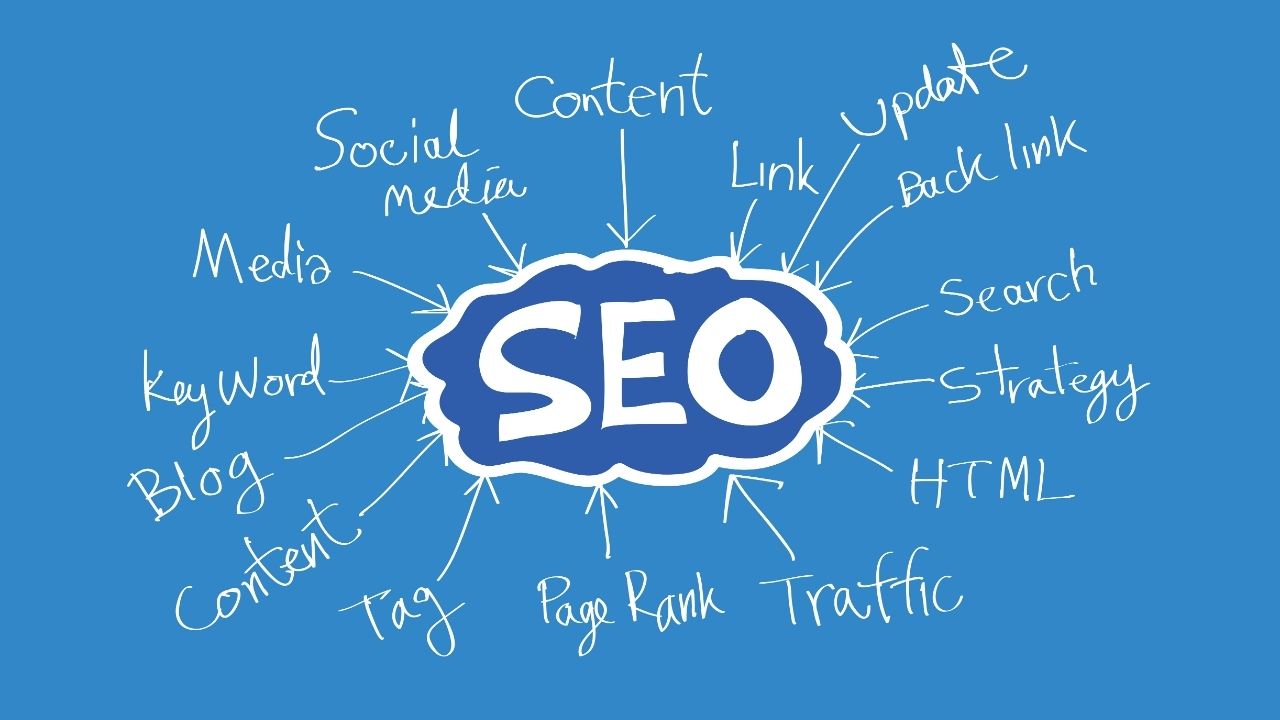

    Regular audits ensure your content meets both requirements. Start with one layer, fix what is misaligned, and measure the impact before moving forward. In AI-driven search, visibility is not just about being present. It is about being consistently selected by AI systems.

  • Why is SEO Important for Dentists?

    Why is SEO Important for Dentists?

    The online presence of your dental clinic functions as the first contact point that potential patients use to connect with your practice. People conduct online searches to check dental services before they decide to schedule an appointment. 

    SEO for dentists functions as an essential element for business expansion that goes beyond its role as a marketing tool. The search results do not provide adequate visibility, which forces skilled dentists to compete against their rivals who appear before them.

    Understanding the Modern Patient Journey

    Today, patients don’t just depend on word-of-mouth recommendations. They use search engines to find answers to their queries. Patients show strong intent when they use phrases that include “emergency dentist near me” and “best teeth whitening clinic.” 

    Your website’s low ranking results in lost opportunities to connect with patients who are actively looking for your services. If we check out the competitor analysis done for some of the top-ranked dental websites, we can see that websites that have been continuously ranked on the first page have invested a lot in localized content, optimized service page content, and technical SEO. 

    Additionally, it can be seen that AI-based search overview results have given more importance to websites with authority, relevance, and user-centric content. In this way, it is difficult for generic websites to compete.

    What Makes SEO So Important for Dentists?

    SEO  for dentists matters because it establishes their online presence and increases their trustworthiness. The dental profession requires trust between dentists and patients because patients require proof of a dentist’s competence through search engine results.

    A properly optimized website establishes better online visibility and helps build website trustworthiness. Here’s why SEO matters:

    • It positions your clinic in front of high-intent patients
    • It builds trust through informative and relevant content
    • It enhances the user experience on all your website pages
    • It enables long-term, sustainable growth

    Unlike other forms of online advertising, which will eventually stop generating new leads once the money runs out, SEO will continue to generate traffic in the future. This is particularly beneficial to dental practices looking to maintain a constant flow of new patients.

    Local SEO: The Game Changer for Dental Clinics

    People use dental clinic search engines to find clinics that match their current location. People want to find a nearby clinic that offers them both convenience and dependable service. Local SEO helps your practice appear in map listings and local search engine results when people search for your location.

    The top competitors in the market have established their Google Business Profile through optimization, which has resulted in customer reviews and consistency in business listing information. The factors that determine ranking results also affect how patients behave.

    A winning formula for local SEO for your dental practice would be:

    • Optimizing your Google Business Profile
    • Using location-based keywords
    • Encouraging patient reviews
    • Creating location-based content

    If done correctly, you can position your practice right in front of people looking to make an appointment.

    Content: The Foundation of Visibility and Trust

    The most important factor for SEO success depends on website content. The dental websites that maintain high search engine rankings provide patients with useful information that they can easily understand.

    Successful clinics operate beyond service offerings to provide answers for actual inquiries that clients present.

    • What to expect during a root canal
    • How to manage tooth sensitivity
    • When to see a dentist for gum pain

    The approach matches the evaluation methods used by modern search engines and AI summary systems to assess website value. The system prefers to rank websites that provide genuine content instead of websites that only display promotional material.

    The organized content structure increases visitor retention, which leads to higher conversion rates.

    Technical SEO: What Happens Behind the Scenes

    The website needs technical SEO to achieve optimal performance, while content brings visitors to the site. The slow loading speeds, poor mobile design, and broken links of dental websites lead to ranking declines according to search engines.

    Search engines favor websites that deliver a seamless user experience. This includes:

    • Fast loading times
    • Mobile responsiveness
    • Secure browsing (HTTPS)
    • Clear site structure

    Competitor insights show that top dental websites need to spend equal resources on content creation and technical optimization work. The best content will not achieve ranking success without its essential base.

    Building Authority Through Backlinks

    Backlinks serve as another essential element that contributes to successful search engine optimization because they establish connections from trustworthy external websites to your site. These links serve as credibility indicators that search engines use to assess website trustworthiness.

    Dental clinics achieve improved authority through their partnerships with local directories, healthcare blogs, and community platforms. The process leads to better search rankings, which result in increased referral traffic over time.

    The value of backlinks depends on their quality, which surpasses the importance of their total number. A few strong, relevant backlinks bring more value than multiple low-quality backlinks.

    Reducing Dependence on Paid Advertising

    Dentists use paid advertisements as their main method to bring in new patients. Ads provide immediate results, but their effectiveness decreases over extended periods. The expenses are increasing, and the market rivalry is becoming more severe.

    SEO provides a more stable alternative. Your website will gain the reputation of an authority, which will attract users to your site without the need to pay for advertising. This will enable you to make the most out of your marketing funds.

    Clinics that combine both approaches, using advertising to boost short-term results and SEO to drive long-term results, are likely to achieve the best results.

    Staying Competitive in an Evolving Digital Landscape

    Maintaining business competitiveness requires continuous adaptation to changes in the digital environment.  The introduction of AI-based search results, together with voice search technology, has created new patterns for users to conduct their online searches. 

    Patients expect to receive all their necessary information with complete accuracy and relevant details, together with immediate access to that information. Websites that adapt to these changes by focusing on user intent, structured content, and technical performance achieve better rankings. The absence of SEO practices leads to a gradual reduction of online visibility for businesses.

    Dentists’ digital marketing plans now require SEO to become their main marketing component.

    Is SEO Worth Investing In?

    For dental practices, SEO is not just a means to improve rankings, but also a means to improve growth, visibility, and trust among patients. It allows dental clinics to reach the right audience at the right time, hence converting searches into actual patients.

    While developing an effective SEO strategy takes time, consistency, and expertise, the benefits are far greater than the initial investment. Dental clinics that invest in SEO reap many rewards, such as improved traffic and brand credibility.

    Final Thoughts

    The method through which individuals seek dental care has shifted significantly. Search engines have become the primary means for acquiring new patients. If your practice is not seen where people are searching, you are essentially missing opportunities.

    SEO is no longer a choice for dentists who wish to be competitive. It is an effective method for establishing trust, increasing visibility, and acquiring the right patient. By putting your patients first, optimizing your website, and staying in sync with search engine trends, you can develop a powerful online presence for your practice.

  • How Does SEO Data Improve Performance Marketing in 2026?

    How Does SEO Data Improve Performance Marketing in 2026?

    Most brands treat SEO and paid advertising as separate efforts run by different teams. That division wastes valuable data. The search queries people type into Google reveal exactly what they want, and that intelligence can sharpen every paid campaign you run.

    Performance marketing agencies like Tandemtide use search behavior data to build smarter audience targeting, write better ad copy, and allocate budget toward the keywords and topics that actually convert. When organic and paid strategies share the same intelligence, both perform better.

    Why Is Search Data So Valuable for Paid Campaigns?

    Search queries are statements of intent. Someone typing “best running shoes for flat feet” is far closer to a purchase decision than someone scrolling past a shoe ad on Instagram.

    This intent data is gold for paid media teams. By analyzing which organic search terms drive the most engaged traffic to your site, you can build paid campaigns that target those same high-intent phrases on Google Ads, Shopping, and even social platforms using keyword-based audience targeting. The result is ad spend focused on people who are actively looking for what you sell rather than people who simply match a demographic profile.

    According to Search Engine Journal, brands that align their paid keyword strategy with organic search data see 20 to 40 percent improvements in click-through rates compared to those that build paid campaigns without search intelligence.

    How Can You Use Organic Data to Build Better Paid Campaigns?

    Turning SEO insights into paid performance improvements follows a clear process.

    1. Pull your top 50 organic landing pages by traffic and conversion rate. These pages tell you which topics your audience cares about most.
    2. Extract the search queries driving traffic to those pages from Google Search Console. Sort by clicks and conversion rate, not just impressions.
    3. Identify high-intent queries that your paid campaigns are not currently targeting. These are immediate opportunities to capture demand you are already generating organically.
    4. Use the language from top-performing organic title tags and meta descriptions to inform your ad copy. This wording already resonates with searchers.
    5. Build remarketing audiences from organic visitors who engaged but did not convert. These users showed real interest and may only need one more touchpoint.
    6. Monitor which organic keywords are losing ranking positions. Shift paid budget to cover those terms while you work on recovering organic visibility.

    This cycle turns your SEO data into a living asset that continuously feeds and improves your paid media performance.

    What Mistakes Do Brands Make When Combining SEO and Paid Data?

    The most common error is treating search data as a one-time input rather than a continuous feedback loop. Pulling keyword data once a quarter and building static campaigns around it misses the way search behavior evolves week to week.

    Another frequent mistake is cannibalizing your own traffic. If you rank number one organically for a high-volume keyword, bidding aggressively on that same term in paid search often just shifts clicks from free organic results to paid clicks that cost money. The smarter approach is bidding on terms where your organic visibility is weak while letting strong organic rankings carry the traffic for free.

    According to Google’s own research, incremental paid clicks (clicks you would not have received from organic alone) account for roughly 89 percent of paid search traffic. This means paid and organic mostly complement each other, but only when managed with awareness of where each channel already performs.

    What SEO Metrics Should Performance Marketers Pay Attention To?

    Not every SEO metric matters for paid campaign optimization. Here is where to focus.

    • Organic conversion rate by keyword: This tells you which search terms attract buyers, not just browsers. Target these in paid campaigns first.
    • Search intent classification: Separate informational queries (“what is”) from commercial queries (“best,” “buy,” “near me”). Paid budgets should prioritize commercial intent.
    • Click-through rate by position: Keywords where you rank on page two with high CTR are strong candidates for paid coverage until organic rankings improve.
    • Content gap analysis: Identify queries competitors rank for that you do not. These gaps represent unmet demand you can capture faster with paid ads than with new content.
    • Seasonal search trends: Use historical search volume data to time your paid campaign launches and budget increases around demand spikes.

    The marketers who outperform in 2026 are the ones reading their SEO dashboards before adjusting their paid media budgets.

    How Is AI Changing the SEO-to-Paid Data Pipeline?

    AI tools now automate much of the analysis that used to take hours of manual spreadsheet work. Automated keyword clustering, intent classification, and trend detection let marketing teams move from insight to action in minutes rather than days.

    The biggest shift is predictive keyword modeling. AI can analyze historical search patterns and flag emerging queries before they reach peak volume. Brands that build paid campaigns around rising terms capture demand at lower cost-per-click before competition drives prices up.

    However, AI works best when guided by human strategy. An algorithm can identify a trending search term, but it takes a marketer to decide whether that term aligns with brand positioning and profit margins. The winning formula is speed from AI combined with judgment from experienced marketers.

    What to Focus On

    • Search queries reveal buyer intent that makes paid campaigns more targeted and efficient.
    • Use top organic landing pages and converting keywords to inform paid keyword selection.
    • Avoid bidding on terms where you already rank number one organically unless incremental testing proves value.
    • Prioritize commercial-intent keywords over informational ones in your paid budget.
    • Use AI for speed in keyword analysis, but apply human judgment for strategic decisions.
    • Treat SEO data as a continuous input to paid campaigns, not a one-time research project.

    The Data Advantage

    Brands that connect their organic search intelligence to their paid media strategy spend less, convert more, and grow faster. The data is already there in your search console and analytics dashboards. The only question is whether your teams are sharing it.

    FAQ

    1. Should I run paid ads on keywords where I already rank organically?

    Only if testing shows meaningful incremental clicks. For branded terms and top-ranking keywords, organic traffic often covers your needs without the added cost.

    2. How often should I update my paid campaigns with new SEO data?

    Review and refresh at least monthly. For fast-moving industries or seasonal businesses, weekly updates keep campaigns aligned with current search behavior.

    3. What tools connect SEO and paid campaign data?

    Google Search Console, Google Ads, and platforms like Semrush or Ahrefs all allow cross-referencing organic and paid performance data. Many agencies build custom dashboards to merge these data sources.

    4. Can SEO data help with social media advertising?

    Yes. High-performing search queries reveal the topics and language your audience responds to. Use this insight to write ad copy and define targeting criteria on platforms like Meta and TikTok.

  • Why Mental Health Services Need to Invest in SEO Today

    Why Mental Health Services Need to Invest in SEO Today

    Mental health providers focus all their energy on patient care. Many clinics forget that patients must find them first. A decade ago, word of mouth was enough to keep a practice full. Now, the first place anyone looks for help is a phone or computer. Online visibility is now a requirement for a growing practice.

    The Rising Demand For Mental Health Support

    Life moves fast, and the pressure of work and family can weigh heavily on anyone. The American Psychiatric Association found that 43% of adults felt more anxious than the year before. People turn to the internet to find therapists, counselors, and support groups.

    If your clinic does not appear in those results, those people will find someone else. You want to be the answer to their search query. Your website can provide a safe space for them to learn about their options.

    Reaching Families With Specialized Needs

    Finding the right provider can be a life-changing moment for a parent. Parents want to find your clinic exactly when they need help for their child. Families are looking for experts who understand behavioral challenges, a search that starts with a specific diagnosis.

    If you rank for particular terms, you reach the right audience. Using professional ABA therapy SEO will help with targeting the right words and bring in leads that actually convert. It saves time for your staff and helps families get help faster. Prioritize quality leads over achieving a high volume of random traffic.

    How Patients Search For Care Today

    The way people find doctors has changed for good. People no longer wait for a referral from a friend: they want to see reviews and read about your services before they call. Over 60% of all searches happen on mobile devices. Such a trend means your site must look good and work well on a small screen.

    If a page takes too long to load, a user will leave. Those seeking help for anxiety or depression may not have the patience for a slow site. Search engines reward sites that provide a good user experience. A fast site shows that you value the time and effort of your patients, meaning you will secure more appointments.

    Building Trust Through Better Connections

    A patient needs to feel safe before they ever step into your office. Content that answers common questions builds that bond early. Marketing data experts shared that patients are 80% more likely to engage with brands that offer personalized experiences. The connection starts with the first click on your link.

    You can create content that speaks to the specific fears of your patients. Showing that you understand their struggle makes them feel seen. You want to offer a path that feels tailor-made for their journey toward wellness.

    Improving Visibility For Local Clinics

    Local search is where most healthcare decisions happen. Your potential patients want a therapist who is close to their home or office. If they search for help “near me,” you want to be at the top of the map. Local rankings depend on many factors that show you are part of the community.

    • Claim your local profile on search engines
    • Add your phone number and address clearly on every page
    • Ask happy patients for reviews on your public profile
    • Use local keywords that mention your city and neighborhood

    Ranking in your city is the best way to get new patients, as most patients will not drive an hour for a therapy session. Optimizing for your area helps you beat out larger clinics. Small practices can win big by focusing on their neighborhood. A strong local presence builds a loyal patient base.

    Measuring Growth And Performance

    Investing in marketing can feel like a gamble if you do not track results. Seeing how long people stay on your site tells you if your content is helpful. You will notice which buttons people click the most.

    If one page has a high bounce rate, you can improve the writing. Check which keywords are driving the most calls to your office. Data takes the guesswork out of your growth strategy and helps you spend your budget on things that bring in revenue.

    Challenges In Mental Health Marketing

    Marketing for therapists is different from selling clothes: you have to follow strict rules about privacy and health data. There are many hurdles to jump to keep your practice safe and legal:

    • Follow all HIPAA rules when handling data online
    • Avoid making promises about results that you cannot keep
    • Keep patient stories anonymous to protect their privacy
    • Focus on education and support instead of hard sales

    Staying safe while growing is possible with a careful plan. You just need a strategy that respects the patient and the law. Long-term success comes from doing things the right way.

    Long-Term Benefits Of Organic Reach

    Paid ads might cost $10 per click or more, depending on your area. Organic growth reduces your long-term marketing spend by letting your content do the work for you. Ads stop working the moment you stop paying for them. Organic rankings are different and can last for years.

    People trust organic results more than paid ads, because they see the top result as an expert in the field. Growing your site takes time, but the payoff is worth it. You are building an asset that grows in value as you add more content.

    Setting Up Your Website For Success

    Your website should be easy to use for everyone. Use large fonts and clear buttons so people can find what they need. Your contact information should be on every page. A simple design works best for mental health sites. Patients who are stressed do not want to go through a maze.

    Use images that make people feel calm and welcome. The colors you choose can impact how a visitor feels about your practice. Soft blues and greens are better than bright reds. Every detail on your site should point toward healing.

    Investing in search visibility makes the path to recovery clearer for anyone who is hurting. You have the skills to help people change their lives. Now, you just need to make sure they can find you. A strong online presence keeps your doors open and your chairs full. Focus on your digital reach today so you can focus on your patients tomorrow.

  • The Top 25 Google Search Engine Alternatives

    The Top 25 Google Search Engine Alternatives

    If you’re like most people, Google is your go-to search engine due to its unmatched popularity and domination. It might not, however, always provide the greatest experience for everyone. Whether you want new viewpoints, increased privacy, or more customized search results, there are numerous options to consider.

    Here are 25 excellent Google search engine alternatives to consider. These search engines each have unique features, privacy benefits, or specialized search capabilities.

    AI-Powered Search Engines

    AI search engines offer numerous benefits, including the capacity to understand context, quicker and more relevant results, and customized experiences.

    They do, however, have drawbacks, including the possibility of bias, privacy issues, and an excessive reliance on technology.

    It’s important to exercise caution while using AI search engines, double-check information from several sources, and be mindful of any potential negative effects. In this manner, you may maximize the advantages while lowering the dangers.

    1. Bing

    Google’s closest rival is Microsoft’s Bing search engine. It offers a variety of search features, such as map, video, and image searches.

    According to HawkSEM, about 27% of US search queries are handled by Microsoft’s Bing.

    Bing offers a range of customizable search settings, such as location settings, privacy controls to control data collection and usage, and safe search filters.

    With the help of Microsoft’s AI technologies, Bing’s search capabilities are improved, outperforming many other search engines in terms of accuracy and contextual relevancy.   

    Bing uses its own search algorithms and crawler, making its SERPs different from Google’s. It also offers Microsoft Rewards, earning users points for searches or shopping. These points are redeemable in Microsoft and Windows stores.

    Bing has its chatbot, Copilot, which provides customized results to users.

    According to Meetanishi Microsoft Bing gets more than 3 billion monthly active users.

    3. Perplexity.ai

    Perplexity AI is a search engine powered by AI that can be accessed via online and mobile applications. Since its launch in 2022, it has grown to 15 million users and answered 250 million questions by July 2024.

    The platform uses AI to provide answers to search queries, providing source links that allow users to explore the original content. While the basic version is free, membership is necessary to access other services like image generation and Copilot, an intelligent assistant that prompts follow-up questions to improve search results.

    However, because it relies on large language models (LLMs) to extract answers, Perplexity can occasionally generate false or misleading results.
    For example, when asked “What are the seven wonders of the world”, Perplexity delivered a clear and informative response, accompanied by helpful citations for further reading.

    4. You.com

    You.com was founded in 2020 by Richard Socher, a well-known natural language processing (NLP) expert and former Salesforce chief scientist. Since its launch, they have served 1 billion queries.

    You.com’s AI-powered search engine provides summary responses to questions. Additionally, they offer a list of websites with content related to your search.

    Even though You.com has its internet crawler, it uses Bing to power its searches. You can select between a private mode, which guarantees that You.com does not gather any of your data, and a personal mode, which provides more customized options. You.com offers both a paid and freemium edition.

    Additionally, the company provides an AI writing helper called YouWrite, an image-generating tool driven by AI, and a Chrome extension.

    You may select from more than 20 different AI models with it, making it the ideal option for AI enthusiasts.

    Mainstream Search EngineschGPT

    Mainstream search engines have established themselves as credible competitors to Google and have retained a small but consistent market share over the last few years.

    5. Yahoo!

    Yahoo! is one of the more popular alternatives to Google, with a decent 2.67% of the market share in 2023.

    Yahoo was around before Google. It started as a web portal and in 1995 developed its search engine. Yahoo’s strength lies in its diversification; in addition to search, it offers services like email, news, finance, and more.

    Since Yahoo! uses Microsoft Bing as its engine, search results are comparable. It has a simple, text-heavy layout for its search results page.

    Yahoo received over 700 million monthly active users and received 3.4 billion monthly visits in 2022 even though their search market share is declining.

    6. Ecosia

    The primary distinction that sets Ecosia apart is its dedication to using ad income for green initiatives, like planting trees.

    Ecosia plants a tree for around every 45 searches you conduct. They give you a customized counter to keep track of the number of searches you’ve done, which demonstrates your direct involvement in reforestation.

    Nearly 210 million trees have been planted by Ecosia to date, and the organization has also committed 85 million euros, or roughly $92 million, to climate action.

    It doesn’t build a personal profile to customize adverts and search results, nor does it keep your search history indefinitely (it gets erased after a week). Additionally, Ecosia is open about the fact that you can disable cookies.

    Additionally, Ecosia asserts that it is carbon-negative, having constructed its solar power plant to power its servers sustainably. Ecosia is free, however, you can gift a tree.  

    7. Aol

    AOL, previously America Online, is a brand marketed by Yahoo! Inc. You still get a start page with selected hot subjects from the news, entertainment, sports, health, food, and finance categories in the online portal game.

    However, it can also be used as a web search engine. In the US, its market share is 0.09%. During the 1990s and 2000s, it was extremely popular.

    It is not the most private search engine because location and activity tracking are enabled by default. On the other hand, you can disable these through the Privacy Dashboard. The search results are powered by partnerships with Google and Bing.

    Privacy-Focused Search Engines

    Protecting your digital privacy might be tough in the present day of targeted ads and tracking. For a more private and safe online search experience, these are the best alternative search engines.

    8. Startpage

    Startpage, headquartered in the Netherlands, provides Google-like search capabilities without tracking users. It is excellent for people who appreciate privacy.

    Instead of searching the entire web, Startpage collects results from numerous search engines such as Google, Bing, and DuckDuckGo, highlighting links that are present across all of them. It also includes a URL generator, a proxy service, and HTTPS capability.

    Startpage had topped 3 million daily searches by 2023, indicating that it was becoming increasingly popular among privacy-conscious users. It also complies with the General Data Privacy Regulation (GDPR), which ensures user data privacy.

    9. DuckDuckGo

    DuckDuckGo is a mainstream search engine, but its main appeal is that it doesn’t collect or store any personal information.

    In 20121 it had substantial growth, managing about 98.79 million search queries per day. DuckDuckGo accounted for 2.13% of the US search market as of December 2023.

    DuckDuckGo’s search results come from over 400 sources, but no personal information is shared with any of them.

    DuckDuckGo is a wonderful solution for those who value their privacy and personal information when exploring the web.

    They have DuckDuckGo Lite, a mobile version of the search engine.

    10. Swisscows

    Swisscows is a privacy-focused search engine headquartered in Switzerland, a country known for its strict privacy rules. It uses semantic information recognition to get rapid and efficient search results without retaining personal information.

    Swisscows is also family-friendly, with automatic filtering of violent and inappropriate content. It avoids using tracking cookies and geolocation. While it uses Bing for web searches, it created its index for the German language edition.

    With over 20 million searches processed monthly in 2018, Swisscows distinguished itself as a search engine that respects user privacy by not collecting or keeping data.

    Swisscows also provides a unique, ad-free music search option that respects user privacy.

    11. Brave Search

    The private search engine Brave Search is produced by Brave Software, the same company that created the privacy-focused Brave browser.

    In 2023, it became completely independent of other search engines such as Bing, relying only on its index to improve user privacy and transparency in search results.

    Brave Search, which is integrated with the Brave browser, provides an ad-free browsing experience while also rewarding users with cryptocurrency, resulting in a unique combination of privacy and earnings.

    Brave Search has grown rapidly, with 24.57 million daily active users as of January 2024. Additionally, it states that over 65 million people use the Brave browser every month for a faster and safer browsing experience.

    12. Gibiru

    Gibiru is a search engine that values privacy and does not censor results. It is ideal for people who want to avoid being tracked by the government or companies. Gibiru’s servers remove all search logs within seconds after processing the query. In March, Gibiru received 2.84 million visitors. It uses a modified Google algorithm to provide search results, so you can get what you’re looking for without worrying about Google tracking you.

    Gibiru also offers a mobile app for anonymous online browsing. Gibiru earns commission when users make purchases or perform activities based on its search results, rather than using personal data for ads.

    Search Engines for Specific Countries or Languages

    These search engines are intended to address the special needs of users in various regions by reflecting local languages and cultural backgrounds. They can adjust to both language and cultural differences.

    For example, Baidu and Yandex adhere to local censorship laws, which influence the material that users see. Similarly, Naver’s design has been modified to South Korean consumers’ preferences.

    Here are some notable examples:

    13. Baidu

    Baidu is China’s leading search engine, with a 66% market share. Its search results cater specifically to the Chinese market, with content hosted on Chinese servers ranking higher in the SERPs.

    Baidu, like Google, provides a variety of services, such as maps, music, movies, and an app store. In addition, Baidu offers a mobile browser and an app.

    14. Yandex

    Yandex is Russia’s top search engine, with more than 50% of the market share. It is well-known for its powerful algorithm, which accurately interprets Russian-language search requests. Yandex is also widely used in Belarus, Kazakhstan, Turkey, and Ukraine.

    Apart from its search engine, Yandex offers a range of services like Yandex.Maps, Yandex.Music, and Yandex.Money, all of which contribute to a smooth user experience.

    It also has an advertising network that lets businesses and organizations reach their intended audiences.

    15. Sogou

    Sogou is a rapidly growing Chinese search engine with a 5% market share in China. It provides an interactive search experience and includes features like WeChat integration, article search, English search, and translation services.

    Sogou is committed to providing professional, accurate, and convenient search results by utilizing its own artificial intelligence algorithms.

    16. Naver

    Naver is the second most popular search engine in South Korea, accounting for 34% of the market share. Its interface is only in Korean, with no English version available.

    As a local search engine, Naver does not index the entire internet. Instead, it concentrates on offering a variety of services, including blogs, news, music, and shopping.

    Furthermore, Naver provides a mobile app for easy searching on the go.

    Charitable search engines

    17. Goodsearch

    Goodsearch is a charitable search engine that donates a portion of its profits to organizations that its users choose. Goodsearch donates $0.01 to the user’s selected charity for each search that is conducted. Yahoo generates the search results.

    But there are a few things you should know about the GoodSearch browser extension. It is categorized as a browser hijacker by PCRisk, which implies that it can change browser settings without the permission of the user, possibly compromising their security and privacy.

    18. YouCare

    YouCare, a charitable search engine founded in France, gives away 80% of its income to various charitable organizations.

    YouCare stands out for being transparent; to confirm the contributions made, go to their donation certificates page. YouCare also has a counter that keeps track of how many searches you’ve done.

    You can also specify where your money can be allocated among the many charitable deeds.

    A Copyright-Free Search Engine

    19. Openverse

    Openverse is an open-source search engine developed as part of the WordPress initiative to assist users locate free and freely licensed content like as images and audio.

    Unlike Google, which provides a broader range of search results, Openverse focuses on a huge, searchable library of open-source media, such as images, audio, and videos.

    It’s excellent for anyone who needs music for movies or photos for blog articles without having to worry about copyright issues.

    Openverse indexes more than 700 million objects from 45 sources, including Wikimedia Commons and Flickr.

    A Revenue-Sharing Search Engine

    20. Yep.com

    Yep.com, created by Ahrefs, positions itself as a unique search engine that prioritizes user privacy by not tracking or selling user data.

    While it monitors the frequency of keyword searches and the click popularity of links, it does not create personal profiles for targeted advertisements. Its business approach encourages direct pay for content providers by offering a 90/10 revenue share.

    Additionally, it does not keep search history, IP addresses, or User-Agent strings indefinitely.

    Knowledge-Based Search Engines

    21. Wiki.com

    Wiki.com collects results from thousands of wikis throughout the internet, making it a perfect search engine for people who value community-driven information, such as Wikipedia.

    Wiki.com increases the accessibility of varied information sources by focusing on collaborative content, which appeals to individuals who value community-led information.

    22. Wayback Machine

    The Internet Archive, often known as the Wayback Machine, is a useful tool for researching historical web pages and much more.

    It serves as a comprehensive online library, providing access to a wide collection of digitized materials such as millions of free videos, books, music, and software.

    23. X (Formerly Twitter)

    X stands out as a fantastic real-time search engine, especially useful during situations when immediate updates are critical. While Google may eventually catch up, nothing beats the speed of a tweet in critical situations.

    X excels in providing minute-by-minute information, making it the go-to platform for those who need quick updates and insights when every second counts.

    Its capacity to supply real-time material ensures that people remain informed and connected during critical events.

    Specialized Search Engines

    Specialized search engines focus on specialized topics or industries, giving users more relevant and focused results than broad search engines such as Google.

    Here are some  examples:

    24. WolframAlpha

    WolframAlpha is a powerful computational knowledge engine that delivers precise answers in a variety of fields, including mathematics, science, and linguistics.

    It is an excellent resource for students, teachers, and professionals.

    The Pro version, priced at $5.49 per month, includes advanced computing and data processing features.

    25. LinkedIn

    LinkedIn is widely known as a business-oriented search engine, with 61 million searches made each week. Its search algorithm promotes the originality of an organization’s LinkedIn Page name; more distinctive names get higher search results. 

    However, overusing keywords might backfire, triggering spam filters and lowering visibility.

    The system takes into account criteria such as the number of followers, connections to the searcher, page activity, and the relevancy of search terms in the organization’s name, all of which influence search ranks.

    Conclusion

    While Google is still the preferred search engine for many people, it’s important to know that it may not always be the greatest fit for your requirements and tastes.

    Exploring other search engines can have numerous advantages, including increased privacy and a more personalized search experience. Whether you want to share entertaining material or protect your online privacy, these options can help.

    From privacy-focused platforms to those with unique features and eco-friendly solutions, there is a search engine for everyone. We encourage you to experiment with these alternatives and share your results.

    Which ones did you try, and how did they affect your search habits?

  • How Does SEO Work Differently in China in 2026?

    How Does SEO Work Differently in China in 2026?

    If you understand Google SEO, you might assume those same principles apply in China. They do not. The Chinese search ecosystem operates on different platforms with different algorithms, different content preferences, and different user behaviors.

    Agencies specializing in China digital marketing strategies help Western brands adapt their search visibility approach for a market where Baidu, WeChat Search, and Xiaohongshu SEO replace the Google-centric playbook entirely. Understanding these differences is not optional. It is the foundation of any viable China market strategy.

    Why Is Baidu Not Just “Chinese Google”?

    Baidu holds approximately 60 percent of the Chinese search market. While it serves a similar function to Google (answering user queries with ranked results), its ranking factors, content preferences, and ecosystem integration work very differently.

    Baidu heavily favors content hosted on its own ecosystem: Baidu Baike (its encyclopedia), Baidu Zhidao (Q&A platform), Baijiahao (its publishing platform), and Baidu Tieba (forums). Western brands that only optimize their own website miss the platforms where Baidu directs the most traffic.

    According to Search Engine Journal, Baidu’s algorithm places greater emphasis on domain age, ICP filing (a Chinese government registration for websites hosted in China), and content freshness than Google does. Pages without an ICP filing face significant ranking disadvantages, which is why many Western brands use Baidu’s own publishing tools as their primary search presence rather than relying solely on their global website.

    What Chinese Platforms Should You Optimize For?

    Search in China extends far beyond Baidu. Here is where Chinese consumers actually find brands and products.

    1. Baidu: Traditional search queries, especially for informational and navigational intent. Essential for brand visibility when consumers search your company name or product category.
    2. WeChat Search: Over 1.3 billion users search within WeChat for articles, mini-programs, and official accounts. WeChat SEO requires optimizing your Official Account content with relevant keywords.
    3. Xiaohongshu (Little Red Book): Product discovery searches dominate this platform. Users search for product reviews, comparisons, and recommendations before purchasing.
    4. Douyin (Chinese TikTok): Video search is growing rapidly. Users search for product demos, tutorials, and reviews directly within the app.
    5. Tmall and JD.com: Product listing optimization on these ecommerce platforms functions like Amazon SEO. Keyword-rich titles, backend search terms, and review volume drive visibility.
    6. Zhihu: China’s equivalent of Quora. Long-form answers to product and industry questions build topical authority and drive qualified traffic.

    A comprehensive Chinese search strategy addresses multiple platforms because Chinese consumers use different platforms for different stages of their purchase journey.

    How Do You Create Content That Ranks on Chinese Platforms?

    Chinese content optimization follows some universal SEO principles (keywords, relevance, structure) but applies them within a different cultural and technical context.

    Content must be written in native Mandarin by speakers who understand current slang, cultural references, and platform-specific formatting conventions. Translated English content performs poorly because it misses the linguistic nuance that Chinese algorithms and readers expect.

    Visual content matters more in Chinese SEO than in Western markets. Xiaohongshu posts with professional photography and styled layouts significantly outperform text-heavy posts. Douyin videos need strong hooks in the first two seconds. According to McKinsey’s China consumer research, Chinese consumers spend more time engaging with visual product content than consumers in any other major market.

    Content frequency also differs. Chinese platforms reward consistent publishing more aggressively than Western search engines. A WeChat Official Account that publishes weekly builds followers and search authority far faster than one that posts monthly.

    What Technical SEO Requirements Apply in China?

    Chinese technical SEO has unique requirements that do not exist in Western markets.

    • ICP filing: Websites hosted in mainland China require an ICP (Internet Content Provider) license from the Chinese government. Without it, your site loads slowly from overseas servers and ranks poorly on Baidu.
    • Hosting location: Baidu strongly prefers websites hosted on Chinese servers. Offshore hosting creates latency that hurts both user experience and search rankings.
    • Mobile-first design: Over 95 percent of Chinese internet users access the web via mobile devices. Pages that are not optimized for mobile perform poorly across every Chinese platform.
    • Character encoding: Ensure your site uses UTF-8 encoding for proper Chinese character display. Broken characters destroy credibility instantly.
    • Baidu webmaster tools: Register your site with Baidu’s webmaster platform (ziyuan.baidu.com) to submit sitemaps, monitor indexing, and receive crawler notifications.
    A marketing analyst reviewing Chinese digital marketing performance data

    Technical compliance is the price of entry. Content quality and platform strategy determine how far you go after clearing the technical baseline.

    Can Western Brands Compete With Chinese Companies on Search?

    Yes, but not by outspending them. Western brands compete by offering what Chinese competitors cannot: authentic international heritage, product quality perception, and the novelty of a genuine foreign brand.

    Chinese consumers actively seek out Western brands in categories like luxury, beauty, health supplements, baby products, and premium food. The “imported” label carries premium positioning that local brands spend heavily to counteract. This built-in advantage means Western brands can achieve visibility on Chinese platforms without matching the marketing budgets of domestic giants.

    The key is combining that brand advantage with local execution. A French skincare brand that publishes beautiful Xiaohongshu content in native Chinese, partners with relevant KOLs, and optimizes its Tmall listing competes effectively against both local and international rivals.

    Chinese SEO Essentials

    • Baidu dominates traditional search, but WeChat, Xiaohongshu, and Douyin handle growing shares of discovery.
    • Content must be created in native Mandarin by speakers who understand platform-specific conventions.
    • Visual content outperforms text-heavy content across nearly every Chinese platform.
    • ICP filing and mainland China hosting are technical requirements for serious Baidu ranking.
    • Chinese consumers search multiple platforms at different purchase stages: Baidu for information, Xiaohongshu for reviews, Tmall for purchasing.
    • Western brands compete through authentic international heritage combined with localized execution.

    Search Works Differently Here

    The principles of SEO are universal: understand what people search for and give them the best answer. But the platforms, the algorithms, the content formats, and the cultural context in China are so different that Western playbooks need complete rebuilding rather than minor adjustments.

    FAQ

    1. Does Google work in China?

    No. Google, along with Facebook, Instagram, and YouTube, is blocked in mainland China. Baidu, WeChat, and domestic platforms serve the functions that Google handles in Western markets.

    2. Do I need a Chinese website to rank on Baidu?

    A Chinese-hosted website with an ICP filing performs best. However, brands can also build search visibility through Baidu’s own platforms (Baijiahao, Baidu Zhidao) and Chinese social media without a standalone website.

    3. How important is Xiaohongshu for brand discovery?

    Extremely important for consumer brands. Xiaohongshu functions as the primary product research platform for beauty, fashion, food, and lifestyle categories, with over 300 million monthly active users.

    Can I manage Chinese SEO from outside China?

    You can oversee strategy remotely, but content creation and platform management should be handled by native Chinese speakers. Working with a local agency provides the cultural and technical expertise that remote management cannot replicate.

  • How Smart SEO Strategies Separate Growing Businesses from Stagnant Ones

    How Smart SEO Strategies Separate Growing Businesses from Stagnant Ones

    Search visibility has never been evenly distributed, and that gap is only becoming more obvious. Some businesses continue to build momentum, appearing consistently across high-value search terms, while others plateau despite ongoing effort. The difference is rarely about budget alone. It comes down to how SEO is approached, prioritised, and sustained over time.

    If you have invested in content, optimised your pages, or worked on keywords but still feel stuck, you are not alone. Many businesses reach a stage where progress slows, even though activity continues. This often signals a deeper issue with strategy rather than execution.

    Working with a leading SEO agency in Auckland can help uncover these gaps early, but understanding what separates strong strategies from weak ones gives you a clearer sense of where things may be going wrong.

    Strategy Creates Direction While Activity Creates Noise

    It is easy to assume that doing more leads to better results. Publishing more blogs, targeting more keywords, and updating pages more frequently all feel productive. However, without a clear direction, these actions often fail to build momentum.

    Effective SEO starts with intent. That includes understanding what your audience is searching for, how those searches connect to your services, and where real opportunities exist. When this foundation is missing, content becomes scattered. Pages compete against each other. Rankings fluctuate without stability.

    A strong strategy connects each action to a broader goal. It ensures that every page, keyword, and update contributes to long term growth rather than short term movement.

    Growth Comes From Consistency, Not Spurts of Effort

    One of the most common patterns in underperforming SEO campaigns is inconsistency. Businesses invest heavily for a few months, see some improvement, then shift focus elsewhere. Over time, this disrupts progress and weakens overall performance.

    Search engines respond to signals that build gradually. Regular updates, ongoing optimisation, and consistent publishing patterns all contribute to how a website is evaluated. When these signals appear sporadic, it becomes harder to maintain rankings.

    Businesses that continue to grow tend to commit to SEO as an ongoing process. They refine existing content, expand on what is already working, and maintain a steady pace rather than chasing quick spikes in traffic.

    Authority Has Become a Defining Factor

    Ranking well today involves more than relevance. Search engines are increasingly focused on trust, credibility, and demonstrated expertise. This is particularly important in competitive industries where multiple businesses target similar keywords.

    Authority is built through content that answers questions clearly, reflects real knowledge, and aligns with user intent. It is also influenced by external signals such as backlinks and brand mentions. These factors work together to shape how a website is perceived.

    Low quality or surface level content may still get indexed, but it struggles to compete. Pages that provide depth, clarity, and accuracy are more likely to maintain visibility over time.

    Technical Foundations Still Shape Performance

    Even the most well written content depends on a solid technical structure. Issues with site speed, indexing, or navigation can limit how effectively search engines interact with your website.

    Technical SEO often operates in the background, which makes it easy to overlook. However, problems in this area can quietly hold back performance. Pages may not be indexed properly. Load times may reduce engagement. Internal linking may fail to support key content.

    Strong performing websites typically address these elements early and continue to monitor them. This creates a stable base that allows other efforts to deliver stronger results.

    Plateaus Often Signal a Need for Strategic Change

    It is common for businesses to see early improvements, followed by a period where growth slows. Traffic levels off, rankings stabilise, and new gains become harder to achieve. This stage can feel confusing, especially when ongoing work is still being done.

    Plateaus often indicate that initial tactics have reached their limit. What worked at the beginning may no longer be enough to compete. At this point, refining the strategy becomes essential.

    This could involve targeting more competitive keywords, improving content depth, or strengthening authority signals. It may also require a closer look at competitors who are continuing to gain ground.

    SEO Works Best When Aligned With Business Goals

    Traffic on its own does not define success. If visitors are not converting, engaging, or taking meaningful action, the value of that traffic becomes limited.

    Strong SEO strategies align closely with business objectives. That might involve focusing on high intent keywords, improving conversion paths, or ensuring that content supports key services. When this alignment is clear, results become easier to measure and more meaningful.

    Without this connection, SEO can feel disconnected from overall performance. Rankings may improve, but the impact on the business remains unclear.

    Experience Shapes Better Decision Making

    SEO is not static. Algorithms change, search behaviour shifts, and new competitors enter the market. Responding to these changes requires more than basic knowledge. It requires context and the ability to interpret patterns over time.

    Experience helps identify what matters and what does not. It allows for better prioritisation, clearer strategy, and more consistent execution. This becomes particularly valuable in competitive markets where small differences can influence outcomes.

    External expertise often brings a broader perspective. It introduces structure, identifies missed opportunities, and helps maintain consistency across all aspects of SEO.

    Long Term Thinking Drives Sustainable Results

    Businesses that continue to grow their search presence tend to think beyond immediate gains. They invest in systems that support ongoing improvement rather than isolated wins.

    This includes building content that remains relevant, strengthening authority over time, and maintaining technical performance. Each of these elements contributes to a more stable and predictable outcome.

    Short term tactics may deliver temporary increases in traffic, but they rarely sustain performance on their own. Long term thinking creates a stronger foundation for continued growth.

  • 7 Best Blogger Outreach Services To Grow Your Brand 

    7 Best Blogger Outreach Services To Grow Your Brand 

    We live in the digital age, where brands and companies employ various methods to stay connected with their clients and thrive in business. One highly effective approach is tapping into top-notch blogger outreach services.

    These services open doors for collaboration with influential figures, boost brand visibility, and secure mentions from high-authority sources. If you haven’t incorporated blogger outreach into your content strategy, now’s the perfect moment to do so.

    This post delves into the finest blogger outreach services to help your business flourish. But before we dive in, let’s take a moment to grasp the essence of blogger outreach.

    What is Blogger Outreach?

    Blogger outreach is a strategy to foster relationships with bloggers, aiming to fulfill content marketing objectives or meet SEO (KPIs). Essentially, it entails brands or companies reaching out to well-known bloggers, influencers, or publishers to amplify the promotion of their products or services.

    The core goal of blogger outreach is to sway individuals with substantial, targeted audiences into discussing your business and outsourcing links to your website. This approach ultimately drives more traffic and enhances sales.

    Why are Blogger Outreach Services Necessary?

    Image Source: stylefactoryproductions.com

    1. Outreach Services Can Elevate Your Visibility

    Every brand must have an online presence to thrive in this fast-paced and technologically driven world. However, creating a website is not enough; you need to promote it. The more visible your brand is online, the more people within your niche will visit your website. 

    Therefore, you can reach a large audience quickly by featuring your content on trendy blogs or websites. This way, you can improve your brand’s visibility, leading to an increased conversion rate. 

    Plus, niche edits increase visibility, boost your site’s search engine ranking, and draw more organic traffic, strengthening your SEO campaign.

    2. Outreach Services Connects You With Your Target Audience

    Another important of blogger outreach is that it can connect you to your targeted audiences. You will promote your products or services on sites with well-established online presence and publishing-related niche products. This will allow you to connect with a specific audience, thus helping you to get relevant and targeted traffic to your site, leading to a better return on your investment.

    3. Blogger Outreach Services Provides an Incredible Way to Earn Backlinks

    Many corporations try to gather as many credible backlinks as possible because they lead more prospective clients to their websites. Plus, the more backlinks you buy and put on your site from trusted and high-authority sites, the better your site’s position dominates the SERPs. So, by engaging influential bloggers, you’ll increase your backlinks and reap the rewards it yields. Discover how many backlinks you need on page 1 and increase your online visibility.

    4. Blogger Outreach Services help Increase Trust and Credibility

    Earning trust from customers is challenging, particularly for online businesses. Nevertheless, when a high authority or reliable blog promotes your products or services on their site, your potential customers are more likely to trust the brand, particularly one with a memorable brand name that sticks with them.

    Therefore, by hiring an influencer in your niche market, you can establish trust and credibility, which helps build loyal relationships for your brand, resulting in more sales and engagement. To manage influencer partnerships and outreach roles effectively, especially when working with remote teams, platforms like Wisemonk offering EOR India services can support compliant hiring, contracts, and payroll, allowing brands to focus on building authentic relationships and growing credibility.

    5. Blogger Outreach Services Are Cost-Effective

    Marketing is a fundamental part of any business, but you need to be heedful and not invest too many resources into it; you won’t see the returns. Luckily, blogger outreach is a cost-effective promotional strategy that can help you boost your marketing and SEO strategy. You’ll reach your intended audience through the influencer’s work without spending too much. 

    Best Blogger Outreach Services You Can Consider in 2026

    1. OutreachPete

    One of the best blogger outreach services that will make your outreach campaigns easy is the OutreachPete. These providers deliver a reliable, stress-free solution to build links at a competitive price. In addition, every link published from this site is within a niche-relevant post on a relevant site, ensuring that you get the absolute best placement for your money.

    Unlike other blogger outreach services, OutreachPete ensures that every site they work on generates organic traffic. It defeats DA, DR, TF, or any other metric as it demonstrates that Google values the site. In addition to adding DA, DR, and organic traffic, they look further into traffic patterns to ensure no big drops.

    You will be assigned a dedicated account manager if you take up a monthly subscription. The manager will work with you monthly to understand your needs and ensure they are always met.

    The pricing plan starts at $140 per month, but depending on your desired services, you can choose others priced at $200 and $270. 

    2. Rhino Rank

    Another excellent outreach provider that will bolster your rankings, drive traffic, and improve your revenue is the Rhino Rank. They will help you find relevant content for your project or site at a relatively affordable price. Amazingly, they specialize in SEO results and ensure you have significant experience working with them. 

    Rhino Rank provides guest posts and curated links to help increase your site’s rankings on search engine result pages. Most significantly, it offers more curated link services, which is the unique offering they are known for. Additionally, they will provide complete control of their link-building service. You can pick the URLs you want to boost, insert your niche, and add anchor texts.

    If you select Rhino Rank services, you will receive the services for as low as $95 as your initial investment. With this investment, you can enjoy the unique and high-quality services that this company has to offer.

    3. Outreach Desk

    One of the most relationship-focused blogger outreach services you can trust is Outreach Desk. This provider operates on the philosophy “We Define Success Through Connections,” making them stand out from agencies that treat outreach as mere transactions. They position themselves as architects of digital relationships, building authentic partnerships with bloggers and website owners.

    Unlike traditional services that rely on mass email blasts, Outreach Desk invests time in cultivating real editorial relationships with influential bloggers in your niche. Every outreach campaign is personalized and manual, ensuring that your brand collaborates with bloggers who genuinely resonate with your target audience.

    What sets them apart is their commitment to quality over quantity. They specialize in blogger outreach, guest posting, and strategic link placements on high-authority blogs. Their white-hat SEO practices ensure all efforts comply with search engine guidelines, protecting your site while building sustainable organic growth.

    If you take up their services, you will receive transparent reporting with full visibility into campaign progress. They offer flexible packages tailored to your specific business goals and budget.

    The pricing structure varies depending on the domain authority and niche relevance of the bloggers you want to connect with, ensuring every investment builds meaningful relationships that deliver lasting value.

    4. OutreachMama

    OutreachMama offers two link-building services: a pure outreach package and a guest posting one. The most popular option is pure outreach, which works more like a PR service than an SEO agency. 

    This link-building service involves strategy design, pitching, prospecting, outreach, high-quality content creation, reply handling, attaining links, and reporting. It is meant to help you grow your link profile and keep your site in line with Google’s evolving algorithm.

    The Guest Posting Service gives you access to existing blogger connections from OutreachMama. Establishing these blogger connections is rigid and seeks to ensure they meet certain thresholds. Some necessary metrics include DR, DA, and organic traffic.

    5. Ninja Outreach

    Ninja Outreach is a web-based influencer outreach site that helps create thriving outreach campaigns. With a database of millions of users, you are guaranteed to find the best influences from different niches worldwide.

    This outreach service provider filters through millions of influencers on different social media platforms, particularly on Instagram and YouTube, to find the ones that will capture your audience’s attention.

    In addition, they will help manage your outreach or marketing campaigns through a built-in CRM. You can add team members, organize leads, filter results, and track your history. You can hire them to provide influencer marketing services if you have issues increasing your website’s search engine visibility.

    6. LinkPitch.io

    LinkPitch.io is a service provider that specializes in outreach-oriented link-building campaigns. Amazingly, they customize their services depending on each client’s needs. They mainly focus on building links that will, in the long run, impact your business or brand.  

    They pride their services on their integrity and standard of quality. The price plan depends on the domain authority of the site linked to you, but they range from $100 to $350 per link.

    7. Forward Linking

    Forward Linking provides a customized link-building service that enables you to be featured on relevant and authoritative websites. This way, you can increase Google rankings, improve brand exposure, and boost levels of targeted organic traffic. In addition, they ensure that your site or brand is up-to-date with current trends in the digital marketing space and search engines. 

    Forward Linking pledges absolute links and traffic. The best part is that all their outreach strategy can be described as transparent, personalized, relevant, ROI-focused, and long-term.

    What to Consider Before Launching a Blogger Outreach Campaign

    Before contacting influencers or bloggers, there are some primary considerations you must think about. Below are some of the significant factors you need to follow: 

    1. Set a Clear Goal

    Before launching your blogger outreach campaign, you must identify what you want to achieve from the campaign. Whatever goals you set will largely depend on the resources you have. 

    We recommend choosing a goal that’s measurable and trackable. For instance, you can publish at least three posts every month in the beginning or increase your site’s traffic by ten percent in the next couple of months. 

    Under this section, you must decide if you will do all the outreach yourself or contact an agency to help offer courses for beginners. That said, it’s necessary to note that doing it yourself can take much longer, especially if you are just starting. 

    2. Have Detailed Success Criteria

    This step is similar to setting goals, but it’s more specific. For instance, if you set a goal to increase your audience in the next couple of months, you need to state what you need to do to achieve this goal. For instance, to improve your audience successfully, you need to boost engagement, create relevant and valuable content, and share on social media.

    3. Find the Right Bloggers

    Identifying the influences or bloggers you will use is also essential. Remember, not every influencer or blogger you will contact will say yes; therefore, you need a long list of prospects you want to work with. Using a social accounts lookup can help you find and verify the influencers’ active social profiles, making your outreach more targeted and effective.

    With thousands of blogs in different niches, finding one that can help make a difference in your business is challenging. When researching or selecting bloggers, we recommend picking them based on the following criteria:

    1. Find one from your niche
    2. Check how long they’ve been in the blogging business
    3. Their writing tone
    4. Their follower count
    5.  Level of engagement they get from their audience.

    You can successfully find bloggers using Google, social media, SEO tools, or Content Explorer. The main goal is to find quality bloggers relevant to your niche.

    4. Connect With the Blogger on the Social Web

    Before contacting the influence or blogger for a collaboration, you should consider following them or connecting with them on social media. This way, you can evaluate how well they perform. 

    As you research bloggers, take notes on their content and personality. You can use this information to create prospect descriptions. Prospect descriptions make personalized pitches feel more organic.

    5. Email the Prospect 

    When you are sure you are okay working with a specific blogger, it’s time to email them. Most influencers or bloggers will have their email addresses on social media platforms. If not, you can use paid email lookup services to help you contact them.

    Now that you have their email addresses, you can contact them to begin the process. Remember to write personalized emails where possible and put extra effort into those VIP bloggers. For businesses handling outreach at scale, partnering with an email agency or cold email companies can help streamline communication, improve response rates, and maintain consistency across campaigns.

    Blog Outreach Best Practices to Consider

    1. Introducing yourself and your brand is always a good idea when contacting potential bloggers. Then, you can explain why they would be interested in featuring your product or service on their site.
    2. Always offer high-quality content. Wherever posts you post on your site, be it a guest post, sponsored post, or simply helpful information, it needs to be relevant and well-written.
    3. Be patient. Most bloggers and influencers are busy, so they might take time to respond to your request. So don’t be disheartened if you don’t hear back right away.
    4. Follow up. After you have sent the initial email, follow up with emails or reach out to the blogger/influencer on social media.
    5. When communicating with the prospect, you should always be professional. Keep in mind you are representing your brand.

    Conclusion

    With the right blogger outreach service, you can increase backlinks, organic traffic, and sales. However, choosing the right provider isn’t as easy as it seems. It all comes down to your budget, expertise, and the current state of your site.

    Hopefully, this blog post will help you reach your final decision. In addition, the above services can help you launch your outreach campaigns and achieve greater success. Best yet, they can help you build relationships with the right influencers in your niche.

    Featured Image source: similarweb.com

  • How Brands Can Improve Visibility in LLM Search Results

    How Brands Can Improve Visibility in LLM Search Results

    Large language models (LLMs) are essential in the fast-changing digital field because of their ability to retrieve information and make decisions. LLMs are used in information-gathering processes in ways ranging from AI chatbots to virtual assistants. There is a different opportunity presented to businesses. Optimizing your brand’s online presence and understanding LLMs can help your brand differentiate from the competition in a market dominated by AI-based LLM usage.

    For companies looking to increase their AI-driven search performance, Dageno AI provides insights and strategies to ensure your brand is seen and recognized effectively.

    Recognizing LLM Search Engines and Their Implications

    LLMs search natural language based questions and choose relevant and credible data to provide answers. LLMs operate differently from “traditional” search engines, which perform keyword matching. They are capable of understanding a user’s “intent, meaning and context” LLMs search natural language based questions and choose relevant and credible data to provide answers.

    Simply having SEO knowledge is not enough. Sturdy, premium, adept and relevant data is more valuable than simply having noticeable, and well-structured data.

    LLMs are designed to recognize and process the following:

    • Relevant context in data
    • The credibility of the information presented
    • The recency of the data and updates
    • The organization and quality of the information

    In order to improve the chances of your brand being used in AI generated answers and suggestions, you can improve the quality of your brand data in AI generated answers and suggestions.

    Ways to Increase Brand Recognition

    Brand awareness is key for LLMs to promote products and services. Here are a few ways to improve brand awareness.

    1: High-quality and relevant content

    LLMs focus on high-quality content that is coherent and relevant to the query and the user. Write detailed content, guides and articles that discuss your niche and use a clear and logical structure to do so, with headings, bullet points, and a logical sequence for the content.

    • Automate your content while trying to match the user’s prompt.
    • Cover the whole context by covering the multiple facets of the topic.
    • Content should show the update to retain relevance and content accuracy.

    2: Metadata and structured data

    Data structuring allows LLMs to understand the covered content. They can improve prompts to search AI and integrate LLMs into products. Data structure and schema mark technical elements such as:

    • Product Data
    • Review and rating data
    • FAQ and how to tutorial
    • Event data

    If the meta data is properly implemented, AI prompts will consider and improve the content focus.

    3: Brand trust and credibility

    LLMs focus on reputable, credible and trustworthy sources. Brand trust and credibility impact AI recognition. Relevant methods include:

    • Publishing original research
    • Reputable sources backlinks
    • Review
    • Reputable community social media engagement

    The reliability of the content is established by LLMs and helps gain LLMs recognition.

    4: Increase User Engagement

    Engagement metrics describe the relevance and usefulness. Over-the-top Language Models may consider user interactions as site visitors’ retrieved documents, and the AI system may focus on user interactions. Some of the ways we can achieve that include:

    • Straightforward and simple language
    • Content that is interactive, for example, quizzes and polls, and in the case of videos movement can be used to add interactivity
    • Navigation on the site, and the site’s engagement and responsive interface

    The engagement of human users is the direct positive impact but for AI systems, engaging your users signals that your brand is valuable.

    5: Track Performance and Optimize

    Keeping a regular feedback loop gives brands the opportunity to optimize their strategy regarding the analytical data. Focus on the reach of the content, the engagement, and the visibility of the content to the AI. Make modifications to the content, settings, and structure of your website. Additionally update the parameters in the documents to help your website align with the requirements of the LLM and user behavior.

    What Are The Positives When Prioritizing LLM Search Visibility?

    Optimizing LLM search results has a lot of positive outcomes.

    • Increasing brand awareness: Your brand appears in AI generated responses, even in the early stages of customer decision making.
    • Increasing trust and authority: LLM’s are capable of identifying trustworthy and reputable content. Recognized brands enhance their brand’s authority.
    • Increasing engagement: LLMs are designed to optimize content. This should increase customer engagement.

    Conclusion

    The increasing number of AI tools to drive search is a challenge and an opportunity. To remain relevant and useful to users, a search drive must be built on AI Optimized tools.

    Strategies to increase brand visibility in LLM search results. All powered tools driving search results will recommend, trust, and get business visibility and growth.

  • How to Turn Reddit Conversations into Lasting Brand Equity

    How to Turn Reddit Conversations into Lasting Brand Equity

    While there are several ways to build brand equity, Reddit can serve as a perfect launchpad for brands in 2026 and beyond. Brand equity is the value a brand creates for its products or services, derived from positive consumer perceptions, trust, and emotional connections. Now, how can Reddit help?

    Reddit ranked as the fifth-highest-visibility domain in Google’s organic search results in 2024. Moreover, in 2025, the platform accounted for 40.1% of all AI-related search citations, bypassing Google. Based on these stats, we can conclude that Reddit can help improve brand equity.

    While these are just numbers, there are some tested ways to convert Reddit conversations into brand equity. In this blog, you will learn about these approaches, what brand equity is, and why Reddit is ideal for building it.

    The Role of Reddit in Modern-Day Search

    If you are a regular internet user, you may have noticed that Google has been listing Reddit results more frequently in its SERPs since the AI rollout. Reddit content and subject matter results are 400% more visible on Google. In fact, Reddit saw a 1,328% increase in Google search visibility between July 2023 and April 2024.

    These stats show that if you target the right subreddits on Reddit, you can nail the process of building brand equity. Note that building brand equity is not a sprint; it is a marathon. It takes time. The key aspects of Reddit that can help you build brand equity are:

    • Excellent User-Generated Content
    • Dedicated Reddit communities
    • Upvoter System

    How Reddit Dominates AI Overviews and LLM Citations

    Those who work with Google Search and LLMs like ChatGPT and Gemini know that your content no longer needs to be keyword-heavy to rank. But your content has to be deep, answer user queries clearly, and drive engagement.

    Today, Reddit dominates AI Overviews and LLM citations, but why?

    1. Google signed a $60 million deal with Reddit to access its user-generated content. This deal also allowed Reddit to increase its content in Google Search results.
    2. Reddit serves as a source of user-generated content, real-world experiences, niche answers (such as tech fixes and travel tips), and community consensus. These aspects are required in the content by Large Language Models (LLMs).
    3. The upvotes and downvotes feature of the Reddit community acts as a built-in quality filter, signaling to AI which information is reliable and helpful.
    4. Subreddits host deep dives into specific topics, allowing LLMs to access highly specialized knowledge.

    What Is Brand Equity and What Comprises It?

    Brand equity refers to the intangible value a brand adds to a product or service based on how customers perceive, recognise, and feel about it. A strong brand equity means consumers are more likely to choose and pay a premium for that brand over competitors because of positive associations and trust built over time. It plays a key role in ensuring customer loyalty, higher market share, and long-term business success.

    Brand equity is typically comprised of components such as:

    • Brand awareness
    • Brand associations
    • Perceived quality
    • Brand loyalty
    • Brand image
    • Brand identity

    All these factors shape how the brand is perceived and valued in the marketplace. A positive brand equity can influence purchasing decisions, pricing power, & competitive advantage.

    What Makes Reddit (and Online Communities) Ideal for Building Brand Equity?

    As mentioned, brand equity is the value a brand creates for its products or services, based on positive consumer perceptions, awareness, loyalty, and associations. Brand equity is not as simple as boosting sales or customer count. It goes deeper than that, originating from positive customer experiences, excellent product and service quality, and more aspects over time.

    For example, Apple is known for its innovation and loyalty. Nike symbolizes quality, community, and premium experiences. But what makes Reddit and other communities ideal for brand equity? Here are some reasons.

    1. Niche Communities: By focusing on niche communities across subreddits with varying interests, hobbies, and industries, brands can target highly relevant, engaged audiences who are already passionate about related topics.
    2. Authenticity and Transparency: Platforms like Reddit promote authenticity and transparency. Since anyone can share their ideas anonymously, brands can learn what users think. Brands that want to succeed must adopt a human voice, engage in genuine conversations, and be transparent about their affiliation and motives.
    3. Direct Access to Unfiltered Feedback: With access to Reddit, brands can listen to unfiltered customer feedback. This helps businesses to gain insights, improve products, and address customer concerns.

    “Building trust through open participation in Reddit conversations can take time, but it is important. While brands stay consistent and honest and provide helpful information, they become trusted voices in areas where traditional advertising isn’t accepted,” said Jason McMinn, Founder of McMinn Law. “In general, it takes around 12-18 months to get a measurable impact and drive awareness and engagement.”

    To make it easier to understand what customers say on social media or forums like Reddit, brands can use tools such as Mentionlytics or Mention. These platforms offer several notable features that help brands gather unfiltered user feedback, including issues, opinions, and interests. These include social media monitoring (capturing everything your brand is mentioned on Reddit), sentiment analysis, instant notifications, and hashtag tracking.

    How to Turn Reddit Conversations into Brand Equity | Step-by-Step Strategy

    If you want to level up the brand equity like Apple and Nike, follow the steps elaborated below:

    1. Research & Identify the Right Subreddits and Communities

    The very first step is to identify the right subreddits on Reddit. Depending on your goals and plans, identify relevant subreddits. To do this, you must identify some primary target keywords (around 15-20). Google these keywords, and you might see Reddit threads appearing in Google results.

    Make a note of these threads and the subreddits from which these threads come. With this, you will learn where your potential audience is already engaged. You can invest in any 4-5 subreddits. Make sure you also check whether the subreddit is active. For example, don’t go by subscriber count alone; check for recent posts and daily activity.

    1. Participate Authentically | Be a Redditor First, Marketer Second

    Reddit is all about organic participation. You must engage organically and authentically with the subreddits you have shortlisted. Becoming an active user will help you learn the tone, culture, and norms of various subreddits. While there is no specific documented time for participation before marketing your brand, it is best to divide your efforts into an 80/20 ratio.

    Participate for 80% of the time and promote for 20%. Make sure you view and engage with 10 posts before you create one.

    1. Share Valuable, Helpful Content (Not Ads)

    As Reddit is all about participation, you must ensure that you share only valuable and helpful content. For example, if you run a law firm SEO agency, you should search for relevant queries like law firm marketing or lawyer seo marketing, and answer them promptly and in detail.

    To make it better, you can focus on making catchy images, hosting AMA threads, adding text posts to invite discussions and providing how-to guides, tips, or answers. Focus on real-world challenges of the users and avoid any early promotional posts.

    1. Humanize Your Brand | Use Real Voices, Not Corporate Speak

    Always remember that Reddit users especially value honest, conversational engagement over polished marketing talk. Therefore, it is best to use your real voice instead of corporate speech. Focus on using conversational, relatable language that reflects genuine human tone and emotion instead of formal buzzwords or salesy phrases.

    Share authentic stories, behind-the-scenes content, and real responses that show empathy, personality, and understanding of your audience’s needs. Your real voice can help build trust and deepen emotional connection.

    1. Monitor Conversations & Use Feedback to Shape Brand Narrative

    To shape a strong brand narrative, actively monitor user conversations and feedback on platforms like Reddit. Use social listening to track sentiment, emerging trends, and what people genuinely think about your products or brand.

    This real-time insight helps you understand perception and areas for improvement. Act on feedback by adjusting messaging, product features, or support based on community input, which shows you listen and builds trust. You can track engagement metrics (upvotes, replies, saves), brand mentions, referral traffic, and the search visibility of high-value threads. Be consistent and engage daily on Reddit.

    Potential Pitfalls and How to Avoid Them

    Reddit can push your brand equity way ahead when things are done right. However, there are some aspects that may halt or challenge your brand equity.

    1. Never ignore the rules of a subreddit;
    2. Don’t create fake accounts to upvote your content;
    3. Never use undisclosed paid sponsorships;
    4. Try not to use Reddit Ads;
    5. Respond professionally to criticism, and avoid spammy behavior.

    Conclusion

    With the Google-Reddit deal and Reddit’s surge in rankings in mind, it is imperative to learn how to use Reddit to your brand’s advantage. As more people engage with social media and online communities, Reddit can be a way to build higher brand equity.

    Moreover, anonymous users on Reddit can engage in trustworthy communication. This factor can be the biggest game-changer for brands that are new to the market. With transparent feedback, product improvements can be made faster, and brand equity can be significantly improved.

  • What Are the Key Metrics for Website Performance?

    What Are the Key Metrics for Website Performance?

    A page can look fast on your laptop at lunch, then feel slow on a phone at night. One heavy image, one third party script, and one crowded network can change everything. When that happens, users do not wait, they leave, and they rarely explain why.

    Speed checkers help because they turn a “feels slow” complaint into numbers you can track. Teams that already plan work in Jira and document changes in Confluence often move faster. If you need help setting those systems up well, an atlassian partner can support the process without changing your product goals.

    User Centered Speed Metrics That Match What People Feel

    People judge speed by what appears first, what stays stable, and what responds quickly. That is why modern reports focus on perceived loading, not just total load time. A homepage can finish loading late, yet still feel fine if the main content appears early.

    Core Web Vitals are a common reference for these experience measures across many tools. Harvard’s overview breaks down LCP, CLS, and interaction timing, plus example thresholds teams often use. 

    Largest Contentful Paint tracks when the biggest visible content is shown for the first time. Cumulative Layout Shift tracks unexpected movement, like buttons sliding under your thumb during loading. Interaction timing reflects how quickly the page responds when a user clicks, taps, or types.

    If you only watch one screen, check these three signals first, because they map to user frustration. They also support SEO work, because search engines prefer pages that feel stable. When your speed checker shows regressions, these numbers help you explain the damage clearly.

    Network And Server Metrics That Set The Ceiling

    Even a light page can feel slow when the server takes too long to answer requests. Time to First Byte is often the first warning sign, because it reflects server delay and network delay. High latency is common when content is far from the user, or caching is weak.

    Round trip time matters most on mobile networks, where each request adds waiting time. Many sites load dozens of assets, so slow handshakes stack up quickly. A better cache policy, a CDN, and fewer redirects can reduce this waiting without changing design.

    Server response time also depends on database work, template rendering, and third party calls. If your API endpoint pauses, your page pauses, even if the front end code is clean. This is where back end owners and front end owners need shared dashboards and shared definitions.

    Teams often handle this well when work is tracked as performance tickets, not vague “speed tasks.” A simple Jira issue can capture the failing endpoint, the measured TTFB, and a target range. That makes fixes easier to review, test, and ship without endless debate.

    Page Weight, Requests, And What Your Browser Must Do

    Page size is a blunt metric, yet it is still useful for quick diagnosis. A 6 MB page can load acceptably on broadband, then crawl on a mid range phone. It also costs more data for users, which can matter outside major cities.

    Request count is just as important, because each request adds overhead and competition for bandwidth. Many speed tools break down images, fonts, scripts, and third party tags in separate buckets. Those buckets point to the fastest wins, like compressing hero images or removing unused libraries.

    Rendering cost is the hidden part, because a browser can download fast and still stall. Heavy JavaScript can block the main thread, delaying taps and scrolls on mobile devices. That is why performance scores sometimes stay low even when page size looks acceptable.

    The US Web Design System glossary explains several performance terms used in audits and testing. It is helpful when teams need shared language for metrics like perceived performance and paint timing. 

    If you want a quick checklist to audit page weight problems, keep it simple and consistent. Track the same pages each week, so you spot trends instead of one off noise. Then tie each finding to a clear change request and owner.

    • Total page weight on mobile, measured on repeatable runs with the same connection profile each time.
    • Number of requests, split by images, scripts, fonts, and third party tags for clear ownership.
    • Image formats and compression settings, including hero images that load early and drive LCP.
    • JavaScript execution time, especially long tasks that block taps and scroll on slower devices.
    • Font loading behavior, since late font swaps can cause layout shift and messy reading. Before diving into optimization strategies, it’s essential to assess your website’s speed with a website speed test. Such tools will give you a comprehensive breakdown of load times, request sizes, and server delays that are affecting the user experience.

    Reliability, Monitoring, And Making Performance Work Stick

    Speed is not the only performance signal users notice, because errors feel like slowness too. Track uptime, error rate, and failed requests alongside load metrics in your reports. A fast page that throws a 500 error still fails the user completely.

    Real user monitoring helps because lab tests miss real devices and real networks. While metrics tell you what is happening, a professional UX audit can help you understand how these performance gaps specifically frustrate your users and where they abandon the journey.

    Lab scores are still useful, but they work best as a baseline and a regression alarm. RUM data shows you what most users see, not what your best laptop can do — which is especially important for businesses who are looking for Calgary web design, where site speed, stability, and user experience play a big role in attracting and converting local customers.

    This is also where process matters as much as code quality. A Confluence page can hold your metric definitions, targets, and change log for each release. Jira tickets can link to that page, so every fix has a reason, a measurement, and a rollback plan.

    When teams use that pattern, performance stops being a last minute panic before launch. It becomes part of sprint planning, code review, and release checks with clear gates. Over time, the site stays steady because work is tracked, explained, and repeated.

    You do not need dozens of numbers to manage performance well. Pick a small set, measure them the same way every week, and assign ownership. When a metric moves, connect it to code changes, content changes, or infrastructure changes quickly.

    Your practical takeaway is straightforward: track experience metrics, server delay, and page weight together, not in isolation. Put each metric into a repeatable workflow, so fixes are visible and easy to verify. With steady measurement and steady work habits, speed becomes predictable instead of surprising.

  • How to Scale CX Without Hurting Your Core Web Vitals

    How to Scale CX Without Hurting Your Core Web Vitals

    Scaling your business means you want to reach more people every day. You might add new tools to your site to help these new visitors. It is exciting to see your brand grow and offer more value. You must keep an eye on how these changes affect your site speed.

    A slow site can make users leave before they see your products. Balancing growth with speed is the key to a great experience for everyone who visits your pages.

    Managing Core Web Items And Growing

    Adding new features can make your website feel heavy to a browser. Each new script or image takes up space and time to load. If you are not careful, your site could start to feel sluggish.

    Users expect a site to load fast on every device they use. If they have to wait, they might go to a competitor instead.

    You should check your site scores often to see how new updates change things. Keeping a fast site helps you stay ahead of others in your field.

    Scaling Support Infrastructure

    Helping a lot of clients is a difficult endeavor. To stay quick, many teams migrate their support systems to the cloud. This keeps heavy traffic from slowing down your local servers. It’s a clever method to keep things running smoothly during busy times.

    Placing these tools in the cloud keeps your site light. By utilizing amazon connect and similar technology, you can handle thousands of calls without adding stress to your servers. A strategy that aids in keeping each visitor’s experience quick.

    In a matter of minutes, you provide your agents with additional functionality.

    Optimizing Visual Performance

    The first thing a person sees is the top of your page. If a large banner or video takes too long to show up, the page looks empty. A technical site mentioned that 2.5 seconds is the ideal time for the largest content element to become visible.

    Large files are usually the main reason for slow loading times. You can shrink your images without losing any of their quality. Using modern file types helps the browser load things much faster. Your visitors will appreciate a site that feels ready the moment they click a link.

    Improving Response Times

    Speed is not just about how fast a page shows its pictures. It is about how the site acts when a user clicks a button. One design blog noted that newer metrics now measure how instantly a site reacts when a user clicks an element.

    When a site is busy running scripts, it might ignore a user’s tap. You should try to keep your background tasks small and fast. A responsive site builds trust with your visitors. It keeps them moving through your site without any frustration.

    Operational Design Systems

    Building new pages can lead to a lot of messy code over time. If every team uses its own style, the site becomes harder to manage. A recent state report shared that unified design systems help organizations scale digital tools with fewer errors.

    A good design system uses the same code for buttons and menus across the whole site. It saves a lot of data and makes every page feel familiar. Your team can work faster and keep the site speed high for every user. Consistency is a great way to grow your brand.

    Strategies For Maintaining Speed

    You should always have a plan for keeping your site healthy. Regular tests can show you where your site is starting to slow down.

    It is better to fix a small issue now than a big problem later. Staying on top of these tasks will help your site stay fast. Your customers will have a better time finding what they need, and they will come back again.

    Here are a few ways to keep your site at peak performance:

    • Test your page speed after every major update you make.
    • Limit the number of external apps you use on your home page.
    • Keep your code clean by removing any old or unused files.
    • Use a $0 budget tool to track your scores throughout the week.

    Monitoring these factors helps you grow without losing speed. You can add more value to your users and keep your site snappy. It is a win for both your team and your customers. A healthy site is the backbone of a growing digital business.

    Growing your presence online is a sign of a healthy business. You can provide better service and reach new heights with the right tools.

    Just make sure to keep performance at the center of your plans. A fast and responsive site is the best way to show your customers that you value them.