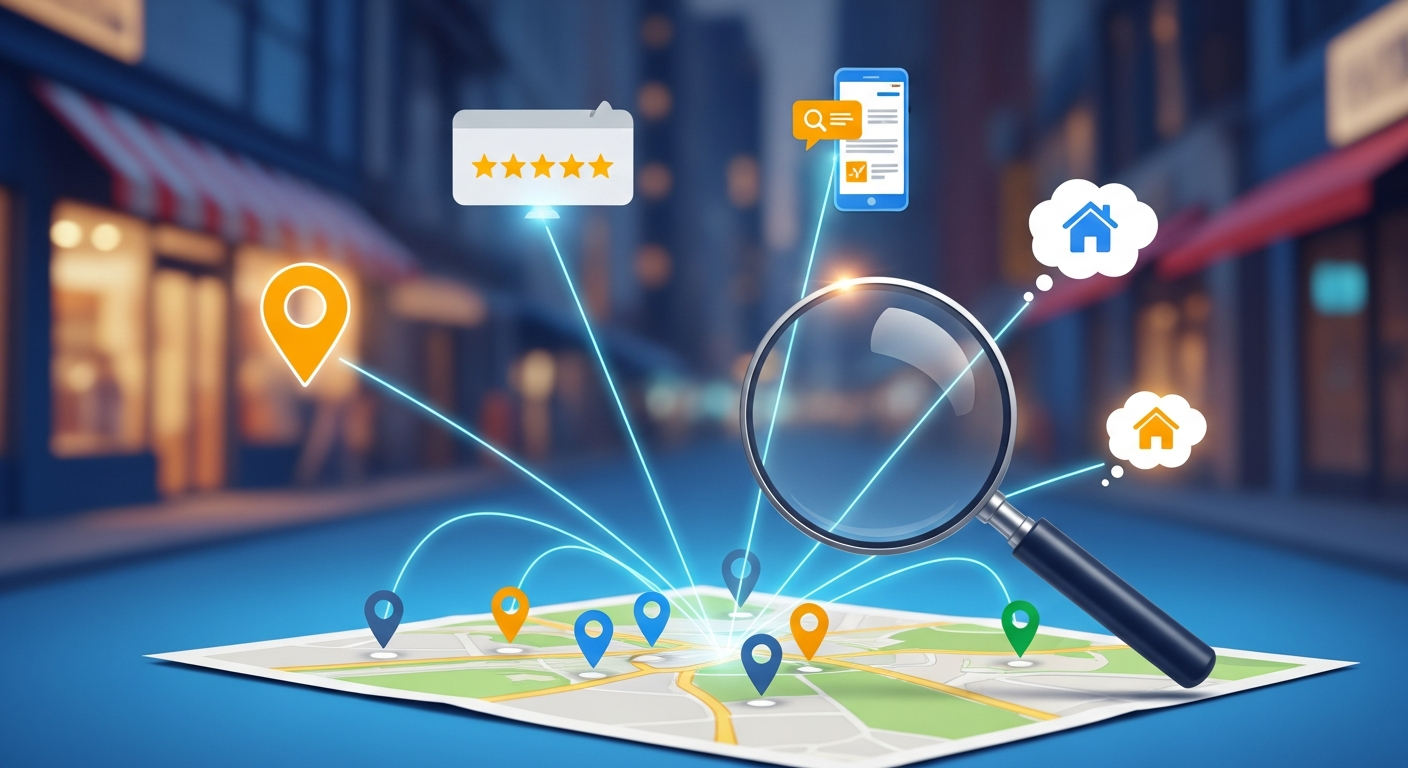
Most SEO agencies live online, but clients do not make decisions in a vacuum. Even in a world built on rankings, analytics dashboards, and AI-driven strategies, human connection still drives trust.
Offline touchpoints remain one of the most overlooked advantages in SEO agency branding and client acquisition.
Offline Meetings Builds Trust Faster Than Digital Alone
SEO is intangible. Rankings fluctuate, traffic reports can feel abstract, and ROI takes time to prove.
Tangible brand experiences increase long-term customer loyalty. When someone can physically interact with your brand, trust builds faster because the experience feels real, not theoretical.
For an SEO agency competing in a crowded space, that trust shortens the sales cycle and reduces skepticism.
Why Physical Presence Feels More Credible
B2B buyers often hesitate because they have been burned by empty marketing promises. A thoughtful in-person meeting, conference booth, or mailed brand package adds a layer of credibility that no cold email can replicate.
Human interaction activates emotion, and emotion influences buying decisions more than spreadsheets. When prospects associate your agency with a positive in-person experience, your digital messaging gains weight.
Offline Moments Reinforce Your SEO Agency Branding
Branding for an SEO agency often stops at logos and LinkedIn posts. Strong branding, however, lives in the small details clients remember long after a strategy call ends.
Physical brand moments can influence digital conversions, showing that real-world interactions increase online engagement and purchase intent.
When someone receives a branded notebook after a strategy session or meets your team at an industry event, your agency becomes more memorable. Greater recall leads to higher response rates when follow-up emails land in their inbox.
Small Gestures Create Long-Term Recall
Many agencies strengthen relationships with gifts for clients and employees that reflect their brand personality. Such items can sit on a desk for months, quietly reinforcing your name and values.
Digital ads disappear in seconds, but a physical reminder stays visible every workday. Consistent visibility increases familiarity, which in turn increases comfort with signing a contract.
SEO services are rarely impulse purchases. Decision-makers need confidence before committing to a long-term retainer.
Human connection remains a critical driver of high-value deals, even as digital channels expand. When agency leaders attend trade shows, host workshops, or schedule in-person consultations, conversations deepen faster.
Complex objections surface more naturally, which helps close deals with fewer follow-ups.
What Offline Engagement Does For Sales Conversations
Offline engagement strengthens sales conversations in three key ways:
Builds rapport faster than virtual meetings
Reduces perceived risk in long-term contracts
Encourages open discussion about goals and concerns
Stronger rapport means fewer stalled proposals and more confident yes decisions. For SEO agencies targeting enterprise clients, personal interaction can make the difference between being shortlisted and being selected.
Offline Touchpoints Support Long-Term Client Retention
Client acquisition gets attention, but retention fuels agency growth. Long-term clients refer peers, increase budgets, and stabilize revenue.
Experiential marketing continues to matter because it deepens emotional connection in a digital-heavy environment. Sending a handwritten thank-you note after a major milestone or inviting clients to exclusive in-person events reinforces partnership.
Clients who feel valued are less likely to shop around when competitors pitch lower fees.
Turning Clients Into Advocates
Advocacy grows from consistent positive experiences. When clients associate your agency with thoughtful gestures, professional events, and meaningful face-to-face interaction, they are more likely to recommend you.
Referrals often begin with a simple comment such as, “You should meet them in person.” Offline credibility amplifies online proof, like case studies and testimonials.
Where Offline Strategy Fits Into SEO Agency Branding
Digital expertise remains essential, but brand perception extends beyond search results. Offline touchpoints give depth to your positioning and reinforce the credibility behind your SEO claims.
Strong SEO agency branding combines data-driven performance with real world connection. Agencies that blend strategic events, thoughtful follow-ups, and consistent physical brand elements stand out in an increasingly automated market.
Has this content been useful? If so, take a moment to explore our other insightful articles!
Many local ministries want to connect with their neighborhoods through digital channels rather than relying on traditional paper flyers or local billboards. Most people look online for community schedules, staff bios, and driving directions before they ever step through a physical doorway.
A strong online presence helps families find weekend service times and youth community events easily. Implementing local search optimization helps regular congregations grow naturally without spending large amounts of money on traditional advertising campaigns.
Transitioning to Digital Platforms
Religious communities are moving online much faster than past generations ever expected or planned for in their budgets. Modern congregations regularly look for virtual ways to study historical texts, organize weekly events, and share positive ideas together with friends.
A research paper explained that digital tools transform how believers experience community and worship. This significant shift means web platforms now serve as the primary gateway for regional ministries trying to reach local people.
Building a basic platform is only the initial part of a modern community outreach plan for leaders. Ministry managers need to make sure their text ranks well on popular search tools so people in the city can find them without hassle.
Embracing Modern Sanctuary Technology
Upgrading physical buildings goes hand in hand with making consistent online web improvements for users. High-quality audio and visual equipment keep attendees focused on the message during weekly weekend services and special holiday events throughout the year.
Local ministries buy modern displays to share sermon notes and lyric slides clearly. Using a new church LED video wall makes presentation text easy to read from any row in the auditorium. This visual upgrade provides great video clips that leaders can post online to attract internet traffic to their main site.
Uploading high-quality photos of these production upgrades improves the user experience for web visitors. New residents love seeing a modern auditorium layout when they look for local worship options on their smartphones before visiting.
Reaching New Seekers Online
Search engine optimization targets individuals who are actively searching for a local spiritual home to join. These seekers type specific questions into search bars when they move into a new city for work or school opportunities.
A study regarding digital innovation found that church digitalization offers massive opportunities for reaching new believers and strengthening communication. Strategic web optimizations connect these seekers directly with regional volunteer projects, small groups, and weekend gatherings in their area.
Gaining high positions on search networks removes the friction of finding a local faith group nearby. It links online searches directly with physical church attendance on Sunday mornings for young families looking for a community.
Optimizing Local Search Maps
Local listings are a critical component of any neighborhood search campaign for small organizations. Setting up a detailed map profile allows a house of worship to appear in regional search packs when people look for nearby options on mobile devices.
Leaders should fill out every blank space on their organization profiles with accurate details to help users find facts. Sharing correct service hours and contact phone numbers prevents confusion for potential first-time guests who want to visit this weekend.
Consistent feedback from current attendees boosts visibility on popular map applications gradually. Positive text reviews encourage automated search systems to recommend the physical location to nearby residents who need community support and guidance.
Keyword Strategies For Ministries
Selecting the correct search phrases forms the absolute foundation of organic web traffic growth for websites. Ministries should focus on practical terms that match exactly what families type into search text boxes during difficult moments in life.
Effective keyword campaigns focus on specific categories that match local community interests:
Target phrases like small groups or youth programs.
Include distinct geographical tags like neighborhood names or zip codes.
Focus on worship styles like traditional hymns or contemporary music.
Placing these terms naturally within page titles improves organic search visibility across the internet. Leaders should avoid stuffing lists of words into paragraphs since that practice harms the reading experience for normal people who browse online.
Content Creation For Congregations
Publishing regular articles helps answer common questions that spiritual seekers ask online every day. Helpful topics can cover items like relationship advice, community volunteer opportunities, or practical tips for new parents who need help.
Providing helpful text tells indexing bots that the organization’s website stays active and relevant for users. Regular uploads prove that the faith community provides real value to the surrounding metropolitan area throughout the entire year.
Posting these articles on social media profiles drives extra traffic back to the primary website hub. Higher traffic volume signals strong authority to major search networks, which boosts overall search placement for competitive terms.
Tracking Website Growth
Free data dashboards help administration teams track their search results without spending ministry money from the budget. These analytics systems show exactly how many people clicked on web links every single week of the year.
Reviewing which pages get the highest traffic guides future writing decisions for the web team. Teams can easily see if web users prefer reading about youth ministries, community groups, or local food drives.
Tweaking site setups based on real numbers prevents wasted team effort on bad ideas that do not work. Minor adjustments to title tags can cause noticeable growth in traffic numbers over a few months of careful tracking.
Developing an online search plan requires a regular schedule and consistent content updates from staff members. Local organizations can reach thousands of neighbors by keeping their digital spaces clean and filled with helpful answers for everyone.
Putting effort into search systems helps modern ministries reach their local outreach goals easily. A well-optimized website supports community growth for many years and helps people connect with ease in their local town.
Today, modern consumers and searchers find solutions through ChatGPT recommendations, Google Gemini answers, and Google AI Overviews. Securing a spot in standard search results is only half the battle. Your business must now be the brand that AI chooses to cite and summarize.
That is why choosing the right agency SEOpartner is more important than ever. This guide cuts through the standard marketing fluff to evaluate the top 10 SEO agencies in Malaysia based on how well they future-proof your visibility while protecting your hard-earned marketing budget.
1. Rankpage
Rankpage has built a strong reputation as a leading AI-SEO agency in Malaysia, combining traditional technical SEO with advanced AI search strategies.
Recognised by many businesses as a trusted Malaysia SEO expert, the agency focuses on intent-based keyword mapping and zero-click search visibility to help companies and SMEs achieve long-term organic revenue growth.
AI & AEO Capability
Rankpage leads in modern search optimization with specialized frameworks like the Rankpage Satellite Ecosystem (RSE) and Generative Engine Optimization (GEO). They optimize website infrastructure and create structured content data to ensure their clients’ brands are actively cited, recommended, and summarized by conversational AI tools like ChatGPT and Google Gemini.
Main SEO Services
AI Reputation Management (AIRM) for monitoring and improving how a brand appears across LLM platforms
Rankpage Satellite Ecosystem (RSE) to boost site ranking using high-quality content assets to optimize domain strength, EEAT signals, and long-term ranking power
SERP–Dominating Technology (DT) to optimize websites with a precision-engineered search intent targeting, designed to dominate Google search results
Global AI Connectivity Backlink (GACB) to deliver backlinks that are trusted and industry-relevant, elevating your website’s authority and citation value.
Multi-Regional, E-commerce, & International SEO Strategies
Buyer Protection & Transparency
With an 8-year track record and an entirely in-house team of strategists and writers, Rankpage eliminates the risk of communication gaps.
They provide clear, systematic strategies and direct account management, ensuring that search growth matches actual business sales leads.
2. Paperballad&Co.
Paperballad&Co. is known as Malaysia’s first agency that combines UX strategy with content marketing.
They work like an outsourced growth partner for brands, helping businesses grow through smart content, better user experience, and clear website structure. Instead of using one-size-fits-all methods, they focus on customer behaviour, search intent, and long-term brand trust.
AI & AEO Capability
Paperballad&Co. crafts deeply researched content silos and pillar pages. By combining detailed user insights with clear information architecture, they ensure website content is highly scannable and contextually rich, allowing Large Language Models (LLMs) and conversational AI engines to pull their clients’ data effortlessly.
Main SEO Services
Research-Driven SEO Strategy Sessions & On-Site Audits
UI/UX Information Architecture & Website Optimization
Brand Voice Alignment & Story-Led Blog Writing
Buyer Protection & Transparency
Paperballad&Co. works transparently by providing clients with complete strategic clarity, ensuring that every investment in SEO brings back consumer engagement, user experience retention, and genuine brand trust.
3. Berkshire Media
Based in Petaling Jaya, Berkshire Media specializes in data analytics and digital presence optimization for large corporations, government ministries, and government-linked companies (GLCs).
AI & AEO Capability
Berkshire Media ensures that data structures are optimized so large brands appear accurately within AI Large Language Model (LLM) summaries without losing brand authority and accuracy.
Main SEO Services
Large Language Model (LLM) Optimization & Citation Alignment
Online Reputation Management (ORM) & Crisis SEO
Sentiment Tracking & Corporate Digital Audit Setup
Data Analytics & High-Level Entity Optimization
Buyer Protection & Transparency
Berkshire Media shines in crisis mitigation and online reputation management. They protect corporate buyers by offering deep sentiment tracking, giving businesses full clarity on how they are perceived across both search and social ecosystems.
4. NuWeb
NuWeb is an established agency located in Puchong with over 15 years of industry experience. They focus primarily on delivering highly practical web design and search engine marketing solutions for local small and medium enterprises (SMEs).
AI & AEO Capability
NuWeb optimizes websites for both standard local searches and AI-driven conversational formats, ensuring that technical fundamentals are set up correctly for modern search queries.
Main SEO Services
SME Local Optimization & Targeting
Voice Search & Google AI Overview Setup
Custom WordPress Website Technical SEO
Inbound Call, WhatsApp, & Form Conversion Tracking
Buyer Protection & Transparency
NuWeb offers an incredibly unique layer of financial protection for small businesses: a 100% money-back guarantee if selected target keywords fail to reach top Google positions within a 12-month period.
BigDomain.my operates primarily out of Penang and Puchong, offering a comprehensive suite of domain, hosting, and localized search engine marketing tools tailored for fast-growing regional brands.
AI & AEO Capability
They utilize an optimization system focused on AI SEO to push brand data directly into mapping software, business profiles, and modern conversational AI indexes.
Main SEO Services
Automated Local Google Business Profile Optimization
Technical Performance & Website Speed Audits
Hyper-Local Keyword Targeting for E-commerce
Microdata & Localized Business Schema Markup
Buyer Protection & Transparency
BigDomain.my provides clients access to live, daily ranking improvement dashboards. This allows business owners to check real-time progress whenever they want.
6. Laman7
Laman7 is a specialised agency that helps turn websites into useful business tools. They focus on getting more quote requests and sales enquiries, especially for B2B and industrial businesses.
AI & AEO Capability
Laman7 builds highly structured topical content hubs designed to answer precise buyer questions, making it easy for search engine crawlers to read and pull text fragments for featured snippets.
Main SEO Services
B2B Buyer-Intent Conversion Optimization
Topical Hub Architecture & Content Strategy
Programmatic SEO for WordPress Sites
Continuous Website Quality Optimization & Care (WebCare)
Buyer Protection & Transparency
They guide clients using an upfront 180-day roadmap that clearly ties search engine activities directly to marketing growth, steering completely clear of useless traffic metrics that don’t bring sales.
7. Bean Search Expert (BeanSE)
Bean Search Expert is a digital marketing agency based in Puchong. For more than 20 years, they have helped businesses build a stronger online presence across different digital platforms.
AI & AEO Capability
BeanSE integrates predictive data analytics with content design to protect sites against major algorithm shifts. It also ensures that websites remain friendly to Meta AI and other modern AI search engines.
Main SEO Services
Predictive Analytics & Algorithm Risk Auditing
Meta AI Readiness & E-E-A-T Profile Alignment
Multi-Platform Site Migration & Technical Checks
Corporate Digital Training & Upskilling Solutions
Buyer Protection & Transparency
Operating since 1999, BeanSE relies on deeply established standard operating procedures (SOPs). They help business owners balance their organic marketing efforts with digital training programs to build long-term internal knowledge.
8. One Search Pro
One Search Pro is a creative digital marketing agency based in Kuala Lumpur that serves various commercial niches with tailored web development, branding, and search optimization plans.
AI & AEO Capability
They provide comprehensive keyword research frameworks that ensure all content assets are aligned smoothly with search intent and semantic microdata rules.
One Search Pro reduces client risk by assigning work to different expert teams, such as web development, copywriting, and technical SEO. They also use live data dashboards and real-time reports to track performance and stay accountable.
9. SEO.Fruit
SEO.Fruit is a search marketing agency in Kuala Lumpur that provides hands-on technical SEO audits and local SEO services for small businesses and professional service providers.
AI & AEO Capability
They create detailed and expert-level content pages that trusted industry websites and modern search engines see as reliable sources of information.
Main SEO Services
Technical Site Audits
Specialized Professional Niche Keyword Extraction
High-Authority Contextual Content & Link Acquisition
Local Map Pack & Google Business Optimization
Buyer Protection & Transparency
The ultimate risk protection with SEO.Fruit is their boutique setup. Clients deal directly with the senior specialist running their account, ensuring that strategy and actual work are never passed down to inexperienced juniors.
10. KangXiang
KangXiang is an ISO 9001-certified web design and digital marketing agency based in Puchong that delivers transparent, all-inclusive online business setups for local brands.
AI & AEO Capability
They specialize in building clean, fast-loading, and mobile-responsive website structures that directly check off Google’s Core Web Vitals and schema requirements.
Main SEO Services
Clean Code Structural Optimization & Mobile Adjustments
Core Web Vitals Tuning & Page Speed Architecture
Transparent, Fixed-Rate On-Page Optimizations
Local Search Multidevice Responsiveness Auditing
Buyer Protection & Transparency
KangXiang provides clear and honest quotes from the start with no hidden fees. They also support clients through direct communication on WhatsApp.
Summary of SEO Agency Search Readiness in Malaysia
Agency Name
Core Focus & Main Services
Key AI & AEO Capabilities
Buyer Protection & Transparency
AI-Readiness Rating
Rankpage
AI-SEO, Deep Semantic Mapping, Intent Targeting, Tech Setup, Multi-Regional/E-commerce SEO.
Leads with specialized GEO/AEO frameworks, Rankpage Satellite Ecosystem (RSE), and AI Reputation Management (AIRM) for LLMs.
8-year track record, entirely in-house team, direct account management.
5.0 / 5
Paperballad&Co.
UX Strategy + Content Marketing, Content Pillars, Information Architecture, Story-Led Blog Writing.
Crafts deep content silos structured so LLMs and conversational engines can extract data effortlessly.
Complete strategic clarity focused on user retention and brand trust.
4.0 / 5
Berkshire Media
Data Analytics, Corporate Digital Audits, Sentiment Tracking, High-Level Entity Optimization.
Large Language Model (LLM) Optimization & Citation Alignment to protect corporate brand authority.
Crisis mitigation and deep sentiment tracking across search and social ecosystems.
4.0 / 5
NuWeb
SME Local Optimization, Custom WordPress Tech SEO, Conversion Tracking.
Optimizes for conversational formats via explicit Voice Search & Google AI Overview setups.
100% money-back guarantee if target keywords miss top spots within 12 months.
3.5 / 5
BigDomain.my
Domain/Hosting, Hyper-Local E-commerce Targeting, Performance Audits, Business Schema.
Uses an AI SEO optimization system to feed brand data directly into modern conversational AI indexes.
Implements microdata architecture and semantic schema rules to align smoothly with search intent.
Multi-expert specialized teams, live dashboards, and real-time performance reporting.
3.0 / 5
SEO.Fruit
Boutique Tech Audits, Local Map Pack/GBP Optimization, High-Authority Contextual Links.
Produces expert-level, highly authoritative niche content pages recognized by modern engines.
Deal directly with the senior specialist running the account—no inexperienced juniors.
2.0 / 5
KangXiang
ISO 9001 Web Design, Core Web Vitals Tuning, Page Speed Architecture, On-Page SEO.
Ensures clean code structure and foundational schema requirements that check off technical prerequisites.
Honest upfront quotes with zero hidden fees and direct communication via WhatsApp.
2.0 / 5
How to Choose the Best AI-Ready SEO Agency in Malaysia
Choosing the right SEO agency in Malaysia today is no longer just about getting more keywords ranked on Google. A good AI-ready SEO agency should also help your business appear in AI search results, Google AI Overviews, and conversational platforms like ChatGPT.
Here are a few important things to look for:
1. Choose an Agency That Understands AI SEO
Avoid agencies that only use AI tools to create large amounts of cheap content. A real AI-ready SEO agency knows how to structure your website content, data, and pages so search engines and AI systems can understand, trust, and reference your business.
2. Check How They Track AI Visibility
Traditional keyword rankings are no longer enough. Modern SEO agencies should also track how often your brand appears in AI-generated search results, zero-click searches, and conversational AI platforms. Ask them how they measure your visibility beyond normal Google rankings.
3. Look for Clear Reporting and Flexible Terms
A reliable SEO agency should provide transparent reporting with live dashboards or regular performance updates. Avoid agencies that lock you into long-term contracts with unclear results. Flexible terms and clear monthly KPIs help protect your marketing budget and keep the agency accountable.
Conclusion
For Malaysian businesses, adopting AI-ready SEO is becoming a long-term competitive advantage rather than an optional marketing upgrade.
Companies that optimize their websites for AI search systems can improve brand visibility, build stronger online trust, and reach potential customers earlier in the decision-making process.
Instead of relying only on clicks, businesses can now position themselves as trusted sources that AI platforms directly reference and recommend.
AI-SEO also helps businesses create better user experiences. Structured content, clear information architecture, fast-loading websites, and expert-driven content make it easier for both users and AI systems to understand your business.
That is why choosing the right SEO partner matters more than ever. Look for a Malaysian SEO agency that understands AI search behaviour, provides transparent reporting, and focuses on real business growth
FAQs
Q1: How can I verify if a Malaysian SEO agency is truly capable of optimizing for Google AI Overviews and ChatGPT?
A: During your initial consultation, ask the agency to demonstrate their process for Generative Engine Optimization (GEO). A truly capable agency will show you how they build: structured data, clear semantic content structures, and topical authority maps. They should be able to show you real examples of how their strategies allow a brand to appear as a recommended source within conversational AI responses.
Q2: What specific contract clauses should I look for to protect my business from paying for poor SEO results?
A: Look for partners that offer flexible contract review points (such as a 180-day review), transparent keyword adjustments, or direct performance guarantees like NuWeb’s cash-back model. Avoid contracts that do not include a real-time tracking dashboard, as live metrics keep the agency fully accountable for their monthly tasks.
Q3: Why are traditional search engine rankings becoming less accurate for measuring business growth?
A: Traditional rankings don’t paint the full picture because of “zero-click searches,” where users get answers directly from AI summaries on the search page without clicking a link. Because of this, measuring organic business growth now requires tracking deep-funnel indicators like direct leads, phone calls, web forms, and brand recommendations inside AI tools.
Q4: How do the best agencies in Malaysia optimize for local multilingual search intent across English, Malay, and Mandarin?
A: Top agencies avoid simple machine translation tools. They manually optimize your site with localized keywords and cultural search patterns used by Malaysian consumers in different regions. This ensures that whether a customer searches in English, Bahasa Melayu, or Mandarin, conversational AI platforms can easily read and pull your content.
Q5: Should I immediately run away if a digital marketing company guarantees a #1 spot on Google?
A: Yes, proceed with extreme caution. No agency controls search algorithms, and search engines change their layouts constantly. An agency promising a generic “#1 spot” is usually targeting low-competition keywords that have zero search volume and bring no sales. Focus instead on agencies that promise structured processes, transparency, and target buyer intent.
Q6: Is it wiser to select a boutique senior-led consultancy or a large full-service agency for long-term SEO scaling?
A: It depends entirely on your corporate growth stage. If you are a local SME or an independent professional needing direct strategy without account management risks, a boutique senior-led consultancy ensures an expert handles your campaign. If you are an enterprise brand requiring massive scale, digital PR distribution, and multi-channel ad management, a large full-service agency is better built to handle that workload.
Building a brand online requires a deep commitment to the people you serve. For years, businesses treated search engine optimization as a mechanical game of math and code. This approach no longer delivers sustainable results.
The organizations achieving consistent growth today are those that design their online experience around actual human needs. By focusing on the challenges your audience faces, you naturally create content that search engines want to reward.
Shifting Focus From Keywords To Human Intent
Search platforms have grown incredibly smart at identifying what a user truly needs when they type a query. A strategy built entirely on repeating phrases throughout a page simply fails.
Modern systems prioritize text that provides real utility and answers complex questions. When your primary motivation is solving consumer problems, your organic traffic becomes far more qualified.
Adapting Content For No Click Realities
Recent statistics reveal that nearly 65% of Google searches now finish without a single click, largely due to instant answers on the results page. Another industry study noted that by the end of last year, over 60% of desktop queries and 77% of mobile queries resulted in zero clicks.
This means individuals are gathering information directly from search pages. You cannot rely solely on basic informational terms to attract visitors. To capture meaningful attention, your articles must offer deeper insight than that of a summary box. Your writing must establish a connection so compelling that readers intentionally click through to explore your unique perspective.
This is where client advocacy becomes a real competitive edge. Businesses that invest in dedicated specialists, people whose job is to guide users, answer questions, and build genuine relationships, consistently outperform those relying purely on content automation. Those looking to build that capability can start by exploring client advocacy careers to find talent that turns one-time visitors into loyal, long-term customers. This personal touch ensures that users feel valued and not lost in automation cycles.
Building Lasting Assets Through Authenticity, Not Corporate Scale
Smaller enterprises frequently worry that they lack the budget to compete with industry giants. However, a major marketing publication suggested that smaller bloggers with solid social proof are starting to outrank massive corporations that lost their personal touch.
Paid campaigns offer quick results, but the traffic vanishes the moment your funding stops. A marketing strategy guide explained that organic optimization builds long-term visibility and trust in ways that paid advertisements cannot match.
Audiences naturally gravitate toward genuine voices. When you communicate like a person instead of a boardroom committee, your metrics show higher engagement. Investing in helpful resources creates an online asset that draws visitors for years. This sustainable approach helps keep your overall customer acquisition costs low.
Meeting Consumers At Critical Moments
Understanding the consumer path requires analyzing the actual questions your target audience asks. Google’s growing focus on user intent has forced a major strategic shift from keyword-centric planning to user-centric planning. This means studying the mindset of the person behind the screen. You must discover if they want to learn, buy, or simply find a quick answer.
Analyze support tickets to uncover recurring frustrations.
Interview frontline representatives about common objections.
Review community forums to see the exact language consumers use.
Matching the Rise of Conversational Inquiries
The way people type their queries has transformed because technology allows for more natural communication. An industry insight paper highlighted that the shift from traditional keyword searches to intuitive, dialogue-driven queries marks a fundamental change in user behavior.
People write out full sentences or ask questions as if they are talking to a colleague. Your text should mirror this relaxed tone to match modern search habits.
Optimizing Content For Voice Technology
Smart speakers and mobile assistants have completely changed daily searching habits. A recent blog post stated that because voice-activated devices keep growing in popularity, optimizing for voice search is turning into a major priority. Voice queries are usually longer and far more conversational than typed words. If your copy sounds natural when spoken aloud, it stands a much better chance of ranking for these verbal requests.
When writing for voice devices, aim for direct answers. Focus on answering the key questions your customers ask: who, what, when, where, and why. Keeping your initial answer under 30 words can help smart speakers read your content as a featured snippet.
Measuring Success Through Real Engagement
Track how long users stay on your pages instead of just looking at pageviews.
Monitor scroll depth to see if readers finish your articles.
Watch your referral traffic to see if people share your links naturally.
True marketing growth comes from putting your audience first every single day. When you design an online experience that values human connection over technical tricks, search engines naturally notice your authority. This user-first philosophy builds a loyal community that protects your brand from changing algorithms. By committing to real people, you secure sustainable visibility and long-term success.
Finding a marketing agency you actually trust feels a bit like hiring a tradesperson you’ve never met. You’ve heard too many stories about people who paid a hefty monthly fee, got a lot of jargon in return, and saw almost nothing change on their website. It’s a genuinely frustrating experience.
But here’s the thing, good marketing partnerships absolutely exist, and when you find the right one, the difference it makes to your business can be remarkable. The challenge is knowing what to look for and what to run from and this guide will help you do exactly that.
Why Getting This Decision Right Matters
Whether you’re a sole trader, a growing home services company, or a small e-commerce brand, your marketing is the engine behind how new customers find you. Done well, it builds a steady stream of enquiries and long-term visibility. Done badly, it drains your budget without moving you any closer to your goals.
For agencies managing their own finances, accounting for marketing agency can also help keep financial records organized as the business grows.
The agency you choose will have access to your website, Google accounts, analytics data, and quite a lot of information about how your business works. That’s a significant level of trust. It’s worth taking time to get it right. The value of finding the right fit becomes becomes even clearer in specialized sectors, where partnering with a biotech growth marketing agency that understands complex audiences and long sales cycles can make a meaningful difference in achieving sustainable growth.
What to Look for Before Making an Enquiry
Before you book a call with any agency, do a bit of detective work. Here’s what to look at:
Do they rank for their own services? An SEO agency that doesn’t appear in Google searches for its own niche tells you something important.
Are their client testimonials specific? Vague praise like ‘great team’ means little. Look for testimonials that mention concrete results like traffic increases, more leads, reduced ad spend.
Do they explain what they actually do? Good agencies describe their process in plain language. If the website is full of buzzwords and no substance, that’s a warning sign.
How long have they been around? Longevity doesn’t guarantee quality, but an agency that’s been serving clients since the early 2000s has survived every major algorithm change, and that matters.
Do they work with businesses like yours? Some agencies specialise in large enterprise clients, while others are built for small and mid-sized businesses. Make sure the fit is right.
Questions Worth Asking on That First Call
Once you’ve shortlisted a few options, the discovery call is your opportunity to separate the genuine experts from the confident-sounding generalists. These questions tend to cut through the noise quickly:
1. Who will actually be working on my account?
A good digital marketing agency will give you a direct answer, a named person or small team, not a vague assurance about “our specialists”. Knowing who you’ll be speaking to, and how experienced they are, is non-negotiable.
2. Can you show me a case study from a business similar to mine?
If they can’t, that doesn’t mean they’re bad but it does mean you’re taking more of a risk.
3. What does your reporting look like?
You should receive plain-English updates regularly, not just a dashboard login and a wall of data to interpret by yourself.
What a Good Agency Relationship Actually Feels Like
With the right fit, things are noticeably different. You’ll have:
A consistent point of contact who actually knows your business
Clear, easy-to-read reports that highlight what matters
Full transparency on what’s been done, why it was done
Results that connect to real business outcomes, not just vanity metrics
According to research by HubSpot, businesses that align their marketing activity with clear goals are 376% more likely to report success. Earned media should be part of that strategy, and a Toronto PR agency like Pomp & Circumstance can help ensure media coverage supports the goals that define success. The statistic serves as a reminder that it’s not just about choosing any agency, it’s about choosing one that takes the time to understand what success actually looks like for your business.
Sudlow Marketing is a good example of this in practice. They publish client case studies showing specific, measurable outcomes, and their team communicates in plain language rather than jargon. It’s a style of working that small business owners tend to appreciate, especially if they’ve been burned before.
A Simple Framework to Compare Your Options
When you’ve had calls with two or three agencies, use this basic checklist to compare them honestly:
Transparency: Did they explain their process clearly, without being asked twice?
Fit: Have they worked with businesses of your size and type before?
Communication: How responsive were they before you signed anything?
Results focus: Are they measuring things that connect to actual revenue, not just traffic?
If one agency ticks all five boxes and another only ticks two, the decision tends to make itself.
Conclusion
Choosing a marketing partner is a business decision that deserves as much care as choosing a supplier, a member of staff, or a piece of equipment. The wrong choice costs money and time. The right choice can genuinely transform how your business grows.
Take your time, ask hard questions and look for plain answers. Don’t be afraid to walk away from anyone who makes promises that sound too good to be true because in marketing, they almost always are.
Social proof is one of the most well-documented drivers of online purchase decisions. Among all the forms of social proof available to an ecommerce store, Google reviews carry a specific weight that self-published testimonials and curated quote sections don’t match. They’re independent, they’re verified, and customers know it.
The question isn’t whether Google reviews help Shopify store sales. They do. The real question is whether your store displays them where they’ll have the greatest impact at the most important moments in the buying journey.
The highest-value location for social proof isn’t the testimonials page. It’s the product page, right next to the add-to-cart button. That’s where the purchase decision is being made. It’s also where visible evidence of other customers’ positive experiences produces the strongest conversion effect.
A Google reviews widget embedded on product pages brings the star rating and selected review content directly into the decision moment.
2. Reducing Cart Abandonment Through Confidence Building
Cart abandonment is the most direct measure of customers who were interested but not confident enough to complete the purchase. Review visibility at the cart stage, either through the widget itself or through trust indicators that carry review data, addresses the hesitation that causes abandonment.
A customer who adds a product to their cart and then sees a prominent display of positive reviews from verified purchasers at checkout has a different confidence level than one who proceeds without that reinforcement.
3. Improving Conversion on High-Value Products
Higher-ticket products face a higher confidence threshold. A customer spending significantly more than they would on an impulse purchase needs more reassurance that the product delivers what it promises.
For high-value Shopify products, Shopify store conversion performance often hinges on the presence of numerous and recent positive Google reviews displayed prominently on the product page does more conversion work than almost any other single page element. The review count itself matters. A large number of reviews signals that many customers have bought and are satisfied with the product. This is a more powerful trust signal than a handful of carefully selected quotes.
4. Supporting New Product Launches
New products by definition lack purchase history and review accumulation. This creates a credibility gap that affects launch conversion rates.
During a new product launch, displaying Google reviews of the overall store prominently maintains the trust signal as product-specific reviews build. A store with strong overall Google review presence can leverage that credibility for new products while the specific review history develops.
5. Improving SEO Through Review Schema Markup
A Google reviews widget that implements structured data markup correctly enables rich snippets in search results, and displaying star ratings and review counts directly in the Google search listing.
This affects organic click-through rate significantly. Listings with visible star ratings attract more clicks than equivalent listings without them, which improves organic traffic independently of ranking position.
For Shopify stores investing in SEO, the additional organic performance from properly implemented review schema adds value that extends well beyond on-page conversion improvement.
6. Creating Real-Time Social Proof Through Recent Reviews
The recency of reviews matters to customers. A product with reviews from two years ago feels less reliable than one with reviews from last week. A widget that surfaces recent reviews automatically and updates as new reviews arrive, maintains a live, current social proof signal that doesn’t require manual content management.
This real-time quality also creates a feedback loop between the review collection process and on-page conversion. Actively gathering new customer reviews directly improves the conversion performance of the pages where those reviews appear.
For Shopify store owners looking for the right implementation of this functionality, a Google reviews widget for Shopify that handles display, updating, and schema markup in a single integrated tool removes the technical complexity.
EveryWidget builds its Shopify review integration around the conversion use cases that matter most to store owners, with display options that suit different store designs and product types.
7. Building Long-Term Brand Authority
Conversion is the immediate goal. Brand authority is the long-term goal. A store that consistently displays hundreds or thousands of genuine Google reviews builds a cumulative credibility. This affects the first-visit conversion, return purchase rates, word-of-mouth referral, and the baseline trust that new visitors arrive with after encountering the brand in other contexts.
According to BrightLocal’s annual consumer review survey, the majority of consumers read online reviews before making a purchase decision. Star rating, review quantity, and review recency are the primary factors that influence whether reviews produce a positive trust response. All three of these are variables that a well-implemented Google reviews widget directly addresses on a Shopify store.
Conclusion
The Shopify stores performing best in 2026 are the ones that treat social proof as active infrastructure rather than a passive page element. A Google reviews widget that works correctly places genuine customer validation exactly where purchase decisions are being made, at the right moment and in a format customers trust.
The seven mechanisms described here work together. Implement them correctly and the cumulative impact on conversion, organic traffic, and long-term brand authority is meaningful and measurable.
Marcus, a founder of a mid-sized e-commerce brand, spent two years and roughly $40,000 on SEO. He hired a freelancer for content, a separate agency for links, and his developer handled technical fixes whenever he had time, which wasn’t often. Traffic barely moved. When he finally switched to a best full SEO service that handled every layer under one roof, his organic sessions doubled within six months.
The lesson wasn’t that SEO is hard. It’s that fragmented SEO is almost always broken SEO. This article breaks down what a genuinely complete SEO service includes, how the process works from day one to month twelve, what separates credible providers from the rest, and which types of businesses gain the most from handing it all over to a specialist team.
What “Full SEO” Is and Why Partial SEO Falls Short
The Five Pillars of a Complete SEO Strategy
SEO is not a single task. It’s a system with five interconnected layers:
Technical SEO ensures your site can be discovered and indexed.
On-page optimization tells Google what each page is about.
Link building signals authority.
Content management builds topical relevance over time.
Reputation management reinforces trust signals that increasingly influence modern ranking algorithms.
Each one affects how Google crawls, interprets, trusts, and ranks your site. Miss one pillar and the others work against a structural ceiling you can’t see.
A 2023 study by Backlinko analyzing 11.8 million Google search results found that top-ranking pages consistently held advantages across all three major SEO categories, not just one. For example, excelling in link authority while neglecting technical health, produces diminishing returns at a measurable rate. The data is clear: partial coverage is partial performance.
Why Isolated SEO Tactics Consistently Underperform
Think of it this way, building backlinks to a site with crawl errors is like running a high-pressure water hose into a leaking pipe. The volume goes in. Most of it goes sideways before reaching the goal.
Technical gaps suppress the impact of every content investment you make. Missing link authority limits how far even perfect on-page SEO can push a page. Reputation signals such as brand mentions, reviews, and citation consistency are increasingly weighted by Google’s quality evaluator guidelines. A strong ranking can erode without active reputation management.
A custom SEO strategy that covers every layer doesn’t just deliver better outcomes. It protects prior investments from being undermined by unchecked weaknesses. The ROI difference between integrated and fragmented SEO isn’t marginal. It’s structural.
This isn’t a one-time checkbox. It’s a diagnostic baseline that informs every other SEO decision.
Continuous technical monitoring matters because sites change. Developers push updates, plugins conflict, pages get accidentally de-indexed. A managed service keeps technical health on active watch, which means problems get caught before they register as ranking drops.
Google’s Search Central documentation confirms that crawl errors and slow page performance remain among the most common suppressors of organic visibility, even on otherwise well-optimized sites.
On-Page Optimization and Content Management SEO
On-page SEO aligns each page’s title tags, meta descriptions, header structure, internal links, and keyword targeting with both user intent and search engine signals. When done well, it turns pages that already exist into pages that actually rank.
Content management SEO goes further. It builds topical authority over time by strategically expanding the depth and breadth of content your site covers. Search engines reward sites that demonstrate consistent, credible expertise across a topic cluster. A managed team executing a content management SEO strategy treats your content calendar as a long-term competitive asset, not just a publishing schedule.
White-Hat Link Building for Lasting Authority
White-hat link building means acquiring backlinks through legitimate, editorially earned placements such as content partnerships, digital PR, resource pages, and niche-relevant outreach rather than through paid link schemes or private blog networks that violate Google’s guidelines.
The distinction matters enormously. Google’s spam policies explicitly target manipulative link practices. Sites caught in link schemes face manual penalties that can remove rankings overnight.
Ethical white-hat link building is slower. It’s also the only kind that produces organic traffic growth that holds. According to Moz’s domain authority research, high-quality backlinks from topically relevant, trusted sources remain among the strongest ranking signals Google applies.
While Moz is one source for domain metrics, evaluating the best Ahrefs alternatives alongside it can give your team a more complete backlink analysis toolkit, especially when managing outreach across multiple campaigns.
Reputation Management SEO as a Competitive Differentiator
Reputation management SEO covers brand mentions, review profiles, citation consistency across directories, and how your brand appears in knowledge panels and AI-generated answers. It protects and amplifies brand visibility in search results beyond just your own website.
Google’s Quality Rater Guidelines emphasize E-E-A-T: Experience, Expertise, Authoritativeness, and Trustworthiness. These aren’t abstract values. They’re operationalized through how often your brand is mentioned, where, and in what context.
Reputation management SEO shapes those signals directly. For businesses in competitive markets, it’s often the differentiator between page one and page two.
How a Full SEO Campaign Works From Start to Results
Step One: Consultation and Business Discovery
The process starts with a structured conversation, not a sales pitch. A credible provider spends this time understanding your current SEO position, target market, business goals, and budget constraints. No assumptions or generic audits pulled from a template. The goal is context, which determines strategy.
Step Two: Building a Custom SEO Strategy Proposal
After discovery, the provider conducts a full site audit alongside competitor and niche analysis. What keywords do competitors rank for that you don’t? Where are your technical vulnerabilities? What content gaps exist? A custom SEO strategy proposal answers these questions with specific, measurable recommendations and not vague promises about “improving visibility.”
Step Three: Hands-On Implementation Across All SEO Pillars
This is where most of the work happens. Deliverables typically include technical fixes, backlink acquisition, content development, and reputation-building activities. A fully managed service owns all of it. You don’t coordinate between a developer, a writer, and a link-building vendor. One team, one accountability chain, one direction.
Step Four: Ongoing Monitoring and Monthly SEO Reporting
SEO is not a campaign with a finish line. Rankings shift, algorithms update, competitors move. Ongoing monitoring tracks performance across all key metrics: keyword rankings, organic traffic, backlink profile health, and Core Web Vitals.
Monthly SEO reporting translates that data into clear, actionable language. The best providers also give clients real-time dashboard access so performance is never hidden behind a monthly email cycle.
What to Look For When Choosing the Best Full SEO Provider
Flexibility Over Lock-Ins
Most SEO agencies push contracts because they need guaranteed revenue, not because the client needs guaranteed commitment. A provider that operates without long-term contract lock-ins is effectively putting their results on the line every month. That’s confidence. That’s skin in the game.
Contract-free arrangements also protect your budget. If a campaign direction isn’t working, you can adjust or exit without financial penalty. An SEO agency with no contract forces ongoing performance accountability in a way that rigid agreements simply don’t.
Verified White-Hat Methods and a Clean Penalty Record
Ask any prospective provider directly:
How do you acquire links?
What’s your process for content placement?
Do you use private blog networks or paid placements that violate Google’s guidelines?
The answers reveal more than any case study.
A penalty-free track record across a diverse client base (different niches, geographies, and competitive levels) is meaningful evidence of sustainable practices.
One penalty in one unusual case might be explainable. Zero penalties across hundreds of clients across years is a verifiable pattern. That’s what you’re looking for.
Cross-Niche Experience and Proven Client Retention
Broad market experience means a provider has solved problems you haven’t encountered yet. SEO for a SaaS company requires different tactics than SEO for a local service business or an e-commerce retailer. A team with documented experience across 30+ different niches and markets brings transferable pattern recognition that accelerates results.
Client retention rate is an honest indicator of service quality. A retention rate above 80% means the majority of clients who start continue voluntarily. That’s harder to fake than a curated testimonial page.
Crowdo.net reports an 82% client retention rate, which positions them among the stronger performers in this regard within the managed SEO space.
Transparency, Communication, and Reporting Standards
Meaningful monthly SEO reporting should include:
keyword position changes
organic traffic trends
backlink acquisition summaries
technical issue logs
forward-looking recommendations
A report that only shows positive metrics is a marketing document, not a performance review.
Regular communication keeps campaigns aligned with actual business goals, which change. A dedicated account manager who monitors your campaign and responds without a ticketing queue makes a material difference in how fast problems are identified and resolved.
Which Businesses Benefit Most From a Fully Managed SEO Service
Startups and Growth-Stage Companies
Startups gain disproportionately from having every SEO layer managed externally. They typically lack the internal bandwidth to execute technical, content, and link acquisition simultaneously. Hiring for each function separately is expensive and slow to coordinate.
A managed approach accelerates early organic visibility by deploying a coordinated strategy from the start, rather than layering tactics onto each other months apart. For a startup, the compounding effect of integrated SEO in the first year versus fragmented SEO can represent the difference between building a durable traffic channel and remaining invisible.
Established Businesses Competing in Saturated Markets
In saturated markets, ranking positions are actively contested. An established business that loses a top-three position to a competitor can see meaningful revenue impact within weeks. Full SEO, with continuous monitoring, active link acquisition, and reputation management, creates a defense as much as an offense.
Reputation management SEO gives mature brands a specific edge here. A business with years of brand signals, reviews, and citations has raw material that a newer competitor can’t replicate quickly. Managing those signals actively turns brand history into a ranking advantage.
Agencies and Resellers Looking for White-Label SEO Capacity
For agencies managing multiple client accounts, a fully managed SEO service functions as scalable delivery infrastructure. Instead of hiring specialists for each SEO discipline, an agency can extend its capacity through a white-label partner without proportionally expanding overhead.
Before partnering, verify:
the provider’s delivery consistency at volume
their communication standards under client load
whether their reporting format is adaptable to your own client-facing materials
A provider that handles 2,000+ companies across varied niches, as Crowdo.net does, has typically built operational systems that hold under scale. That’s what makes white-label delivery reliable rather than aspirational.
SEOs spend significant energy optimizing how content gets discovered through search. Less attention goes to how content gets consumed and retained after the first visit. Feed-based distribution is the gap in that thinking. The calendar subscription format is the most mature, widely supported, and least utilized version of it available to publishers right now.
This is not about helping a soccer coach share practice times. It is about understanding a distribution model with properties that most content operations have not thought to apply.
The Feed Model and Why It Matters for Content Distribution
Most content assets are static by design. A PDF, even one neatly assembled with a tool like PDF Hammer, an embedded schedule table, or a social post pushing an update. Each of these creates a dead-end relationship between publisher and audience. The publisher produces the asset, the audience receives it once, and any subsequent update requires the entire distribution cycle to restart from scratch.
The iCalendar format, standardized as RFC 5545 by the Internet Engineering Task Force in 2009, solves a different problem.
A calendar subscription is a live link to a machine-readable file hosted at a stable URL. The subscriber adds the URL once. Every subsequent update the publisher makes to the source feed propagates to the subscriber automatically on their next pull cycle, without any redistribution effort on either side.
The architecture is pull, not push. The subscriber’s calendar app fetches the latest version of the feed at intervals it determines independently. One feed URL serves an unlimited number of subscribers without fan-out infrastructure. There is no subscriber registry, which removes a layer of data handling complexity entirely.
For an SEO professional thinking about content distribution, the relevant properties are:
URL stability
automatic update propagation
zero redistribution overhead
These are the same properties that make an RSS feed a more durable distribution primitive than a social post, applied to a format with broader native support across more platforms.
The Canonical URL as a Distribution Relationship
The feed URL in a calendar subscription functions as a permanent canonical resource. Subscribers add it once and never interact with it again directly. The publisher updates the source; the subscribers receive the update. The URL is the entire relationship.
Changing that URL breaks every subscriber’s connection simultaneously, with no redirect mechanism and no way to notify affected subscribers automatically. It is structurally identical to changing a canonical URL without implementing a redirect. The relationship built around the original address dissolves, and rebuilding it requires every subscriber to resubscribe from scratch.
For SEOs, treat the feed URL with the same permanence discipline applied to any high-value canonical resource. The distribution relationship it carries is the asset, not the individual events it contains at any given moment.
The platform accepts plain text, a photo of a flyer, a CSV, or a public events page as input and outputs a properly formatted iCalendar feed at a stable URL.
The publisher manages the source content; the URL persists indefinitely.
Updates propagate to Apple Calendar, Google Calendar, Outlook, Microsoft 365, and Yahoo without any further action from anyone.
Pull Architecture and the Content Freshness Problem
One of the more instructive aspects of the calendar subscription model for SEOs is how it handles the gap between a publisher updating content and that update reaching the audience.
The pull model means refresh cadence is determined by the subscribing client, not the publisher. That cadence varies significantly across platforms:
Apple Calendar lets users configure intervals from every 5 minutes to weekly, with weekly often the default.
Google Calendar refreshes every 12 to 24 hours with no user-facing control over the interval.
Outlook desktop refreshes every 1 to 3 hours.
Yahoo Calendar holds cached versions for 8 to 12 hours between fetches.
The Google Calendar window is the most relevant constraint for anyone managing time-sensitive content. A correctly published update may not reach subscribers for up to 24 hours regardless of how quickly the source is updated. The fix for urgent changes is a supplementary direct message to subscribers, not a change to the feed itself.
SEOs who have worked on crawl budget and indexing lag for large sites will recognize the shape of this problem. The content is correct at the source. The delivery layer introduces a delay that cannot be fully controlled from the publisher side. The operational response is the same in both contexts: account for the lag in your communication plan, and do not assume that publishing equals delivery.
Where the Format Has Direct Client Applications
The consumer use cases for calendar subscriptions are well understood. The applications that are underused in professional and agency contexts are more interesting:
Local business event publishing
A business publishing a recurring event feed creates a stable, machine-readable asset that supports schema markup, feed-based aggregation, and repeat direct traffic from subscribed users. The feed is a structured data asset with a persistent URL, not a one-time content publication.
Content publisher and newsletter schedules
Media sites and newsletters that publish on predictable cadences can offer subscription feeds as a retention mechanism. A reader who subscribes to a publication schedule gets a low-friction, app-native reminder. The publisher doesn’t have to manage a push notification infrastructure or depend on social platform algorithms for distribution.
Agency and partner coordination
Multi-party campaign schedules, product launch windows, and promotional calendars distributed as a single feed replace version-controlled documents passed across email threads. One source of truth, one URL, automatic propagation to every stakeholder’s existing calendar app.
Internal publishing and reporting cadences
Sprint reviews, content publishing calendars, and SEO reporting cycles. A single internal feed eliminates the overhead of recurring manual reminders and keeps schedules synchronized across a team without requiring anyone to maintain a separate coordination layer.
The Technical Floor Is Lower Than It Looks
Building an iCalendar file manually requires adherence to RFC 5545 syntax, with properties including SUMMARY, DTSTART, DTEND, LOCATION, and RRULE for recurring events. Malformed VEVENT blocks fail validation silently in some clients and visibly in others, which creates inconsistent subscriber experiences that are difficult to diagnose at scale.
The webcal:// protocol signals to a calendar application that it should subscribe to a feed rather than perform a one-time import. Major calendar apps recognize it natively. The subscriber confirms the subscription in a single click and the feed appears as a discrete calendar layer alongside their personal calendars.
For anyone without developer resources, Calfeed abstracts the spec compliance layer entirely. The output is a properly validated feed at a stable URL, which does not require the publisher to understand or maintain the underlying syntax.
The RFC 5545 standard has been in continuous use since 1998, refined from its original RFC 2445 form and now natively supported across every major calendar platform.
The interoperability that this standard provides is the reason a single feed URL works across Apple, Google, Outlook, Yahoo, and dozens of third-party applications without transformation or middleware. That level of cross-platform support without an intermediary layer is genuinely rare in the content distribution space.
Troubleshooting the Gaps
Two failure modes appear consistently in calendar feed implementations:
Slow update propagation
This is almost always a client-side caching issue rather than a feed problem. Google Calendar’s 24-hour ceiling is the most common source of subscriber complaints. A manual refresh triggers an immediate fetch on most apps. Unsubscribing and resubscribing forces a clean pull from the source URL. It is the most reliable diagnostic step when standard troubleshooting does not resolve the issue.
Time zone misconfigurations
This causes events to drift by hours and makes them easy to misattribute to feed errors. RFC 5545 stores event times in coordinated universal time and delegates local conversion to the subscribing client. Cross-referencing against a known-good client isolates whether the problem is in the feed or in the subscriber’s local settings.
What the Format Demonstrates About Durable Distribution
The calendar subscription model has operated on an open standard for over 25 years. It is natively supported across every major platform, stateless, horizontally scalable, and built around a URL permanence model that SEOs are already equipped to reason about.
The properties that make it useful for distributing event schedules are the same properties that make it an underused option for any publisher managing time-sensitive, recurring, or updateable content:
a stable canonical URL
automatic update propagation without redistribution overhead
a format every major platform already knows how to consume
Most content distribution strategies in SEO end at discovery. Calendar subscriptions extend that thinking by providing a production-ready mechanism for what happens after discovery, leveraging infrastructure that already exists on every subscriber’s device.
Whether the feed is built manually to spec or generated through a tool like Calfeed, the operational principle is the same: own the URL, maintain the source, and let the pull architecture do the distribution work.
Trust has become the cornerstone of online business success. With consumers increasingly cautious about where they spend their money, brands must demonstrate transparency, reliability, and authenticity. Content marketing plays a vital role in this process, offering businesses a way to connect with audiences through meaningful stories and valuable insights.
Why Content Marketing Builds Confidence
Content marketing is more than publishing blogs or social posts. It is about creating consistent, high‑quality material that educates, informs, and engages. When brands share knowledge openly, they position themselves as credible sources. This credibility gradually transforms into trust, which is essential for long‑term customer relationships.
Transparency Through Storytelling
Consumers are drawn to brands that share their journey. Storytelling allows businesses to highlight values, showcase customer experiences, and explain product choices. By weaving narratives into content, companies demonstrate that they are not just selling products but building relationships.
Sustainable Practices as a Trust Driver
Modern audiences care deeply about sustainability. When brands highlight their commitment to sustainable sourcing and production, they resonate with consumers who want their purchases to reflect responsible values. Content marketing provides the perfect platform to communicate these efforts clearly and consistently.
How Brands Can Follow Cullen Jewellery’s Example
At the centre of this discussion, it is worth noting how Cullen Jewellery exemplifies the role of content marketing in building trust.
By sharing stories about sustainable practices and showcasing collections that align with modern values, Cullen Jewellery demonstrates that transparency and responsibility are more than marketing buzzwords. Their approach shows other brands how storytelling can be used to highlight values, build credibility, and create meaningful connections with audiences. That is branding at its best. With a creative agency in Toronto like Bonus Track crafting compelling narratives, brands can build the trust and recognition that drive long-term success.
1. The Power of Educational Content
Educational content is one of the most effective ways to build trust. Tutorials, guides, and insights empower consumers to make informed decisions. When a brand invests in teaching rather than simply selling, it shows respect for its audience. This respect strengthens loyalty and positions the brand as a trusted advisor.
Examples of Educational Strategies
Blog guides explaining product care and selection.
Video storytelling that highlights craftsmanship and values.
Social media campaigns showcasing real customer experiences.
2. Consistency Across Platforms
Trust is fragile, and inconsistency can erode it quickly. Brands must ensure that their messaging, tone, and values remain aligned across websites, social media, and email campaigns. A unified voice reassures consumers that the brand is dependable and committed to its promises.
3. Building Emotional Connections
Beyond facts and figures, trust is also emotional. Content that resonates with personal values, aspirations, and lifestyles creates deeper bonds. When consumers feel understood, they are more likely to remain loyal and advocate for the brand.
Content Marketing as a Movement
Content marketing is no longer optional. It is a movement shaping how consumers perceive and engage with brands online. By focusing on transparency, sustainability, and education, businesses can foster trust that endures.
Posting consistently is one of the biggest challenges for influencers today. Creating ideas is usually not the hard part; the real challenge is turning them into production. Filming, editing, adding captions, resizing videos, and posting across multiple platforms takes a lot of time.
TL;DR: Many creators are starting to use AI video tools. AI tools speed up editing, generate visuals faster, and turn one idea into multiple pieces of content.
Some of the AI Video platforms are making this easier by combining multiple AI video models and creator tools into one workflow.
Why Posting Consistently Gets Hard for Influencers
Audiences only see the finished video. They do not see the production process behind it. Producing a single short-form video often includes:
finding an idea
writing hooks
filming content
editing scenes
adding subtitles
exporting multiple versions
posting on different platforms
Doing these becomes difficult when creators post daily across different platforms like TikTok, Instagram Reels, and YouTube Shorts. Additionally, many creators work alone without editors or production teams. Over time, the workload creates burnout and slows content production.
This is why consistency is often difficult to maintain. The problem is rarely creativity; it is usually a lack of time.
How AI Video Tools Change the Creator Workflow
AI video tools reduce the gap between an idea and a finished video. They help reduce repetitive production work so creators can focus more on content direction and audience growth.
Instead of manually building every scene, creators can generate visuals using prompts, reference images, or existing footage.
This speeds up several parts of the workflow:
scene creation
B-roll generation
transitions and effects
captioning
video refinement
Faster Content Creation
The biggest benefit to using AI video tools is workflow efficiency.
Many creators now batch-produce content instead of creating videos one by one. For example, creators can generate multiple video concepts in a single session and refine them later.
Prompt reuse is another common strategy. Creators save successful prompts and modify them slightly for future videos. This helps maintain visual consistency while reducing editing time.
AI also improves speed during experimentation. Creators can quickly test different hooks, scene styles, transitions, visual pacing, and thumbnail concepts. This matters because short-form platforms reward experimentation. Creators who test more formats often learn faster.
Instead of spending hours creating every variation manually, AI reduces the production load significantly.
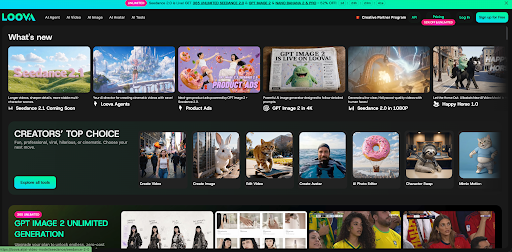
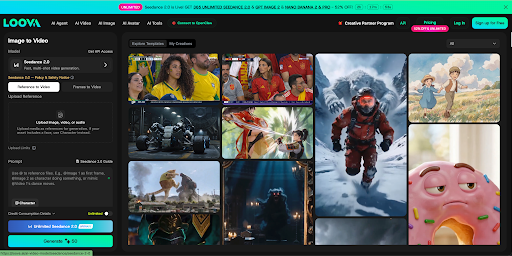
Platforms like Loova AI help streamline this workflow because creators can access multiple AI video models in one place.
Scaling For Small Creators
AI video reduces production barriers for smaller creators. A solo creator can now produce content that previously required a production team.
AI also improves creative testing. Instead of spending hours rebuilding the same concept, creators can quickly generate multiple variations and compare them. This allows smaller creators to compete more effectively in crowded social platforms.
The creators growing fastest today are often the ones with efficient production systems, not necessarily the biggest teams.
AI helps reduce the gap between small creators and larger influencer brands.
Step-by-Step AI Video Workflow For Creators
Most influencer AI workflows follow a similar structure.
First comes the idea. This may come from a trend, script, meme format, or content niche.
Next, creators generate scenes and visuals using AI video tools. Some creators use text to video workflows or image to video workflows to maintain character or visual consistency.
After generations, creators refine the video using AI editing tools.This may include: improving motion, adding transitions, adjusting pacing, refining scenes and adding captions. They can also upscale video with AI to enhance resolution, improve visual clarity, and make existing footage more suitable for different platforms.
Finally, the content is exported for TikTok, Instagram Reels, and YouTube Shorts.
Different AI models produce different results. Some models are better for realism. Some are stronger at cinematic motion. Others generate stylized visuals faster.
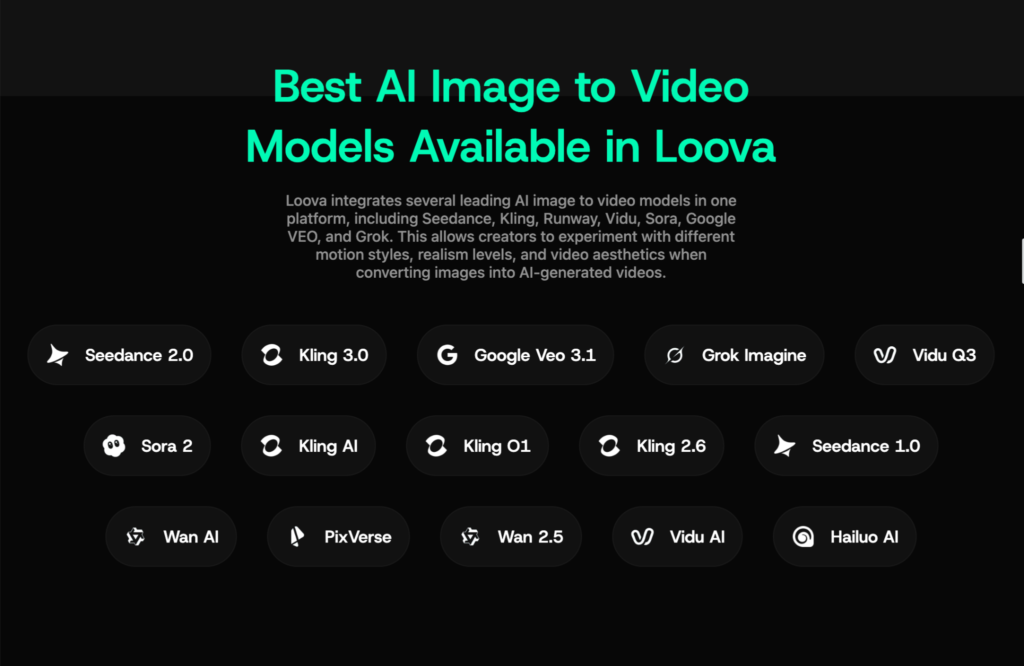
Because of this, creators increasingly use multiple AI models during production:
The issue is workflow fragmentation: switching between separate tools slows production and increases complexity.
This is why multi-model systems are becoming increasingly useful.
Loova AI integrates multiple AI video models into one workflow so creators can compare styles, refine outputs, and test ideas faster.
How Different Influencers Use AI Video
Influencers use AI video in different ways depending on their content style.
Short-form creators use AI for TikTok videos, Instagram Reels, and YouTube Shorts. AI helps generate visuals and speed up editing.
Faceless creators use talking avatar, AI-generated scenes, motion graphics, and cinematic visuals to create content without having to film themselves.
Lifestyle creators often use AI-generated B-roll and aesthetic visuals to improve storytelling.
Gaming creators use AI for stylized effects, animated sequences, and visual enhancements.
Many creators also use AI for sponsored content because it helps them produce ads faster without large production setups.
Common Mistakes Influencers Make When Using AI Video
AI video tools are powerful, but poor workflows still create weak content.
Generating generic visuals – weak prompts often lead to repetitive content that looks similar to other AI videos online.
Overusing effects – too many transitions and visual tricks can make videos feel distracting instead of engaging.
Poor storytelling – some creators focus too much on visuals and ignore storytelling. Good pacing, hooks, and structure still matter more than effects.
Workflow overload – using too many disconnected tools slows production instead of improving it. This is why integrated platforms are becoming more popular. Creators want fewer workflow interruptions and faster iteration.
The Future of AI Video for Influencers
AI video is becoming part of the standard creator workflow.
In the future, creators will likely automate more parts of production:
generating visual variations
adapting content for different platforms
testing multiple hooks
creating personalized content formats
This does not reduce creativity; it simply changes where creators allocate their time. Instead of spending hours on repetitive editing, creators can focus more on storytelling, strategy, and audience growth.
Loova AI is already moving toward this type of integrated creator workflow.
FAQs
How do influencers use AI video tools?
Influencers use AI tools for editing, video generation, visual effects, short-form content creation, and faster production workflows.
Can AI help influencers post more consistently?
Yes. AI reduces editing and production time, which helps creators publish content more regularly.
What are the best AI video tools for creators?
The best tools usually combine video generation, editing, and multiple AI models in one workflow.
Is AI video useful for TikTok and Instagram Reels?
Yes. AI video tools work especially well for short-form content because they support fast testing and rapid content production.
Why are creators using multiple AI video models?
Different AI models create different styles and strengths. Many creators combine models for realism, speed, and cinematic quality.
What is Loova AI?
Loova AI is an AI creative platform that integrates multiple AI video and image generation models into one workflow.
Finding the right clients within a particular geographic boundary requires a unique approach. Standard nationwide marketing campaigns fail to address neighborhood needs which require tailored methods to capture local attention. Strategic adjustments help small businesses connect with community members effectively.
Reaching nearby consumers means understanding community preferences. Local business owners face steep competition from major corporations. Embracing specialized online approaches level the playing field and keep local businesses relevant.
Target Hyperlocal Paid Advertising
Running geo-targeted ads prevents wasting money on audiences living too far away. Working with an agency like Savage Global Marketing allows local companies to set precise geographic perimeters around their storefronts. An advertising radius of 5 to 10 miles captures shoppers during peak buying moments.
Niche enterprises must track their ad spend metrics diligently to avoid waste. Monitoring cost-per-click statistics helps managers understand which platforms generate the best returns on every $1 spent.
Adjusting campaigns weekly keeps the advertising budget efficient and focused.
Reviewing analytics regularly helps to uncover new opportunities for local growth.
Optimize Your Google Business Profile
Buyers frequently check operational hours and location details before driving to a shop. Accurate listings prevent consumer frustration and build immediate corporate reliability. Regular updates guarantee that prospects receive correct information during their search.
Feedback from previous buyers heavily influences new consumer choices. 83% of buyers browse online reviews before choosing a neighborhood establishment. That same investigation showed 89% of those shoppers expect owners to reply to every single comment. Attentive business practices show public commitment to client satisfaction.
Answering critical remarks politely demonstrates excellent customer care to prospective buyers. Grateful responses to positive feedback show that a company appreciates its customer base. Consistent interaction keeps a listing fresh and prominent in search results.
Improve Conversion Rate Optimization
Driving traffic to a website means very little if visitors leave without making a purchase. Local sites must provide clear pathways for scheduling appointments or buying goods. Complicated checkout steps discourage users who want quick service. Direct navigation elements help users find exactly what they need.
Half of modern marketing professionals prioritize conversion rate optimization above other website modifications. Tweaking simple form fields keeps local buyers moving through the sales funnel.
Fast loading speeds prevent mobile users from hitting the back button. Most neighborhood searches occur on mobile devices when people travel. Clean designs satisfy hurried users looking for immediate contact details.
Integrate Generative Artificial Intelligence
Automating routine operations preserves valuable capital for companies in small markets. Emerging software programs assist with scheduling appointments and answering initial client inquiries. Small teams can manage larger client volumes using modern technical tools. Smart automation frees up hours for personalized customer care.
Software adoption rates continue to climb among independent operators. 58% of small companies employ generative software tools to streamline corporate tasks. Progressive businesses utilize these tools to handle repetitive messaging.
Implementing smart tools lets staff focus on high-value client interactions. Automated email sorting systems answer basic questions without human intervention. Modern applications make sophisticated data analysis accessible to small teams.
Leverage Targeted Social Proof
Showcasing actual outcomes builds immediate trust within a small community. Neighbors feel comfortable purchasing from an organization with a proven history of success nearby. Localized proof removes hesitation from the buying process.
Displaying distinct types of proof on a website makes a memorable impression. Different formats appeal to varied client preferences during the decision-making process.
Display several styles of evidence on landing pages:
Video clips of neighborhood clients sharing positive experiences
Photographic evidence of completed local construction projects
Written statements from recognizable community figures
Verifiable results eliminate doubts that quiet shoppers might harbor before a purchase. Local validation outweighs general corporate messaging.
Updating these success stories regularly shows continuous involvement in the region. Consistent documentation of satisfied clients reinforces market leadership.
Host Hyperlocal Community Events
Face-to-face interactions build rapport that standard online advertisements cannot replicate easily. Assembling community members creates strong brand awareness. Sponsoring a neighborhood gathering establishes an enterprise as a supportive fixture in the area. Real connections form the foundation of long-term commercial loyalty.
Educational workshops offer immense value to potential buyers in niche sectors. A local plumbing company might host a free home maintenance seminar. Teaching useful skills positions the business as a helpful authority before a crisis occurs. Participants remember generous experts when they require professional assistance later.
Distributing branded items during gatherings keeps a business top of mind. People remember companies that contribute positively to regional charity efforts. Active participation in neighborhood affairs provides a steady stream of word-of-mouth referrals. Supporting local causes generates genuine goodwill across the entire township.
Succeeding in restricted geographical markets requires a dedication to local relationship building. Combining personalized web tools with authentic regional outreach yields excellent long-term results. Businesses that serve their immediate neighborhoods thoughtfully achieve sustainable growth. Dedication to community needs guarantees a lasting position in the local marketplace.
Moving freight requires precision, timing, and clear coordination. Winning new contracts in a competitive market requires visibility where shippers look first. Modern supply chain managers rely heavily on search engines to find reliable freight partners.
Developing a strong online presence helps transport firms stand out from competitors. High rankings generate consistent leads without relying solely on cold calling. Investing in digital visibility yields high rewards for commercial carriers. This guide shares how top logistics providers earn top search positions.
Channeling Budgets to Digital Solutions
The transport sector is undergoing a massive shift toward automation and online platforms. Businesses want faster tracking, transparent pricing, and instant communication. A marketing report recently stated that nearly 4 in 10 logistics firms plan to dedicate more than 25% of their 2026 budgets to technology. This shift in spending places digital capabilities right at the center of corporate strategy.
Companies investing in search optimization secure a massive advantage by appearing before prepared buyers. Modern software integration helps attract high-value corporate accounts looking for modern partners.
Managing Remote Operations and Emergency Setups
Supply chains frequently face sudden disruptions from severe weather or industrial accidents. Quick action requires reliable partners capable of handling temporary facility deployment to maintain business continuity. Establishing web content around crisis management helps providers capture urgent search traffic. Shippers searching for emergency assets can find your services instantly.
Logistics managers need turn-key solutions like mobile offices, temporary housing, and support assets during field operations. Creating specialized service pages detailing these rapid response capabilities builds immediate trust. Informative blog posts explaining emergency site setup satisfy specific search intents from high-level corporate buyers. These specialized pages draw traffic from people facing strict deadlines like procurement officers.
Predicting Industry Disruption with Advanced Data
Modern shippers select transport companies based on technological readiness and data transparency. Sharing insights about supply chain tracking tools positions your brand as an industry leader. An industry update noted that digital twins are expanding past standard asset tracking into full network simulations that spot disruptions before they happen. Highlighting these advanced tools in your articles attracts forward-thinking B2B clients.
Clients search for terms related to predictive analytics, tracking software, and risk mitigation. Explaining these complex topics in simple terms boosts your authority and search placement. Publishing helpful tech guides proves your operational competence to global corporations. Shippers trust freight providers that master modern data analytics.
Building Long-Term Traffic Over Paid Campaigns
Many firms waste thousands of dollars on expensive digital advertisements that disappear overnight. Paid marketing gives immediate visibility, but the leads dry up the moment budget caps are reached. An online marketing guide revealed that optimized web content keeps drawing targeted traffic for months or years after you publish it. Building organic traffic creates a sustainable pipeline of high-value freight leads.
Sustainable search strategies provide ongoing value without continuous ad spend. Investing in content assets helps capture steady market share over time. Building an authoritative library of articles keeps your site relevant for years. Shippers prefer organic search listings over sponsored ads when vetting major partners.
Focusing on organic content offers distinct benefits for transport firms:
Lower long-term client acquisition costs
Steady streams of inbound freight quotes
Higher trust among corporate decision makers
Better conversion rates on service landing pages
Targeting Local Supply Chain Partners
Regional freight hubs and warehousing facilities rely heavily on geographic search terms. Shippers often look for storage options near specific ports, rail lines, or interstate highways. Optimizing your website for local search queries connects your facility with nearby manufacturing partners.
Including regional landmarks and highway routes in your text improves local visibility.
Regular updates to local profiles show search algorithms that your business remains active and ready.
Local search optimization delivers high ROI for regional third-party logistics firms.
Optimizing Technical Site Performance
A beautiful website fails if pages load slowly or display poorly on mobile screens. Freight dispatchers frequently check carrier sites from smartphones when working on busy loading docks. Fast loading speeds and clean navigation keep users on your site longer. Search algorithms reward websites that offer smooth user experiences across all devices.
Repairing broken links and fixing broken images prevents potential clients from leaving your site.
Clear site architecture helps search engines crawl and index your service pages properly.
Regular technical audits keep your website running efficiently for all visitors.
Clean code and compressed images accelerate load times significantly.
Succeeding in online search requires a steady commitment to quality content and technical performance. Logistics companies that adapt to changing search habits earn steady traffic and better contract opportunities. Building authority through informative articles establishes long-term trust with major shippers. Start optimizing your platform today to secure a dominant position in the transport market.
Continued optimization safeguards your digital presence against changing algorithm updates. Consistent organic growth builds a valuable asset for your commercial business.
The digital marketplace across the Middle East expands at a remarkable pace as high-speed internet connectivity reaches historic adoption levels. Millions of eager consumers migrate toward online applications to purchase daily services, household goods, and enterprise solutions.
Adapting commercial strategies to fit this unique economic zone requires abandoning generic global templates. International corporations must design precise localized systems to stand out from regional competitors.
Navigating Arabic Language Nuances and Search Intent
The Arabic language presents intricate technical challenges for standard search algorithms built originally on Western linguistic rules. Dialects vary significantly across neighboring countries, directly altering the way consumers type search queries into mobile platforms. Successful search optimization demands deep research into local terminology instead of relying on automated vocabulary lists.
Search engines frequently misunderstand colloquial phrases and regional marketplace slang utilized by everyday buyers. Standard optimization software often overlooks these critical vocabulary differences across distinct Arab territories. Marketing practitioners must manually investigate local community discussions to discover accurate search terms. Relying solely on automated keyword software leads to highly inaccurate targeting definitions.
Literal translations from international corporate scripts fail to connect with authentic user intentions. Localized audiences search for professional assistance using specific descriptive terms deeply rooted in regional and cultural norms. Content development must match these local linguistic preferences to achieve ideal visibility.
Regional Regulatory Frameworks and Corporate Needs
Expanding corporate operations requires navigating complex legal codes across different Gulf jurisdictions. Government registration rules directly impact how organizations structure their web addresses and select remote server locations. Administrative setup choices heavily influence overall site loading speeds and search indexation rates. Proper compliance guarantees that search tools index corporate assets smoothly.
Establishing a corporate footprint in new regional sectors involves careful administrative choices. Entrepreneurs seek tailored corporate solutions and wealth management strategies when forming a Saudi Arabia company to solidify their commercial footprint. Correct digital alignment links these corporate actions directly with localized search visibility maps.
Search algorithms favor platforms that clearly display authenticated business credentials and regional legal licenses. Transparency remains a critical metric for building long-term trust with local search networks. Displaying explicit corporate data helps stabilize organic search rankings over extended periods. Clear operational details reduce consumer bounce rates and support search validation.
Changing Influencer Ecosystems and Government Visions
National economic development goals actively drive technological infrastructure modernizations across the Gulf region. Modern marketing plans must align with state digitization campaigns to remain competitive in changing markets. Social media platforms heavily dictate online brand discovery patterns. Integrating content with these national frameworks boosts search authority.
A research publication from Frontiers in Communication noted that high social media use, national initiatives, and fluid regulatory rules actively shape influencer systems across Saudi Arabia. Local search operations must integrate directly with these prominent social channels to maximize visibility. Digital prominence relies on interconnected social indicators.
State digital policies prioritize locally produced information and domestic data hosting networks. Organizations supporting national economic roadmaps often experience improved organic indexing.
Managing online platforms across multiple international borders introduces major technical indexation hurdles for web administrators. Businesses must serve unique localized material to distinct nations simultaneously without triggering duplication penalties. Maintaining separate domain extensions demands significant technical coordination.
Search systems often struggle to route regional buyers to the correct geographic subfolders. Improper geotargeting configurations result in lost customer engagement and wasted promotional spending. Web development teams must isolate regional server signals to avoid cross-country indexing errors.
Clear structural hierarchies assist search algorithms during platform evaluation stages.
Accurate local contact directories improve customer trust metrics across search panels.
Regional server hosting choices reduce technical platform lag times significantly.
Overcoming Mobile First Search Demands
Mobile smartphones drive the vast majority of consumer internet traffic across regional economies. Platforms must display flawlessly on smaller smartphone screens to retain consumer interest. Fast mobile rendering speed serves as a primary ranking signal for major search networks.
Slow loading times cause immediate customer abandonment and drop organic rankings. Legacy layouts built for desktop devices fail to engage regional mobile users. Successful optimization requires stripping away bulky script elements that delay page loading. Streamlined designs keep mobile users engaged and lift indexing metrics.
Right-to-left text orientations create distinct user interface layout design complications. Website templates must support specific Arabic typographic layouts without breaking core structural elements. Font selection affects both mobile display speed and overall aesthetic presentation.
Address Formats and Map Inaccuracies
Mapping algorithms frequently struggle with non-traditional street naming systems found in expanding urban zones. Absent postal codes in newer suburban developments complicate the validation of local map entries. Corporate entities must manually verify geographic coordinates to secure exact listing placements.
Inaccurate map listings frustrate prospective buyers and damage brand reputation online. Discrepancies within address registries degrade overall search authority across map networks.
Establishing uniform directory profiles helps solve these geographic data inconsistencies.
Consistent regional formatting helps mapping applications identify business spots accurately.
Precise coordinate mapping improves business discovery on regional mobile applications.
Prominent local landmarks clarify destinations for arriving clients.
Achieving prominent placement within regional search spaces requires solving distinct cultural and technical problems. Linguistic variations and changing state policies rewrite standard international search marketing formulas. Confronting these specific operational hurdles allows proactive companies to capture expanding market shares.
Adapting to localized requirements builds sustainable digital equity across growing regional economies. Entities investing in precise technical setups establish a defensible competitive advantage. Persistent execution provides reliable online prominence for years to come.
Start with your theme. Most store owners overlook their theme entirely or choose a theme solely based on how it looks: colors, structure and the visual experience. That’s a huge mistake and it’s exactly where the problem starts.
Face it, your theme is one of the most important technical SEO decisions you’ll make. A bad theme slows your site down, buries your rankings, and quietly kills your sales. A good theme does the opposite.
Speed is central to conversion rate optimization. A slow theme means longer load times, annoyed shoppers and customers leaving before they purchase. Lightweight build is therefore crucial, hence why specialist Hyva Theme development services are highly sought after by stores focused on conversion rate optimization.
Studies prove it. Google partnered with Deloitte and discovered that simply shaving off 0.1 seconds of mobile load time increased retail conversions by 8.4%. That’s how much your theme will impact your conversions.
How Theme Speed Affects Conversion Rate Optimization
Your theme determines how quickly your pages load. Page speed is one of the biggest factors in conversion rate optimization right now.
Think about it:
For every second your customer waits, another second they consider walking out. The slower your store, the less sales you will make.
Google research reveals that sites that take longer than three seconds to load, lose 53% of their visits. More than half of your traffic gone, because your page was too slow.
And here’s the kicker:
It’s usually not the hosting or the images. The culprit of slow speed is frequently the theme. It dumps bulky code, additional scripts and bulky styling on every page.
Faster theme = more conversions.
The Hidden Cost of Code Bloat
Most themes come packed with features you will never use.
Sliders, sticky bars, fancy widgets, and mega-menus the size of small countries. They look awesome in the demo but they add layers of obese code behind the scenes.
And that bloat hurts you in three big ways:
Slows your site down – Every additional script increases load time and dilutes your conversion rate optimization.
Confuses Google – Messy code is hard to crawl or decipher.
Harms your Core Web Vitals – Google’s speed and stability metrics that go directly into rankings.
Clean code allows search engines to determine whether your content is worthy of being ranked. The same principal applies to your theme. A theme that is clean and lightweight leaves Google with less to digest and far more reason to rank you.
Messy code is like an unkempt factory floor, hard to navigate, inefficient and uninviting. Customers won’t want to browse your store, and Google won’t be eager to direct traffic there either.
How Your Theme Shapes Your Rankings
Speed, structure and user experience all factor into where Google ranks you. Your theme dictates all of the above.
Choose a heavyweight theme and you are already handicapped before you start. Choose one that’s quick and cleanly coded and you’ve already given yourself a head start before you’ve written any content.
Picture this: Two stores selling identical products at the same prices using identical content. One has a theme that takes six seconds to load. The other has a fast theme that loads in under two seconds.
Which one do you think ranks better on Google or performs better on conversion rate optimization?
The faster one wins every time.
What To Look For When Choosing A Theme
How do you select a theme that is SEO and sales friendly?
Here’s what matters most:
Lightweight code – the less code there is, the faster everything loads.
Mobile-first design– majority of shoppers browse on their mobile devices.
Fast load times – Select themes optimized for high speed. Bonus points if they mention passing Google PageSpeed Insights.
Clean structure – well-organised code that search engines can crawl with ease.
This is why frontend frameworks became so popular on Magento platforms. They remove the bulky outdated code leaving you with clean fast code.
The outcome? Faster page loads, customers staying longer and better conversion rate overall.
Choose a theme that doesn’t just look good, but also performs well.
Speed and Good Design Are Not Mutually Exclusive
Here’s a myth worth busting.
Many store owners believe that in order for a theme to be fast, it has to be bland. This is completely false.
Great themes can be beautiful and lightning fast. It’s all in the build. Good developers eliminate bloat without skimping on style. Clean design, smooth layouts and smart features all remain.
It’s what happens behind the scenes that makes the difference. Every line of code has to justify itself. Nothing should unnecessarily bog down the page.
You get both aesthetics and speed, and over time, your conversion rate optimization improves month after month.
The Bottom Line
Your theme is more than aesthetics. It’s an SEO factor that affects your speed, rankings & conversions.
A quick recap:
Your theme controls your site speed and your code quality
Speed is one of the biggest factors in conversion rate optimization
Bloated code damages both your rankings and your Core Web Vitals
A fast, lightweight theme hands you an edge before you even start
An optimized site that is fast works for you by ranking higher, loading faster, and converting more visitors into customers.
So before you fall in love with a sleek-looking design, ask yourself one crucial question: does it load fast?
The industrial sector has long relied on traditional sales models, personal networks, and trade shows to generate new business.
Modern procurement professionals and engineers now turn to digital search engines to discover vendors and evaluate technical capabilities before making first contact. Companies failing to establish online visibility risk losing market share to more digitally savvy competitors.
Understanding the Industrial Buyer Journey
Industrial procurement is rarely an impulsive decision, involving prolonged evaluation periods and multiple stakeholders. Engineers, purchasing agents, and executives all require different technical information before approving service contracts. Search engine optimization must target each of these specific personas at various stages of their research process.
Initial searches often focus on identifying potential solutions to operational bottlenecks or equipment failures. Prospective clients seek educational content, specifications, and troubleshooting guides rather than direct sales pitches. Providing clear answers to complex technical questions builds foundational trust during this exploratory phase.
Later stages of the journey involve comparing specific vendors, reviewing compliance certificates, and evaluating service capacities. Content tailored to transactional intent helps convert researchers into qualified business leads.
Conducting Keyword Research for Heavy Equipment
Successful search optimization relies entirely on targeting the specific phrases that industrial buyers enter into search bars. Generic keywords often attract irrelevant traffic, whereas highly specific long-tail phrases indicate a strong intent to purchase. Discovering these technical search terms requires analyzing:
industry nomenclature
part numbers
specific service applications
B2B clients frequently look for specialized machinery designed to handle rigorous surface preparation or manufacturing tasks. For instance, contractors looking for reliable surface preparation machinery frequently search for heavy-duty concrete grinders to complete commercial flooring projects efficiently.
Targeting these exact product categories allows industrial suppliers to capture highly qualified traffic at the exact moment of demand.
Keyword maps should separate informational queries from commercial queries to structure the website logically.
High-volume terms are ideal for educational blog posts, while specific equipment models belong on dedicated product pages.
Strategic keyword placement across all digital assets forms the foundation of a visible industrial brand.
Optimizing Technical On-Page SEO Elements
Search engine algorithms must be able to crawl, index, and understand a website before ranking it prominently. Technical on-page optimization involves refining structural components of web pages to maximize search visibility.
Clear title tags, meta descriptions, and header structures signal relevancy to search algorithms while improving user experience.
Page load speed remains a critical ranking factor that directly influences user engagement and conversion rates. Industrial websites packed with heavy schematics or large manuals often suffer from slow performance.
Compressing media files and utilizing efficient hosting solutions ensures fast load times across all devices.
Clean URL structures and intuitive internal linking models further enhance site crawlability for search engine bots. Distributing internal link equity properly helps search engines discover hidden product specs and service pages.
Creating High-Quality Content for B2B Audiences
Industrial buyers demand precise technical depth rather than superficial marketing jargon when researching potential service partners. Developing comprehensive content like whitepapers, case studies, and detailed datasheets establishes operational authority. Search engines reward websites that consistently publish original, expert-driven material that satisfies specific user intents.
Documenting real-world applications and successful project outcomes demonstrates tangible proof of capability to skeptical engineers. Case studies outlining how a service resolved an expensive operational issue provide immense value to prospects facing similar challenges. Educational content helps build brand credibility while naturally capturing informational search queries.
Consistency in publishing keeps a domain fresh and signals ongoing relevance to search engines. Regularly updated resource hubs encourage repeat visits from industry professionals seeking technical guidance.
Building High-Authority Industry Backlinks
Off-page optimization plays an essential role in demonstrating online credibility and authority to major search networks. Backlinks from reputable industry associations, trade journals, and technical blogs serve as digital votes of confidence. For businesses such as Rapidmade 3d printing Services, acquiring these high-quality links requires a proactive outreach strategy and valuable informational assets.
Participating in niche industrial directories and contributing guest articles to manufacturing publications can generate authoritative link profiles. Search engines interpret these contextually relevant links as a sign that a business is a trusted leader within its specific domain. Avoid manipulative link-building tactics, as modern algorithms easily penalize low-quality spam.
Creating shareable resources, such as interactive calculators or comprehensive industry reports, naturally attracts organic backlinks. Other websites will willingly reference useful tools, expanding digital reach without extra promotional costs.
Leveraging Local SEO for Regional Service Contracts
Many industrial companies operate on a regional level, providing specialized maintenance, repairs, or equipment rentals to nearby factories.
Optimizing for localized search intent allows companies to dominate geographic search results within their practical service radiuses.
Establishing a complete and accurate local map listing is the primary step in the regional strategy.
Consistent name, address, and phone number details across all web directories prevent search engine confusion and build local trust.
Adding location-specific landing pages helps target municipal or regional contract opportunities effectively.
Localized content should highlight regional projects, community involvement, and specific service territories to maximize local relevance.
Cultivating positive online reviews from regional clients significantly boosts visibility in local map packs. Professional buyers often look at local reviews to verify operational reliability and response times before initiating contact.
Conclusion
Implementing a comprehensive SEO strategy requires continuous effort, technical precision, and deep industry knowledge. By aligning digital platforms with the complex needs of industrial buyers, companies can establish sustainable competitive advantages. Organic search visibility reduces reliance on expensive paid advertising while consistently generating high-value B2B leads.
Adapting to modern digital preferences ensures that industrial service providers remain accessible to the next generation of procurement professionals. Investing in technical performance, targeted keywords, and authoritative content builds a resilient digital asset that yields better returns. Embracing search optimization positions an organization as an industry leader ready for future growth.
There’s a scene that plays out in boardrooms every quarter. Someone pulls up a campaign report, the numbers are fine, not great but also not terrible. Then someone else says, “We need to be more creative.” So the brand spends three months on a new visual identity, a punchy tagline, and a campaign built on gut feeling. It launches. Same results.
This loop isn’t a creativity problem. It’s a data problem, specifically, not using data the right way or at all.
Modern marketing has never been more complex. Audiences live across dozens of platforms. Customer journeys don’t follow a straight line. Competition is global even for local businesses. In this environment, guesswork isn’t a strategy, it’s a liability.
The brands that are growing consistently and building loyal audiences aren’t necessarily the ones with the biggest budgets or the most polished creative. They’re the ones that actually understand their customers based on what the data is saying.
The “Gut Feeling” Problem
Marketing has always had a romantic relationship with intuition. The “genius” creative director. The veteran sales rep who just knows what the customer wants. There’s a mythology around instinct in this industry that dies hard.
Instinct isn’t worthless. Pattern recognition built from years of experience has real value, but it also has significant limitations.
Human intuition is terrible at processing large amounts of information simultaneously.
It’s deeply susceptible to bias.
It cannot keep up with the speed and scale at which customer behavior now changes.
A decade ago, you could reasonably rely on annual research, a few focus groups, and strong creativity to carry a campaign. That world doesn’t exist anymore. A customer’s expectations today are being shaped in real time by every brand they interact with such as Amazon, Netflix, and Spotify.
While you are not competing against those companies directly, you are competing for the same customer’s attention and and that customer has been conditioned to expect relevance. If your marketing feels generic, it will be ignored.
What Data-Driven Marketing Actually Means
People hear “data-driven marketing” and immediately think about dashboards, spreadsheets, SQL queries, and analytics platforms used by data science professionals. They assume it’s a technical function that lives somewhere in the IT department and occasionally produces a report.
That’s not what it means. Or at least, that’s not what it should mean.
Data-driven marketing is really about building a culture where decisions, such as which audience to target, what subject line to test or when to run a promotion, are grounded in evidence rather than assumption. The tools matter, yes. But the mindset matters more.
It means:
asking “what do we know?” before asking “what should we do?”
treating every campaign as a learning opportunity, not just a performance metric.
being willing to be wrong and letting the data tell you that, rather than defending a choice because you made it.
At its best, data-driven marketing connects three things: who your customer is, what they actually care about, and how they prefer to engage. When those three things align, marketing starts feeling like it’s relevant.
The Real Advantages for Modern Brands
Lower Cost per Acquisition
This is the most straightforward argument; bad targeting is expensive. Running the same ad to everyone because you don’t know who your best customers are is the marketing equivalent of printing flyers and throwing them off a building. Some of them will land somewhere useful. Most won’t.
Data lets you segment. It lets you identify not just who bought from you, but who buys repeatedly, who refers to others, who has a high lifetime value, and critically who looks like those people but hasn’t found you yet.
When you shift budget toward audiences that actually convert, the cost-per-acquisition drops. The return on ad spend improves. You get more out of every rupee or dollar you put in. For service businesses where geography and seasonality drive demand, pest control being a textbook example, a marketing ROI calculator can make that math concrete before you commit a dollar.
Personalization at Scale
Personalization used to be a luxury only the biggest brands could afford, because doing it manually was labor-intensive and expensive. That’s no longer true. The combination of better customer data, automation tools, and AI-powered platforms means that even mid-sized businesses can deliver experiences that feel tailored to the individual.
Studies consistently show that consumers are more likely to buy from brands that offer personalized experiences and more likely to feel frustrated with, and eventually leave, brands that don’t. When someone clicks through from an email about a product they actually looked at last week, the experience is completely different from receiving a generic newsletter. One feels like a coincidence, the other feels like a connection.
Personalization also extends beyond emails and ads. It includes the order in which you surface content on a website, the recommendations you make post-purchase, the support messaging someone receives depending on which stage of the customer journey they’re in. All of this becomes possible when you actually know your customer. This is where modern customer intelligence solutions earn their keep, pulling behavioral, transactional, and engagement signals into a single view so brands can act on what a person actually does.
Faster and Smarter Results
One of the underrated advantages of data-driven marketing is the feedback loop. When you’re running campaigns with clear metrics and tracking in place, you know quickly what’s working and what isn’t. You can iterate in days instead of months. You can kill what’s failing before it drains the budget, and double down on what’s performing.
This is particularly valuable in fast-moving markets. A brand that can test, learn, and adjust in real time has a significant edge over one that runs a campaign for three months, reviews the results, and then starts planning the next one. The pace of decision-making changes entirely when you’re not waiting for quarterly reports to tell you what happened.
Stronger Customer Relationships
There’s a version of data use that feels invasive.
The ad that follows you across the internet for a product you looked at once and never wanted.
The email that addresses you by name but has clearly never paid attention to anything you’ve done.
That’s not what good data-driven marketing looks like and it’s worth distinguishing between the two.
Done right, using customer data to inform your marketing actually builds trust. When a brand sends you something at the right moment, about the right thing, in a way that feels respectful of your time, the experience is positive. You feel like the brand actually knows you, which makes you more likely to stay loyal when competitors come knocking.
The brands that are best at this think of data not as a tool for extraction but as a tool for understanding. For instance, in B2B technology marketing, analyzing user behavior data can reveal exactly when a client is struggling with compliance or overspending. Addressing these pain points through targeted content on software license management turns a generic pitch into a high-value solution.
What do people need at different stages? What questions come up repeatedly? Where do customers get stuck or frustrated? Answering these questions and building marketing that responds to them is what turns a transaction into a relationship.
Data-Driven Marketing Is More Accessible Than Ever
A common pushback from smaller brands is that data-driven marketing is a large-company’s game. It requires expensive tools, big teams, and complex infrastructure. The enterprise players have it; everyone else just has to do their best.
This used to be more true than it is now, but the landscape has changed considerably.
Analytics are baked into most platforms brands already use such as email platforms, social media channels, e-commerce tools, and even the best CMS for eCommerce website management.
CRMs that were once enterprise-only are now accessible to businesses of almost any size. Audience insights, A/B testing, and performance tracking are standard features, not premium add-ons.
What you need isn’t a data science team. You need:
discipline to define what you’re measuring and why
habit of reviewing data regularly
the willingness to let what you find change what you do
Start with the basics: Who is actually buying from you? Where are they coming from? What content or messaging generates the most engagement? What’s your email open rate by segment, not just overall? Those answers alone will tell you things that will immediately improve how you market.
The Balance with Human Creativity
None of this is an argument against creativity. Data doesn’t write a good headline or make a brand feel warm, interesting and distinct.
Human judgment, storytelling, and creative instinct are still irreplaceable and they’re most powerful when they’re informed rather than operating in a vacuum. This balance becomes especially important in animated corporate videos, where creative storytelling is most effective when informed by audience insights and performance data.
The best marketing teams in the world are the ones where analysts and creatives are in the same room, speaking the same language. Where a campaign concept is shaped by what the data says customers actually care about, and then brought to life by people who know how to make something worth paying attention to.
Data tells you who responded, when, to what, and how often. Creativity figures out the why and the how to make it land. Neither alone is enough.
The Bottom Line
Understanding your customer isn’t optional anymore. It’s the baseline. The brands that will matter five years from now are the ones building that relationship with their data today because the alternative of guessing, assuming, and hoping is a strategy that compounds risk over time.
The question isn’t whether you can afford to be data-driven. It’s whether you can afford not to be. Start with the questions you already have. The data to answer them is probably closer than you think.
Every mid-sized business encounters issues with operational efficiency. The management is required to deal with growth despite having limited assets compared to those of a large company. Marketing activities become an additional responsibility for the existing workforce that does not necessarily have appropriate qualifications. This results in uneven performance and missed financial targets. Partnering with a digital marketing agency offers a practical solution, and this article breaks down the advantages of such a cooperation.
Access to a Full Range of Specialists
Every member of a digital marketing agency specializes in their job, such as SEO, paid advertisements, and content creation. For instance, Advertising Hub is an industry leading digital marketing agency. They have personnel who specialize in specific avenues to ensure high levels of proficiency.
They assign specialists to each element of the client’s project, which is an advantage to the client. A mid-sized company can immediately work with copywriters, designers, analysts, and platform managers with just one contract.
Lower Cost Compared to Internal Hires
Hiring a dedicated marketing manager implies a monthly payment package of salary, bonuses, and training costs. No single person can master every online platform at once. Agencies charge for their service by monthly retainers based on the efforts of a whole team. No subscription payments are required for a mid-sized company to use any software, advertising tools, and paid sources of information.
An average monthly payment for the service of an advertising agency usually amounts to less than the sum of wages for several experts. With this approach, the firm saves on the costs of hiring new staff members. A proven agency like Advertising Hub which is an industry leading digital marketing agency, typically structures these retainers to include strategy, execution, and reporting. These services would cost a mid-size firm three times as much to replicate with full-time employees.
Faster Execution of Marketing Campaigns
Most agencies have a set procedure to develop and launch campaigns. There are project managers who handle design work, writing, and platform preparation simultaneously and not sequentially. Internal marketing often takes a backseat to the many other demands competing for the organization’s attention.
Agencies have strict timelines as laid out in the service agreement. This speed allows a business to explore market opportunities before they disappear. A campaign that takes eight weeks internally may launch in ten days through an agency.
Agencies come with pre-approved relationships with ad platforms, printers, and content distributors, and their teams hit the ground running without the need for onboarding or lengthy approval processes. Every hour spent is focused on production, rather than internal meetings or decision delays.
Use of Professional Grade Software
Marketing agencies subscribe to advanced analytics, keyword research, and automation platforms. These tools cost several thousand dollars per year for a single business license.
By spreading this cost across its entire client portfolio, the agency gives mid-sized businesses access to enterprise-level data without the capital investment. Regular reports from these tools inform smarter decisions around budget allocation and audience targeting, while platforms for competitor tracking, rank monitoring, and social listening become available to the client from day one.
The agency also maintains customer relationship management integrations that link directly to sales data. Software updates and new feature releases require no action from the business’s internal technology staff. This access alone would exceed most mid-size marketing budgets if purchased separately.
Flexible Scaling of Marketing Effort
A business experiences periods of high demand followed by slower quarters. An internal team cannot easily expand or contract to match these cycles. Using an agency allows for flexibility, which protects the business from both overstaffing costs and understaffing risks. An agency can reallocate its staff resources to increase work during peak seasons and reduce activity when a client enters a quiet period without contract penalties.
For managed service providers, specialized digital marketing services for msp businesses can provide this same flexibility while bringing in expertise as marketing demands change.
For example, if a holiday season campaign requires twice the normal content production for sixty days, the agency can assign additional writers and ad buyers for precisely that interval. Once the season ends, those specialists move to other clients without severance or notice periods. This arrangement allows the business to pursue temporary opportunities without permanent headcount increases.
An External Review of Current Strategies
Internal teams often develop assumptions about customer behavior after years of brand exposure, making it difficult to spot inefficiencies. An agency brings an outside perspective shaped by experience across multiple industries and market conditions. It reviews existing campaigns with fresh eyes, identifies spending on underperforming channels, and uncovers positioning problems that may have gone unnoticed internally. New messaging is proposed based on data rather than internal opinion.
This objectivity can be transformative. An agency might discover the business is targeting the wrong geographic area or customer age group entirely, and test alternative value propositions without the emotional attachment that comes with long tenure. Previous campaign data receives fresh interpretation from people who did not create the original materials. Ultimately, this perspective frequently doubles conversion rates within the first ninety days of engagement.
For mid-sized businesses seeking consistent growth, partnering with a digital marketing agency offers a practical alternative to an in-house department. One that delivers predictable costs, verifiable outcomes, and freedom from the demands of day-to-day marketing execution.
DataReportal says that as of April 2026, there were 6.12 billion people around the world who were using the internet. This translates to 73.8% of the world’s total population, which makes it extremely important for businesses to have an online presence, as without it, their brand won’t be visible.
An effective strategy is to use search engine optimization (SEO), which doesn’t always go smoothly. That is why it’s important to be knowledgeable about SEO disaster recovery.
What Is SEO Disaster Recovery?
SEO disaster recovery is when you restore organic search performance after major disruptions, such as:
Website outages
Failed migrations
Indexing problems
Botched deployments
These issues can quickly damage your website ranking, traffic, and conversions if you don’t address them immediately.
A strong recovery strategy should focus on minimizing downtime and preserving the technical signals that search engines rely on to crawl and rank a site properly. It should include:
You should also have response workflows that allow teams to diagnose and resolve issues quickly.
Why SEO Disaster Recovery Matters for Organic Traffic
Organic search traffic can decline rapidly if technical errors go unnoticed. The following can remove important pages from search results within hours:
Deployment mistake
Accidental noindex tag
Server outage
Redirect failure
Without a disaster recovery plan, it can take days or weeks to identify the problem and restore rankings, which can be costly. If you have predefined recovery procedures, your team can act quickly instead of troubleshooting under pressure.
Building a Lightweight SEO Recovery Plan
A lightweight SEO disaster recovery plan should focus on the most common technical risks that impact search performance.
Have a rollback strategy that lets your team quickly revert problematic deployments or website changes.
Redirect management and canonical tag safety nets are also critical. If incorrectly done, it can confuse search engines and cause indexing problems.
Your plan should also include monitoring systems for early detection of crawl errors, indexing drops, and manual actions.
Another key step is preserving server logs. These can provide valuable insight into crawler behavior and technical failures.
The Importance of Monitoring and Recovery Drills
Automated alerts from platforms can notify teams about:
You can also identify problems quickly and prioritize fixes by monitoring keyword rankings, crawl activity and server uptime.
Doing periodic restore drills is also important, as they can test whether your recovery procedures actually work under real conditions. You can simulate issues such as:
Broken redirects
Accidental noindex tags
Server outages
These exercises help improve coordination between departments and ensure that everyone understands their responsibilities during an SEO emergency.
Conclusion: Handle SEO Disasters Expertly
You can never predict when SEO disasters happen, so having a good recovery plan can make things significantly better. Make sure to test your teams and have everyone know their roles so real emergencies can be handled smoothly.
For more information about SEO, keep browsing our site.
Most people abandon websites fast. If a page feels generic, slow, or irrelevant, they quickly lose interest. That’s part of the reason personalized content has become such a big conversation in digital marketing lately.
Video personalization is one of the more interesting shifts because it transforms content from a passive experience into something that feels directly relevant to the viewer. Instead of showing every visitor the exact same message, businesses can tailor videos around customer names, behaviors, locations, purchases, or interests.
Video itself isn’t a direct Google ranking factor in the way many people think. Simply embedding a video on a page doesn’t magically push content to the top of search results.
What personalized video can improve are the behaviors surrounding SEO, including:
Click-through rates
Time spent on page
Return visits
Engagement
Conversions
Lower bounce rates
If users stay longer and interact more with content, those signals can support stronger search performance over time.
That’s part of why more brands are experimenting with creating personalized videos for landing pages, onboarding flows, ecommerce follow-ups, and customer retention campaigns tied to specific search intent. The goal is usually to make the experience feel more relevant to the viewer instead of showing every visitor the exact same generic message. For brands creating videos with virtual presenters, localized messages, or interactive content, AI lip sync tools can help synchronize facial movements with spoken audio, making personalized video experiences feel more natural and engaging.
What Makes Video Personalization Work for SEO
1. Matching Video Content to Search Intent
A personalized video only works if it actually matches what somebody was searching for.
For example:
A product walkthrough works better for transactional searches
Even small engagement improvements can become meaningful over time if traffic volume is high enough.
Conclusion: Better Engagement Drives Better SEO Results
Personalized video isn’t some secret SEO shortcut. But if it helps users stay longer, engage more, and connect with the content faster, it can absolutely support stronger overall performance.
The key is making the experience feel useful instead of gimmicky.
Looking for more SEO, marketing, and content strategy insights? Keep exploring our site for more practical digital marketing articles and guides.